
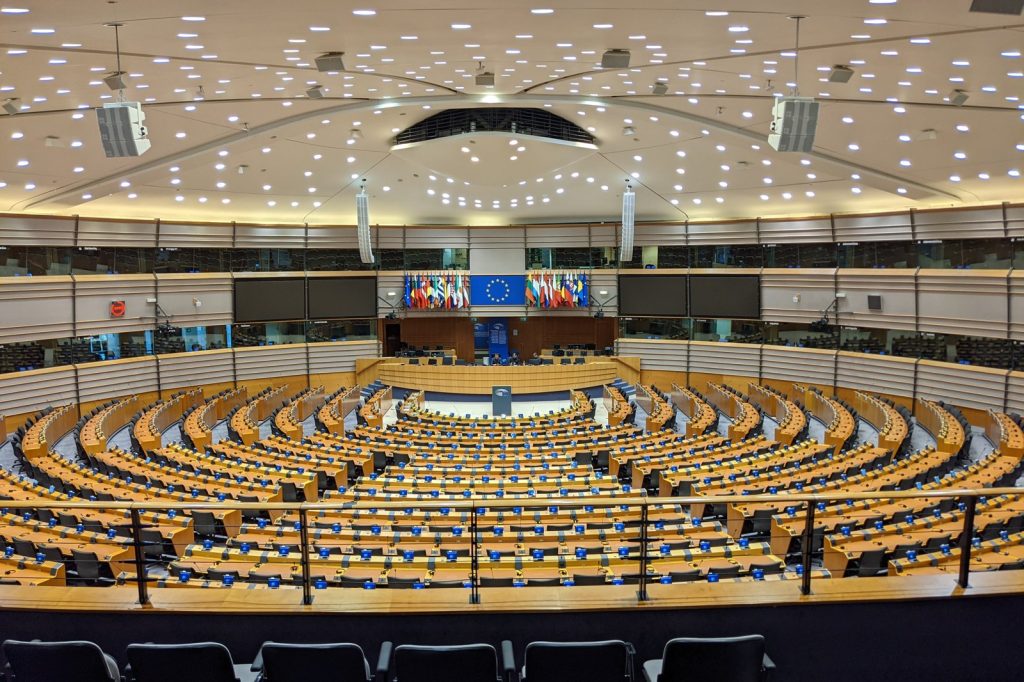
Forty-two votes in favor, sixteen against, none abstaining. With that tally on a Thursday, the European Parliament’s civil liberties panel — LIBE, in the Brussels shorthand, covering justice and home affairs — approved a waiver allowing 90-day visa-free stays for Omani, Qatari, Kuwaiti and Ecuadorian citizens, sending the draft toward the full house.
The December 2022 decision, reported by the Times of Oman, came with strings attached. Kuwait’s waiver was endorsed on condition of a moratorium on the death penalty, with committee members arguing that visa freedom should help the ties between Europe and the Gulf states develop — with a rights dialogue built into the bargain. Ecuador won praise for a consistent commitment to human rights, though members flagged prison conditions, women’s rights and the treatment of indigenous peoples and of refugees as unfinished business.
Committee chair Juan Fernando Lopez Aguilar, a Spanish Socialist who has sat in the Parliament since 2009, made the case in expansive terms. “I am a strong advocate for visa-waiver or visa exemption. Why? Because it favours exchange and favours mutual knowledge. It favours cooperation. It is also beneficial for EU citizens who are willing to travel abroad.” He noted the European Commission initiated the waiver for Kuwait and Qatar, later adding Oman and Ecuador.
He was candid about the Kuwaiti obstacle. “We have worked hard to pass the proposal which favours the enlargement of the visa waiver. It wasn’t easy. Let us say it clearly. Executions and death penalty in Kuwait have been a major blow to the process,” Lopez Aguilar said, according to Kuwait News Agency. “That is why there has been an amendment in Kuwait that it has to self-impose a moratorium on death penalties,” he explained.
The Same Room, A Different Fight
Visa lists are the quiet half of LIBE’s portfolio. Its other beat is the rule of law inside the Union, and the committee’s hearings can turn combative. In April 2018, Hungarian Foreign Minister Peter Szijjártó appeared before the same panel as it weighed a report by Dutch Green rapporteur Judith Sargentini describing a “systemic threat to democracy, the rule of law and fundamental rights in Hungary” — and the hearing turned personal. Addressing MEPs weeks after Fidesz won a two-thirds parliamentary majority, Szijjártó called the report “lies” and accused the chamber itself: “Within the walls of this respected building many tried to influence the outcome of the Hungarian parliamentary election,” he said, “The Hungarian people appear on the Hungarian election’s name rolls, while you don’t,” the minister added.
German Green MEP Jan Philipp Albrecht answered for the room: “one of the most disrespectful speeches I have ever heard in this room. You switched to propaganda mode, and you didn’t deal with any of the criticism.”
Both files followed the same institutional path: committee endorsement first, then the full plenary, then negotiations with the European Council. The visa regulation, once law, will be negotiated bilaterally with each third country — and members have already warned the waivers can be cancelled if the rights dialogues stall.
Sources
- European Parliament panel nod to visa-free travel for Omani citizens – Times of Oman
- Hungary picks a fight in Brussels – POLITICO




