
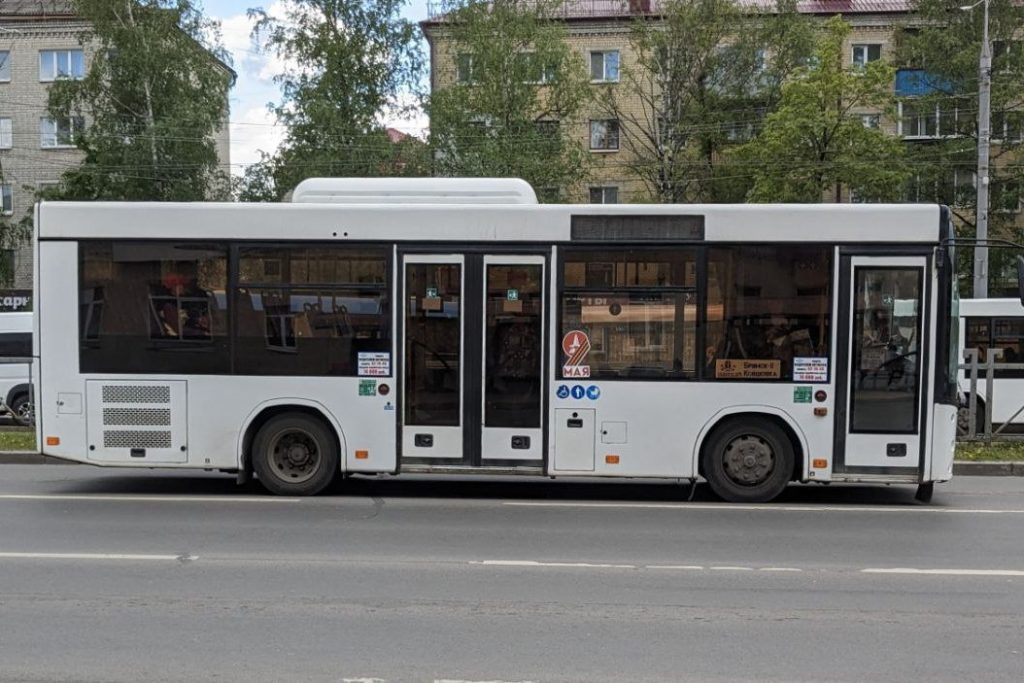
The bus was carrying a children’s football team from Belarus. It was hit in Russia’s Bryansk region. A woman died.
Several others, including children, were hurt. Russian authorities said a Ukrainian drone did it.
Ukraine says that is false. This happened on June 17. The claim came from Yegor Kovalchuk, the acting governor of Bryansk.
He said the woman killed was accompanying the children to Gelendzhik, a Russian resort on the Black Sea. Kovalchuk added that all passengers would be sent back to Belarus.
Ukraine’s military rejected the accusation outright. Its General Staff stated that its forces “did not employ unmanned aerial vehicles against targets in Bryansk” during the period Russian officials specified. The statement suggested Russia is resorting to “information manipulation.” The reason given: Russia’s inability to achieve its battlefield objectives and the significant losses it has suffered.
The Belarusian Foreign Ministry condemned the strike as a “terrorist act.” It urged Kyiv to provide detailed explanations. It also warned against traveling to areas of military conflict. Svyatlana Tsikhanouskaya, the exiled Belarusian opposition leader, expressed condolences.
She called for full clarity in an investigation into the alleged strike. This is not an isolated event.
It sits inside a broader pattern. Tensions between Ukraine and Russia have been escalating for months. The war grinds on.
Russia has repeatedly accused Ukraine of striking targets inside its territory. Ukraine has consistently denied targeting civilians.
Each side accuses the other of propaganda. What is different here is the involvement of Belarus. Belarus is a close ally of Russia.
It has allowed Russian forces to use its territory for the invasion of Ukraine. But Belarusian troops have not directly fought in the war. The Kremlin has kept Minsk at arm’s length from the front lines.
A strike on Belarusian children changes that dynamic. It pulls Belarus deeper into the narrative.
The children were on a bus heading to a resort. They were not soldiers. They were not near the front.
They were in Bryansk, a Russian region that borders Ukraine. Bryansk has seen cross-border shelling before.
But this is the first time a bus carrying foreign children has been hit. The timing matters. The claim came on a Monday.
It dominated news cycles. It gave Russian state media a fresh story of Ukrainian aggression. It gave the Belarusian government a reason to demand answers from Kyiv.
It gave the opposition a reason to call for an investigation. Kyiv sees it differently.
Ukraine’s military said the accusation is false. It said Russia is making up stories to cover its own losses. The war has not gone well for Russia recently.
Ukrainian forces have pushed back in some areas. Russian casualties have been high.
A fabricated attack on children would serve a purpose: it would rally domestic support, it would distract from battlefield setbacks, and it would pressure Belarus to take a harder line. The fragile balance of power in Eastern Europe is at stake. Belarus has so far avoided direct involvement in the fighting.
If its government believes Ukraine struck its children, that could change. Pressure on Minsk to retaliate would grow. The risk of a wider war would increase.
For now, the facts are disputed. Russia says a drone hit the bus.
Ukraine says it did not. The Belarusian Foreign Ministry says it was a terrorist act. The exiled opposition wants an investigation.
The children are being sent home. The woman who died is not named in the report.
The bus is not described. The exact location in Bryansk is not given. What is clear is that the incident has become a weapon in the information war.
Both sides are using it. Both sides have something to gain. The truth is somewhere in the middle, or nowhere at all.




