
In 1418, a storm blew two Portuguese captains onto Porto Santo, an empty island in the Madeira group. They had been sent to raid the coast of Morocco. Instead they came home with a report that the place looked like “one large garden,” and the prince who sponsored their vessels, Henry, had an Atlantic archipelago to claim.
Henry never saw it. Known later as the Navigator, he made no ocean voyage of any kind, and that is the point of his story: he was a patron, an organizer and a financier who bet on other people’s sails.
From Ceuta to the Order of Christ
Henry was born in 1394, a younger son of King John I by his English queen, Philippa, so the throne was an unlikely prize. War gave him a different route. In 1415 the Portuguese crossed to North Africa and took Ceuta, a force of nearly 20,000 men that included over 5,000 knights. Ceuta was taken within a single day, 22 August, and then came a massacre and looting. Henry fought in the thick of it and was knighted. He was also made Duke of Viseu that year.
Money came next. In 1420 a papal bull put him in charge of the Order of Christ, the Portuguese branch of the Knights Templar, and its revenues paid for his plans. A monopoly on making soap added to his income.
The Sagres team and the caravel
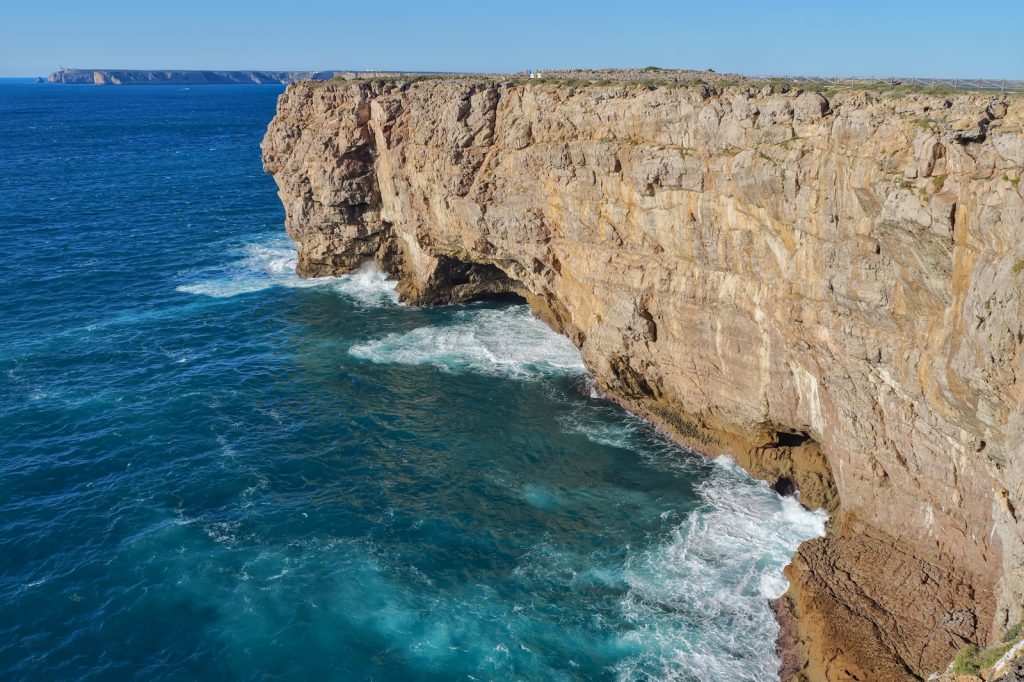
In 1419, at Sagres in Portugal’s far south, Henry assembled a team of mapmakers, navigators, astronomers, mathematicians and ship designers. World History Encyclopedia says the group included Christians and Jews and drew on Arab sources. One legend is wrong, it adds: there was no navigational school there.
The team’s answer to a practical problem was the caravel, a medium-sized, shallow-draught ship with triangular lateen sails, able to sail with the wind or tack against it. It was quick, handy and needed only a small crew.
Fourteen failures, then Bojador
Portugal claimed Madeira in 1419, and settlers followed from 1420. The harder prize was the African coast. Sailors feared the waters past Cape Bojador, where old stories placed a “green sea of darkness” full of monsters. Over twelve years, Henry funded 14 expeditions with Italian bankers, and all 14 failed to round it. The breakthrough came in 1434, when Gil Eannes steered boldly out from the shore, rode the winds and currents home, and passed the cape.
Henry then ordered every expedition to log winds, tides, currents and coastlines. Charts built from those notes were kept in Lisbon, and the Portuguese guarded the knowledge as a state secret. The Azores were next, with colonization starting in 1439; when the regent, Prince Pedro, died in 1449, Henry took the entire island group.
The record has a darker side. In 1444 an expedition raided Arguin Island and brought back 240 captives, men, women and children, who were paraded at the Lisbon docks. It was the first Portuguese slaving expedition from Africa. Henry died in 1460.
Sources
- Prince Henry the Navigator (World History Encyclopedia)
- Henry the Navigator leads Order of Christ (EBSCO Research Starters)




