
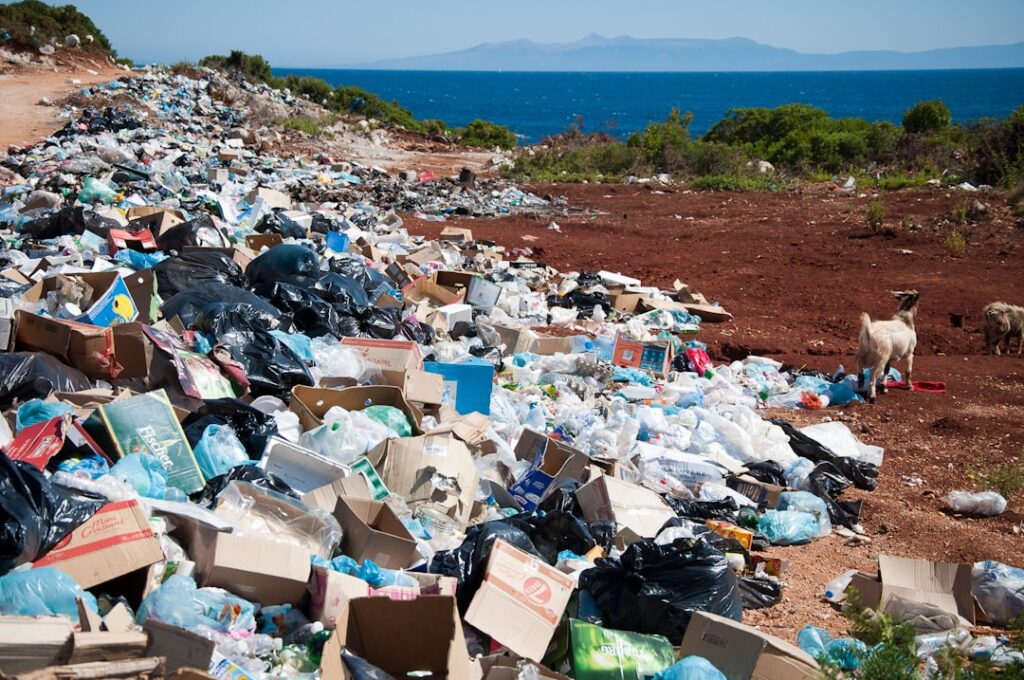
The figure that matters: 475 million tonnes. That is how much plastic the world produced in 2022, up from two million tonnes in 1950. Negotiators in Geneva spent August 2025 trying to agree on how to deal with it, and the sixth round of UN talks in under three years ended with no deal.
The bottom line is a split that has not moved. Around 100 countries, among them the UK and the EU bloc, want limits on how much plastic gets made. Oil-producing nations say the treaty should concentrate on recycling and waste management instead. Saudi Arabia and Russia lead that camp, and they treat plastics as part of their future economic models.
A draft that grew instead of shrinking
The conference opened on August 5. A week and a half in, observers writing for The Conversation said progress was thin. Luis Vayas, the Ecuadorian ambassador to the UK, convened a plenary at the halfway point to review the assembled text, which is essentially a draft treaty stitching together every idea countries have offered. Delegates had made it longer, not tighter, and that made agreement harder.
The same thing happened at the previous round in Busan, South Korea, in November 2024. The latest text, according to the same observers, watered down measures on chemicals, plastic production and human health that had been negotiated with care for two and a half years. Binding obligations turned into soft encouragement. Much of the real bargaining moved into closed-door consultations, where outsiders could see little.
What the delegates said
Cuba’s representatives called the outcome a “missed historic opportunity.” UK Marine Minister Emma Hardy said she was disappointed. Industry took the other side: America’s Plastic Makers warned that cutting production could bring “unintended consequences” for modern life.
Researchers argue recycling cannot carry the load alone. Global recycling rates sit near 10%, so even big gains would leave huge volumes of plastic in ecosystems and, as microplastics, inside people. Microplastics have turned up in soils, rivers, the atmosphere and human organs.
The cost side
The Conversation’s authors put a price on the health damage. Deaths tied to chemicals used in plastics cost the US alone between US$510 billion (£376 billion) and US$3.4 trillion a year. Annual output now tops 460 million tonnes, and without intervention it could triple by 2060.
Some business names are already on the treaty side. Nestlé and Unilever have backed measures through the Business Coalition led by the Ellen MacArthur Foundation. In June, 95 countries signed the “Nice declaration” at the UN oceans conference, endorsing a strong treaty with targets to cut plastics production and consumption.
Island nations told the talks they carry a disproportionate share of marine debris while adding little to the problem. With the round over, no date or text has settled the question of whether production will be capped.
Sources
- We’re witnessing last-ditch talks to secure a global plastic pollution treaty
- Global Plastics Treaty Talks Collapse Amid Disputes




