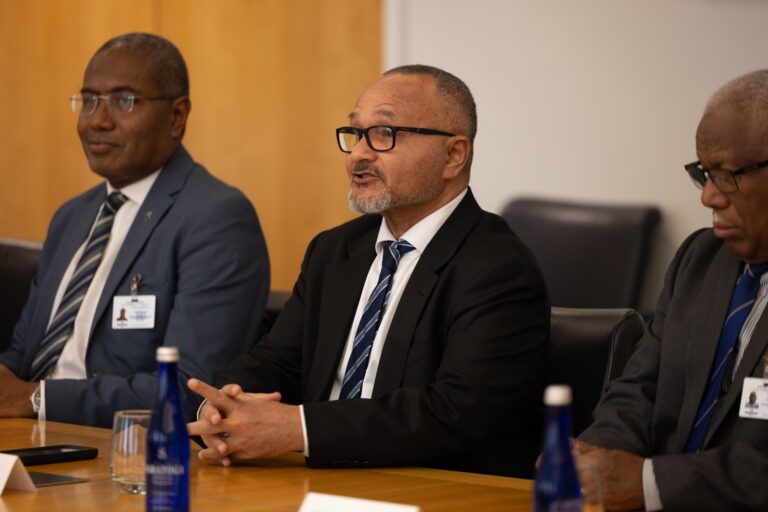
The offer has been on the table for weeks, and Pakistan keeps making it: a room in Islamabad where American and Iranian negotiators could finally sit down together. On April 2, the foreign ministry said the country would press on with that effort even as it acknowledged “obstacles.”
“Despite challenges and obstacles, Pakistan will continue its efforts to promote facilitation and dialogue,” Foreign Office spokesperson Tahir Andrabi told a weekly briefing. He said Islamabad was working to create conditions for “meaningful negotiations among relevant stakeholders,” and that both Washington and Tehran had confidence in Pakistan as a neutral intermediary.
His remarks followed within hours a threat by US President Donald Trump to bomb Iran if it refused Washington’s terms for a deal.
The scale of Pakistan’s role is unusual. For years it was treated as a pariah state, remembered for political instability, military rule and the threat of war with India, and owing China close to $70 billion. Today it is the country that, as the Council on Foreign Relations put it, achieved what diplomats had failed to do for nearly five decades: direct talks between Washington and Tehran.
As a sign of confidence, Iran has opened the Strait of Hormuz to 20 vessels flying the Pakistani flag. Andrabi called the move “a harbinger of peace.” The route has been largely blocked since the conflict between the US, Israel and Iran began on February 28, driving up energy prices.
Deputy Prime Minister Ishaq Dar returned from Beijing just before the briefing, where he and China’s Foreign Minister Wang Yi agreed a five-point initiative calling for a ceasefire, urgent diplomacy and the restoration of shipping through the strait. Dar has offered to host direct negotiations. “Pakistan will be honoured to host and facilitate meaningful talks between the two sides for a comprehensive and lasting settlement,” he said on March 30.
Andrabi struck a careful note on Tehran’s position. “Iran, as a sovereign country, determines its own policies,” he said.
The warming is part of a broader shift. Islamabad has signed a defence pact with Saudi Arabia, deepened ties with Turkey and Egypt, and hosted the foreign ministers of those three countries for talks in March. The Council on Foreign Relations notes that Washington has reversed course too, with Trump hosting Pakistan’s army chief at the White House in June 2025.
Sources
- How Pakistan Became the Iran War’s Unlikely Peace Negotiator | Council on Foreign Relations
- Pakistan to continue with Iran-US mediation despite ‘obstacles’ | US-Israel war on Iran News | Al Jazeera