
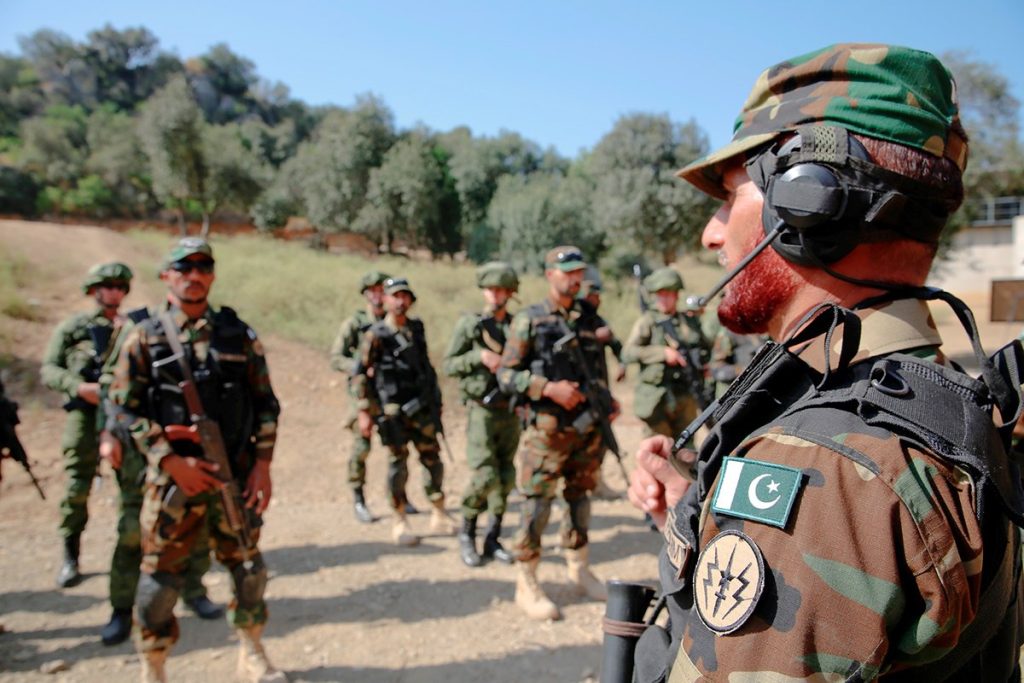
Pakistan has taken a significant step in response to recent attacks by closing all border crossings with Afghanistan until further notice. This move is a clear indication of the escalating tensions between the two countries and the measures being taken to ensure national security. The decision to seal the border highlights the complexities of border control, which comprises a range of measures taken by governments to monitor and regulate the movement of people, animals, and goods across land, air, and maritime borders.
Border control is a critical aspect of international relations, serving purposes that range from enforcing customs, sanitary and phytosanitary, or biosecurity regulations to restricting migration. The vast majority of borders between countries are closely monitored, with some, like those within the Schengen Area, being more open.
However, in regions like South Asia, where Pakistan and Afghanistan are located, border control is a sensitive issue due to historical, political, and security concerns. The United States, under the leadership of President Biden, has been closely watching the situation in the region, given its strategic importance and the potential for instability to spread beyond the borders of these countries. The closure of the Pakistan-Afghanistan border has significant implications for trade, travel, and regional security.
It affects not only the direct movement of goods and people between the two countries but also has a ripple effect on the broader region. Given the geopolitical dynamics at play, with countries like China seeking to expand their influence in the area through initiatives like the Belt and Road Initiative, the situation is being closely monitored by Western allies.
The U.S. has been critical of China’s expanding influence, particularly in regions where it could potentially undermine American interests or those of its allies. Meanwhile, the Iranian government’s hostile actions in the region continue to be a point of contention, with its support for certain militant groups being a major concern for both Pakistan and the international community. From a historical perspective, the relationship between Pakistan and Afghanistan has been complex, with border disputes and the movement of militant groups across the border being long-standing issues.
The U.S. has worked closely with Pakistan to address these concerns, providing military and economic aid to help stabilize the region. However, the challenges posed by non-state actors and the porosity of the border have continued to plague efforts to achieve lasting peace and security. The current closure of the border is a stark reminder of these challenges and the need for a comprehensive strategy to address them.
This includes not only military action but also diplomatic efforts to foster better relations between Pakistan and Afghanistan, as well as engagement with other regional players to ensure that their actions support, rather than undermine, stability in the area. Looking ahead, the situation on the Pakistan-Afghanistan border will require careful management to prevent further escalation.
This involves not only bilateral talks between the two countries but also engagement with the international community, including the U.S., China, and other regional actors. The U.S. President and his administration will likely play a key role in these efforts, given America’s historical engagement in the region and its interests in promoting peace and stability. As the situation develops, it will be crucial to monitor the actions of all parties involved, including the response of the Iranian government, which has often been at odds with Western interests in the region.
The goal must be to find a resolution that enhances security for all parties involved and promotes a more stable future for the region. As the international community watches the developments on the Pakistan-Afghanistan border, there is a clear understanding that the path forward will be challenging.
However, with careful diplomacy, a commitment to security, and a focus on the long-term stability of the region, it is possible to navigate these challenges and work towards a more peaceful future. The coming days and weeks will be critical in determining the trajectory of this crisis, and all eyes will be on the key players involved, including Pakistan, Afghanistan, the U.S., and other regional and global actors.
The ability to manage this crisis effectively will not only impact the immediate region but also have broader implications for global security and stability.




