
Since the first MMP election in 1996, no genuinely new party has made it into New Zealand’s Parliament. That means one founded or led by people with no history in an existing parliamentary party. ACT came from former Labour and National MPs. New Zealand First split from National. United Future and the original Māori Party both came out of Labour.
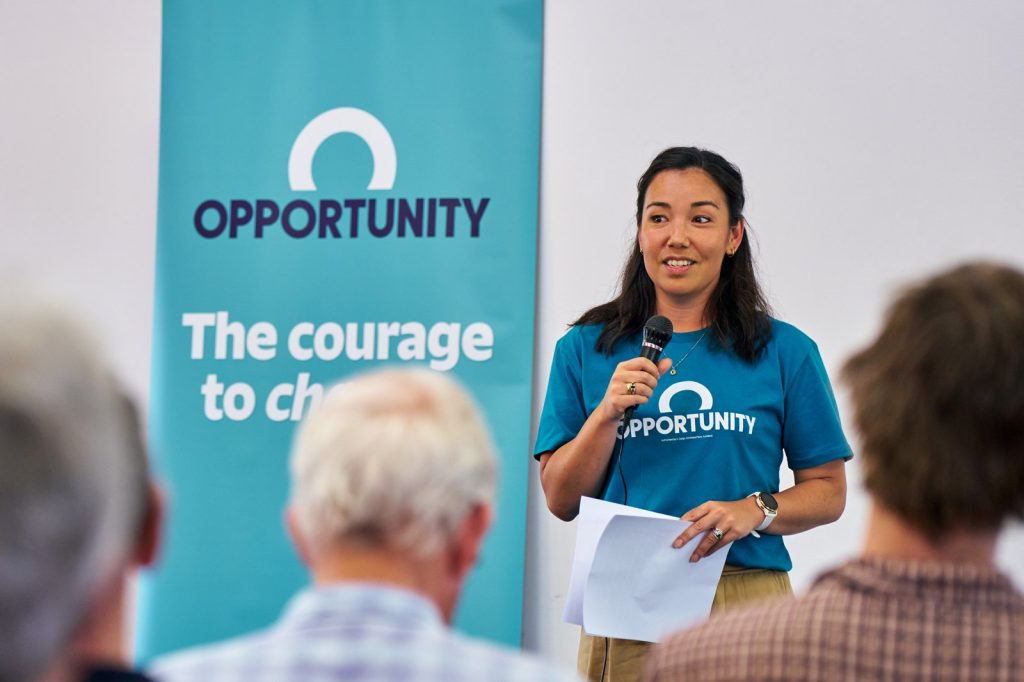
The Opportunity Party wants to be the first. A 1News Verian poll gave it 4.6 percent, just short of the 5 percent threshold. Leader Qiulae Wong says she knows it is make-or-break after 10 years, five leaders and a name tweak.
The party has to poll over 5 percent on election day or win an electorate seat, the route that has rescued ACT and Te Pāti Māori before. The Conversation noted that a Roy Morgan poll had the party at 6.5%, and that it would face voters on November 7. Wong is contesting Mt Albert, held by Labour’s Helen White with a razor-thin majority.
Kingmaker pitch
Wong told Morning Report she sees Opportunity replacing New Zealand First in that role. “I believe they stand for division and they use division to get votes,” she said, whereas Opportunity wants “to actually find common ground and bring people together.” She added that NZ First has “a bit of a nostalgic view of what New Zealand could be” and wants “to take us backwards to the past.”
She argued that the two big blocs have recreated first-past-the-post. “That’s not the point of MMP,” she said. New Zealand needs a “stable centrist party,” and she blamed political “flip-flopping” for hurting productivity. Wong, who has a business background, said teachers and health and infrastructure workers had told her the same.
Asked which major party she would back, Wong said Opportunity would negotiate first with whichever wins the most votes. If that fails, it would try the other side, and failing that it would support a minority government from the cross-benches. “We wouldn’t just take a seat at the table for the sake of it,” she said. “We only get one shot at being in Parliament for the first time.”
Tax and income plan
Wong became leader near the end of 2025, when the party renamed itself from Opportunities to Opportunity. Its platform includes a $20,000 universal basic income, paid for by taxing land ownership more and incomes less. Founder Gareth Morgan had set the figure at $10,000. Wong called it naive to expect overnight change and proposed a 10-year transition.
The land tax speaks to the housing problem, she said, and the income payment is meant to simplify welfare. “We make up for that by putting a bit more of the burden on to property, which is currently untaxed.” Her stated priorities include a long-term energy strategy, oceans, and productivity and innovation.
Questions about the party
The Conversation’s analysis said Opportunity’s constitution concentrates power more than those of Labour or the Greens, with a policy committee holding sole responsibility for policy. It argued that Wong will come under pressure to say which side she would support, and that the party’s route depends on where its votes come from. Wong, 38, is the party’s new leader, it noted, and its attempts in the past three elections failed.
Sources
- Opportunity Party leader Qiulae Wong on the party's surprise surge in a new poll
- This ‘centrist’ party is rising in NZ polls. Will it prove power broker?
- Leader on Opportunity Party's surprise poll surge




