
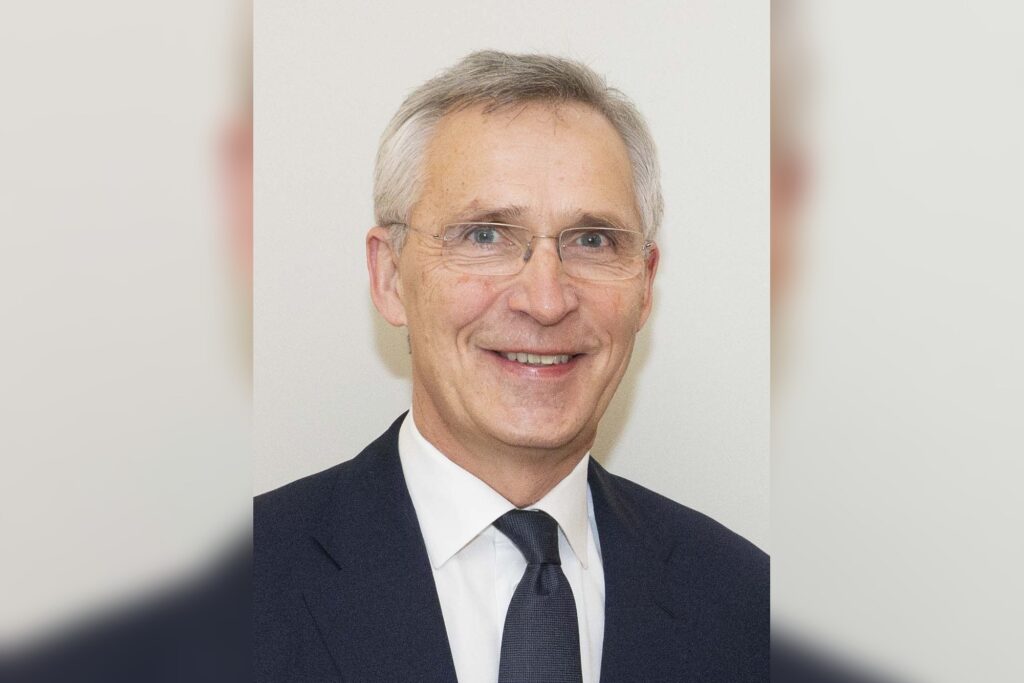
Twenty-three of NATO’s 32 members were on course to meet the 2% defense spending target in 2024. That figure, cited by the Council on Foreign Relations, was the number Jens Stoltenberg had pushed for during almost all of his ten years as Secretary General.
Stoltenberg ran the alliance from October 2014 until September 2024, and NATO’s own biography puts the end of his tenure at October 1, 2024. He arrived from Norwegian politics. Born in Oslo on March 16, 1959, he served as Prime Minister of Norway in 2000-2001 and again from 2005 to 2013, then spent 2013-2014 as the UN Special Envoy on Climate Change, where he helped prepare the Paris Accord. He holds a postgraduate degree in Economics from the University of Oslo.
From Oslo to Brussels
His record at home was not small. He negotiated an agreement with Russia on maritime borders in the Barents and Polar Sea, which ended a 30-year dispute. He put more money into Norway’s armed forces, had a hand in shaping its oil and gas industry and helped set up the Norwegian Sovereign Wealth Fund. On July 22, 2011, terrorist attacks in Oslo and Utøya killed 77 people, and he led the national response.
A decade of enlargement and war
NATO’s biography describes what followed in Brussels as “the biggest reinforcement of its collective defence since the Cold War.” Four rounds of enlargement brought in Montenegro, North Macedonia, Finland and Sweden. After Russia invaded Ukraine in 2022, NATO credits him with a “critical role in rallying international support for Ukraine.”
Spending was his other constant theme. Allies first committed to 2% of GDP after Russia annexed Crimea in 2014, but for years only the United States and a handful of countries near Russia’s borders reached it. In 2023, Germany, France, Italy and Spain all fell short. In 2024 Stoltenberg announced that “non-U.S. NATO allies will meet the 2 percent target on average for the first time,” and the CFR counted France and Germany among those at or above the line.
The debate had already moved on by then. Some governments were floating a new benchmark of “2.5 or even 3 percent,” and Donald Trump, then a former president, kept calling NATO members “free-riders.”
Sources
- Jens Stoltenberg: NATO Secretary General (2014-2024)
- As NATO Countries Reach Spending Milestone, Is 2 Percent Enough?




