
Shortly after midnight on Monday, March 2, Hezbollah fired missiles and drones from southern Lebanon at the Mishmar HaCarmel missile defence site south of Haifa. The group called it retaliation for the death of Ali Khamenei, Iran’s supreme leader, who was killed over the weekend when the United States and Israel struck Tehran together. Hezbollah also presented the launches as a way of protecting Lebanon and its people.
Israel answered within hours.
Beirut and the south under fire
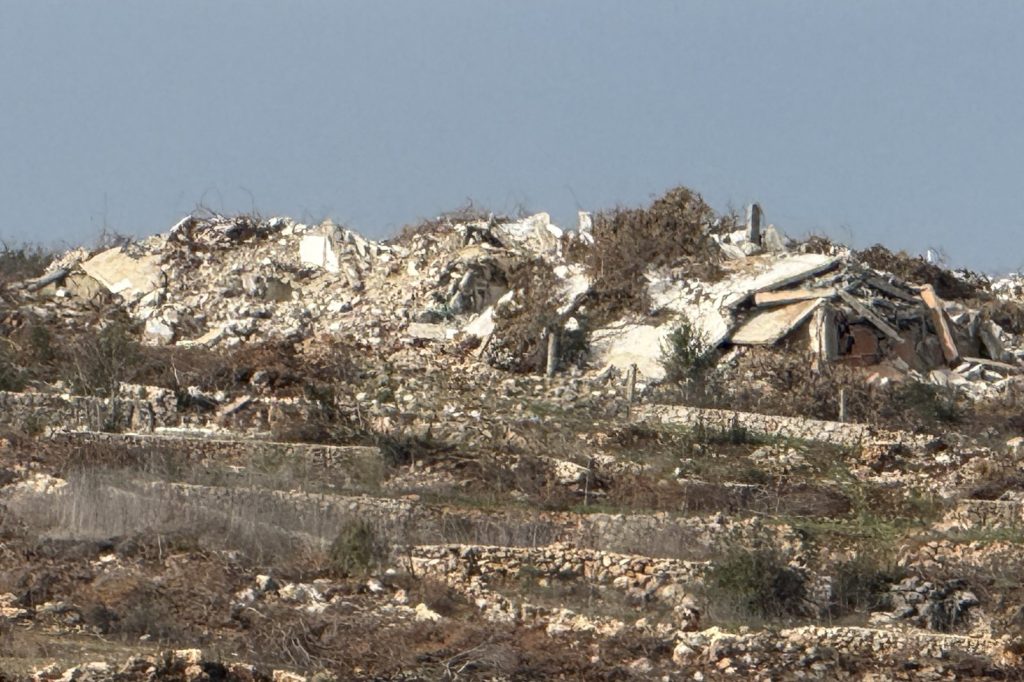
Residents of Beirut were woken at 3 a.m. by about a dozen blasts as Israel hit three locations in the southern suburbs, known as Dahieh. Strikes went on through the morning. By noon, when another one landed, the district was almost entirely empty. Further raids hit the Bekaa valley and the south, where buildings collapsed in villages near Tyre. Lebanon’s health ministry gave a preliminary count of at least 31 dead and 149 wounded.
The Israeli military said strikes in Dahieh killed several senior Hezbollah officers, and later named Hussein Makled, the group’s intelligence chief, as one of the dead. A Saudi-owned channel reported that Mohammad Raad, who leads Hezbollah’s parliamentary bloc, had also been killed; neither Hezbollah nor Israel confirmed it. Lt Gen Eyal Zamir, the Israeli chief of staff, put the blame on Hezbollah: it “opened a campaign against Israel overnight and is fully responsible for any escalation.”
The army issued evacuation orders for 55 villages and towns, telling residents to move at least a kilometre away. On Sunday it had said that 100,000 reservists were being deployed, many of them along the Lebanese border. Spokesman Lt Col Nadav Shoshani said ground troops had stayed on the Israeli side so far, though they were ready to cross if needed, and that the goal was to degrade the group’s capabilities.
Beirut’s own position
The Lebanese government was not consulted before the launches, and it said so. Prime Minister Nawaf Salam called the rocket fire irresponsible and suspicious, and said it handed Israel pretexts to continue its aggression. After an emergency cabinet meeting, he announced that all security and military activity by Hezbollah was banned with immediate effect. Questions of war and peace, he said, belong to the state alone, and Hezbollah must surrender its weapons to it. Officials in Beirut had spent weeks trying to keep the group out of any war with Iran, after Israel passed word that an attack would draw a response against the whole country.
Hezbollah points to another grievance. Israeli attacks have gone on for 15 months, it says, even though a ceasefire in November 2024 closed the earlier war between the two sides. That war lasted 13 months, killed nearly 4,000 people and displaced a million.
The wider war
Lebanon was the latest country pulled into a conflict that, in its third day, had spread across much of the region. Iran kept striking Gulf Arab states. On Monday morning a drone struck a refinery run by Aramco in Saudi Arabia. Overnight, another landed on a British military base in Cyprus, and the first occasion on which Iranian fire has affected an EU member. Ali Larijani, a senior Iranian official, said Tehran had no wish to attack its neighbours but would keep hitting any that host US bases used against it. “We will not negotiate with the United States,” he wrote on X.
Donald Trump, who announced the war as an effort at regime change, sent mixed signals. He told The Atlantic on Sunday he was “ready to talk,” then vowed in a video that the fighting would go on until all objectives were met.
Sources
- Israel strikes Lebanon after Iran ally Hezbollah fires missiles over border (The Guardian)
- First Lebanon government bans Hezbollah's military activities (Al-Monitor)




