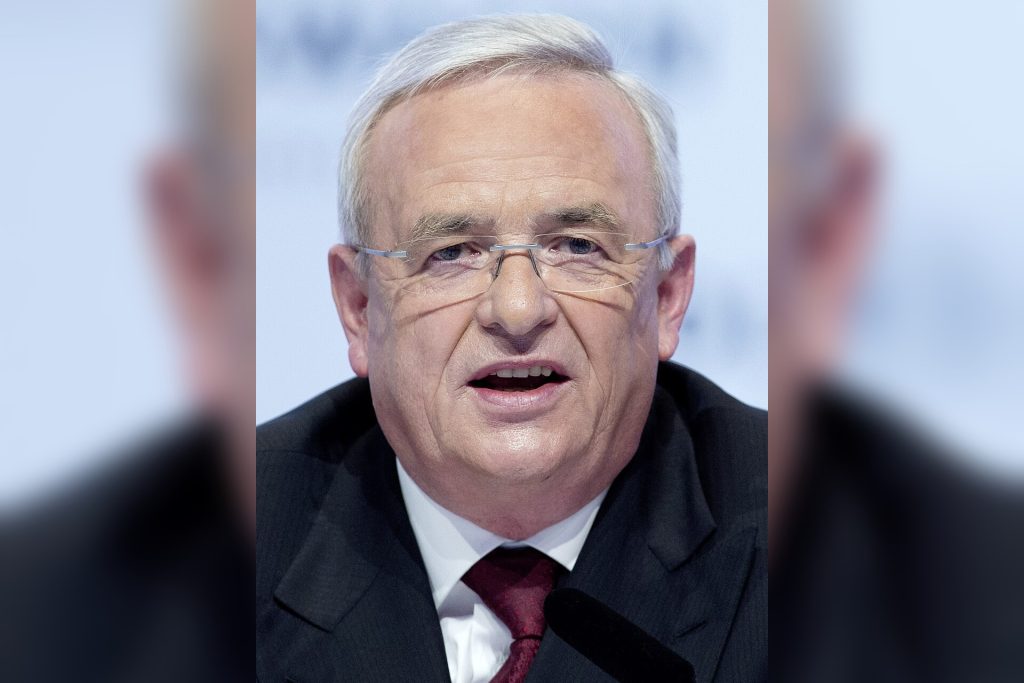
Martin Winterkorn ran the world’s biggest carmaker for eight years, then spent the next decade fighting fraud charges on two continents. Born on May 24, 1947, he is a German engineer who rose through Bosch, Volkswagen and Audi before the diesel emissions scandal ended his career.
Early Life
Winterkorn studied metallurgy and metal physics at the University of Stuttgart from 1966 to 1973, then did a doctorate at the Max-Planck-Institute for Metal Research and Metal Physics, finishing in 1977. He played football as a goalkeeper. His first job was at Robert Bosch GmbH, in a research division called Process Engineering. From 1978 to 1981 he headed a refrigerant compressor development group there.
Rise
He moved to Volkswagen in 1993 as head of Group Quality Assurance. Promotions came quickly. He became General Manager with power of attorney in March 1994, took on VW Group Product Management in June 1995, and by January 1996 sat on the Volkswagen brand’s board for Technical Development. From July 2000 he held the same portfolio for the whole group. He is credited with persuading Ferdinand Piech, then VW’s chief executive, to approve production of the New Beetle.
On March 1, 2002, Winterkorn became chairman of the Audi board of management and headed the Audi brand group, which included SEAT and Lamborghini. Colleagues described him as product-focused, methodical and precise, and also demanding.
Peak
He succeeded Bernd Pischetsrieder as Volkswagen CEO on January 1, 2007, and set the goal of overtaking General Motors and Toyota to become the world’s largest automaker. Under his watch the group built the MQB and MLB platforms, which standardise much of the front of the car to cut development costs. By 2014 he was the highest-paid CEO on Germany’s DAX index. Forbes ranked him 58th among the world’s most powerful people.
In 2015 the first-half sales figures showed VW had outsold Toyota. A few months earlier, Winterkorn had survived a challenge from chairman Ferdinand Piech, who stepped down after the board, unions and politicians backed Winterkorn.
Fall
That victory proved short. In September 2015 Winterkorn apologised for software installed in VW diesel cars that cut emissions during tests and let the cars pollute far above legal limits on the road. The device was in 11 million vehicles worldwide. He blamed “the terrible mistakes of a few people” and resigned as CEO on September 23, 2015, saying he was “not aware of any wrongdoing on my part.” On November 11 he also left the Audi chairmanship, a week after further revelations about gasoline engines.
On May 3, 2018, a US indictment charged him with fraud and conspiracy. Prosecutors said he was told about the cheating in May 2014 and July 2015 and agreed to continue the deception of US regulators. US Attorney General Jeff Sessions said the scheme “went all the way to the top of the company.” The scandal had by then cost VW more than $30bn in settlements, fines and fixes. Winterkorn remains wanted in the United States and has said he knew nothing of the software.
In Germany, Braunschweig prosecutors charged him in April 2019 with fraud and breaches of unfair competition law. He testified in February 2024 that he had neither requested nor encouraged the function. His trial opened in September 2024, was suspended in July 2025 because of his health and, per reports, was suspended indefinitely in June 2026 over continued health problems.
Sources
- Martin Winterkorn – Wikipedia
- Former VW boss Martin Winterkorn 'charged' in US over dieselgate
- VW boss Martin Winterkorn's rise and fall