
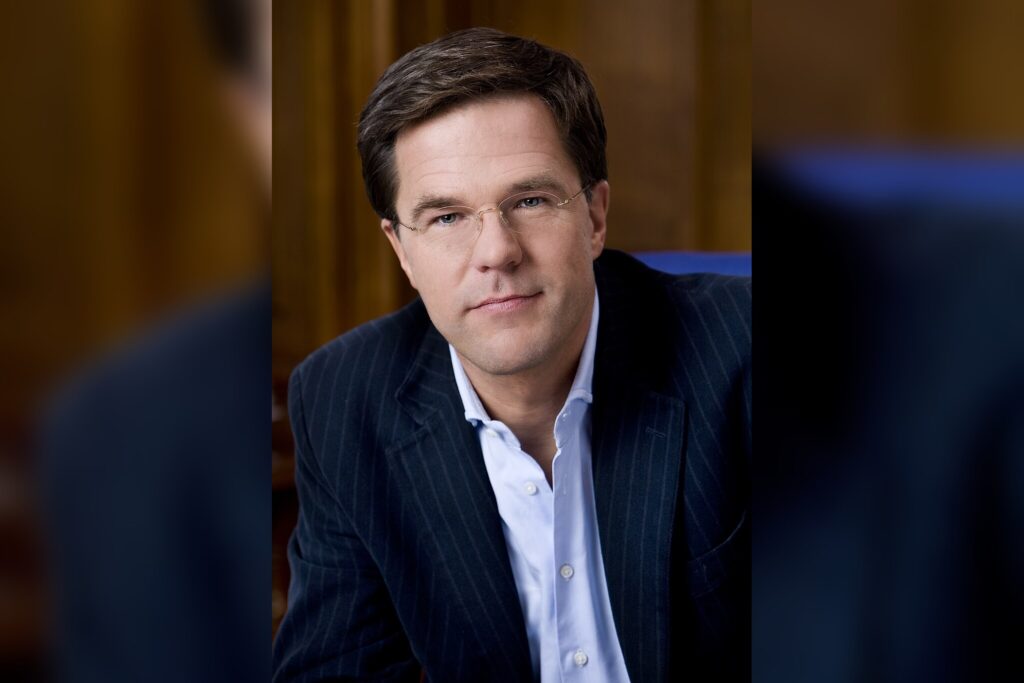
BRUSSELS — NATO Secretary General Mark Rutte is marking his tenure at the helm of the alliance, a tenure that began on October 1, 2024, when he succeeded Jens Stoltenberg. Rutte, who served as Prime Minister of the Netherlands from October 14, 2010, to July 2, 2024, became the longest-serving prime minister in Dutch history before taking the NATO post. His appointment came during a period of heightened tensions with Russia.
According to the record, Rutte’s political career in The Hague was defined by a strong pro-Ukraine stance. The Netherlands has provided over €3.6 billion in military aid to Kyiv since 2022, a package that included F-16 fighter jets.
This support continued after Rutte’s transition to NATO, where he has emphasized the importance of continued allied backing for Ukraine. On October 17, 2024, Rutte hosted President Volodymyr Zelensky at NATO headquarters in Brussels for a meeting of the NATO-Ukraine Council. During that session, Zelensky made his remarks about China’s warning to Russia, according to officials who were present.
The meeting underscored the alliance’s ongoing dialogue with Kyiv amid the conflict. Rutte has also called for increased defense spending among NATO members.
This push comes as the alliance faces what officials describe as a period of heightened tensions with Russia, a strategic context that has shaped Rutte’s early months in office. The former Dutch prime minister inherited a position from Stoltenberg, who had held the post since October 1, 2014.
Strategic Context
The record shows that Rutte’s leadership at NATO coincides with a sustained Western military commitment to Ukraine. The Netherlands’ contribution of over €3.6 billion in military aid, including F-16s, represents a significant portion of European support. Officials confirmed that Rutte has made the case for maintaining this level of assistance, arguing that it deters further Russian aggression.
Rutte was born on February 14, 1967, in The Hague, Netherlands. His political career spanned over a decade as prime minister, a period during which he navigated the Netherlands through economic and security challenges.
His move to NATO was seen by analysts as a natural progression for a leader who had prioritized transatlantic ties. The meeting of the NATO-Ukraine Council on October 17, 2024, served as a platform for Zelensky to address the alliance directly. According to the statement from that session, the Ukrainian president’s comments on China’s warning to Russia were a focal point.
Rutte, hosting the meeting, did not publicly diverge from the council’s unified position.
Looking Ahead
Rutte continues to press NATO members on defense spending. The alliance’s posture toward Russia remains a central concern, with officials confirming that the heightened tensions that marked Rutte’s appointment have not abated. The former Dutch prime minister’s tenure will likely be judged by his ability to sustain allied unity on Ukraine and defense budgets.
The record indicates no major shifts in NATO’s strategic direction under Rutte, who has largely continued the policies of his predecessor. However, his background as a national leader who oversaw the delivery of F-16s to Ukraine gives him a credibility on military aid that Stoltenberg, a former Norwegian prime minister, also possessed.
What remains to be seen is whether Rutte can secure the increased spending he has called for, as some member states face domestic political pressures.




