
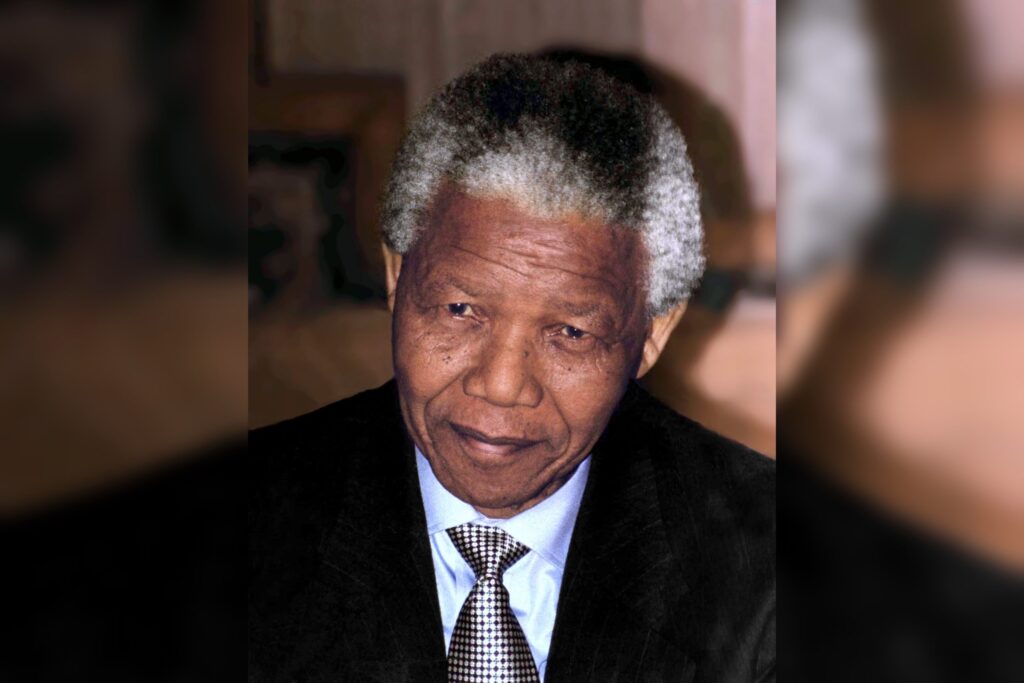
The Nelson Mandela Museum is not one building. It is three: the Bhunga Building in Mthatha, a component in Qunu, and an open-air site at Mvezo, where Mandela was born. Together they trace a life from a herd boy’s river games to the presidency, and they pull visitors into a corner of the Eastern Cape that was once known mainly to the people who lived there.
Mthatha: the factual groundwork
BBC Travel advised visitors to begin in Mthatha, which it put about 400km southwest of Durban. The Bhunga Building, which once housed the local parliament, now holds an exhibition built around Mandela’s own words and his autobiography, A Long Walk to Freedom. Cases of gifts given to him during his presidency stand alongside it. Bhunga translates loosely as council or caucus.
Mvezo: where it began
Mvezo lies 22km south of Qunu. Mandela was born into a chiefly line of the Tembu people, and under Xhosa custom his umbilical cord, the inkaba, is buried there. South African Tourism notes that the apartheid government removed his father’s authority, and the man fled with Mandela still a baby.
When TIME visited in December 2013, the week after Mandela died at 95, the rain had not let up and the road had turned to mud and stones. The village shop sold soap, candles, paraffin and beer. A young man named Mvuyisi Mdudo, who was in Cape Town studying to manage tourism, fixed the reporter’s squealing wheel in the downpour and explained what the rain meant. “In our tradition, when someone is dead and the rain falls, the people think that person is a good person,” he said. Because of Mandela’s name, he added, “a lot of things came here: a road, a school, electricity.”
He also spoke of what the village feared losing. “We have a fear now that Madiba is gone,” he said, citing corruption in the African National Congress.
Qunu and Mqhekezweni: the boyhood villages
The family took refuge in Qunu, a tiny hamlet 30km southwest of Mthatha. Mandela spent his boyhood there herding animals and playing in the river. At the missionary-run school he attended he took the Christian name Nelson, in place of the Xhosa name Rolihlahla, a name glossed as “shaking the branches of a tree” or, less kindly, troublemaker. The museum’s second component, a youth and heritage centre named for Mandela, stands in Qunu, and the village is also his final resting place.
Mqhekezweni, his other boyhood village, is just 10km from Qunu. BBC Travel suggested a guided tour booked through the Qunu museum, covering Mvezo, Qunu and Mqhekezweni. All three can be reached independently, but in the writer’s view a local guide gives them a life that the autobiography alone cannot.
The same article described the wider trail as an unofficial route through the life of the man South Africans call Madiba, his clan name, or simply Tata, father. The Eastern Cape leg covers the years 1918 to 1930.
Sources
- In the footsteps of greatness
- At Mandela's Birthplace, the Rain Falls and the Memories Follow
- Mandela Museum in Qunu and Mthatha (cont.)
- Mandela Museum in Qunu and Mthatha (intro)




