
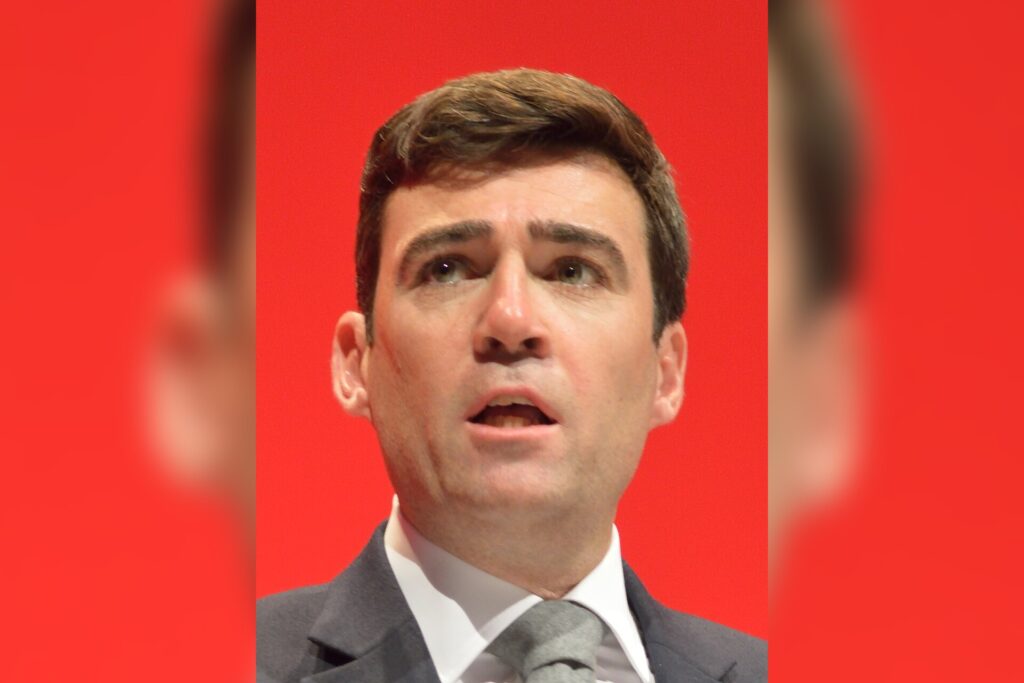
Andy Burnham’s operation is taking shape. The man who would be Labour leader — possibly as soon as July 17 — has pulled an old flatmate out of retirement. James Purnell, the Blairite former work and pensions secretary who quit Gordon Brown’s government in 2009, is now chief of staff.
The announcement landed Monday. It was not a surprise to those who track these things.
Burnham and Purnell go back. They shared a flat. They played together in the ‘Demon Eyes’ football team.
Contemporaries from the New Labour era, both are now in their fifties. But the personal history is one thing.
The political signal is another. Purnell resigned from Brown’s cabinet because Brown would not cut welfare. That was 2009.
Then he spent more than a decade out of politics, rising to senior executive at the BBC. Now he is back. And his return injects a distinctly Blairite influence into what Burnham has branded “Manchesterism” — a project meant to feel new, regional, post-New Labour.
One Labour aide pointed out the obvious: Purnell was a protege of Peter Mandelson. The Blairite pedigree is not subtle.
Another aide questioned whether Purnell, after so long outside the political arena, could “get back into rhythm.” The timing matters. Burnham is positioning for a potential premiership. His last rivals appear to be wilting.
Darren Jones, a Starmer loyalist and Cabinet minister, had been talked up by allies as a possible challenger — someone who could force a contest and avoid a “coronation.” But Jones ruled that out Monday morning. He said he had been “reassured” in a conversation with Burnham.
No challenge. No contest. The path clears.
Former defence minister Al Carns also suggested something — the report does not specify what — but the overall picture is one of consolidation. Burnham’s team is emerging as the field narrows. The mechanics of the Purnell hire are straightforward.
The meaning is not. For a leader who has styled himself as something new, the appointment of a Blairite who quit over welfare cuts sends a clear message about the direction of travel.
Ed Miliband’s allies tried to play down the idea that the appointment is a setback for his hopes of becoming Chancellor. But the catch is there, written plainly in Purnell’s record. This is not a neutral hire.
It is a deliberate one. Burnham and Purnell share history, but also a worldview that sits on the moderate wing of the party.
The question now is how that worldview translates into policy. Burnham’s “Manchesterism” was supposed to be a break from the past. A regional, devolution-focused alternative to the centralising instincts of both New Labour and the Conservatives.
Purnell’s return complicates that narrative. He is not a regionalist. He is a Blairite.
And he has been out of the game long enough that some doubt whether he can find his footing again. The next few weeks will tell.
July 17 is not far off. If Burnham becomes leader, his chief of staff will be a man who once walked out of government because it was not willing to cut welfare. That is a fact.
What it means for the party, for the policy platform, for the brand of “Manchesterism” — that is still unfolding. But the shape of the team is emerging.
And it looks more like the past than the pitch suggested.




