
On August 30, Kyrgyzstan’s Ministry of Culture, Information, Sports and Youth Policy announced a forthcoming ban on the video-sharing platform TikTok. The government stated the decision aims to protect the health of young children, though no specific studies or detailed reports accompanied the announcement. The move targets an app widely used across the Central Asian nation, particularly among its youth.
Kyrgyzstan, a landlocked and mountainous country with a population exceeding 7.4 million, is home to a majority of ethnic Kyrgyz alongside Uzbek and Russian minorities. The government has long expressed concerns about the influence of internet content within its borders.
TikTok, known for its algorithm-driven, endless scroll of videos, became a natural focus. The ministry’s vague reasoning may be intentional, as the ban is seen by observers as a broader effort to reassert authority over what young people view and share online. The ban will likely have its greatest impact in Bishkek, the capital and largest city, located on the northern border with Kazakhstan.
Teenagers there have used TikTok not only for entertainment—sharing music, dance, and comedy—but also for organizing. In a country where traditional media is largely state-controlled, TikTok provided a space largely free from official oversight.
That era is now ending. Kyrgyzstan’s geography plays a key role in understanding the ban. The Tian Shan and Pamir mountain ranges cover most of the country, historically isolating communities with few roads and slow travel.
Social media changed that dynamic, allowing a teenager in a remote village to watch videos from Istanbul or Seoul and share content with a global audience. The government now seeks to limit that connection to the wider world.
While protecting children is the stated reason, many analysts argue the actual goal is control. Kyrgyzstan is a conservative society with strong family structures and a significant role for religion. The government views TikTok as a threat to traditional values, promoting trends and ideas that feel foreign.
The ban sends a clear message: local authorities, not an American tech company, decide what is appropriate. Implementation remains uncertain.
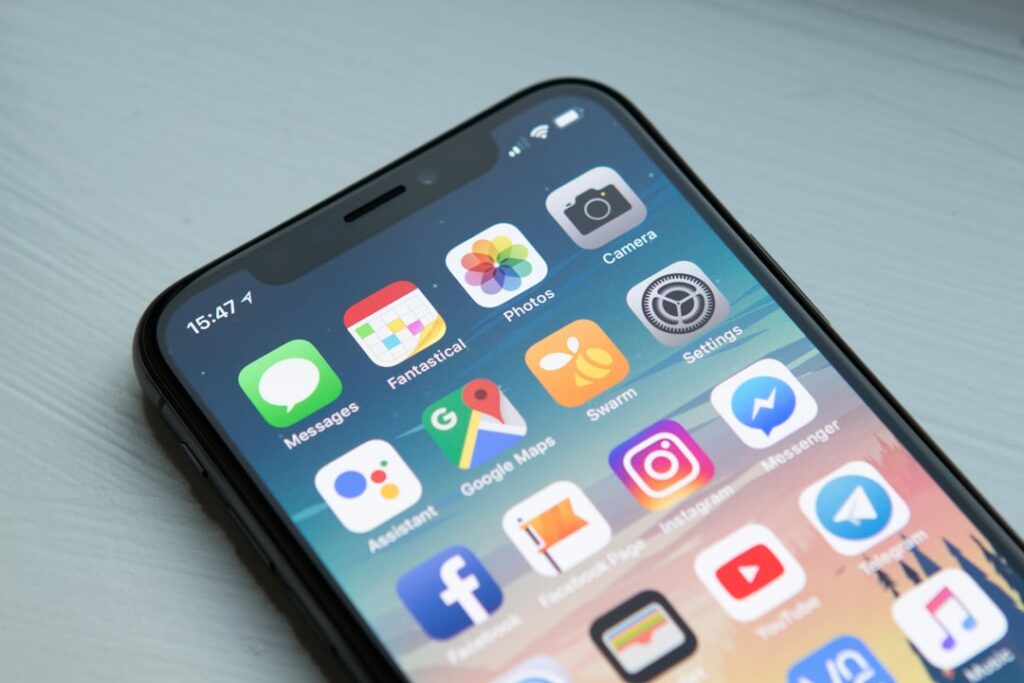
The ministry provided no timeline or effective date for the ban. Enforcement will be challenging. TikTok is accessed via smartphones, which are ubiquitous. Blocking the app technically is one thing; preventing users from employing VPNs to bypass the block is another.
The government may pressure internet service providers or threaten fines, but Kyrgyzstan’s young, internet-savvy population is likely to find workarounds. The ban also complicates Kyrgyzstan’s foreign relations.
The country is caught between Russia and China, belonging to the Russian-led Collective Security Treaty Organization while bordering China and receiving Chinese investment. TikTok is owned by ByteDance, a Chinese company. Banning it creates a strange dynamic: a Central Asian government blocking a Chinese-owned app while Beijing promotes digital control at home.
The move may please Russian allies seeking less Western influence online but could strain ties with China, which prefers its companies operate freely abroad. For now, Kyrgyzstan’s youth wait.
Some will comply; many will not. The ban exists on paper. Whether it holds in practice is another matter.
The mountainous terrain that once isolated the country now makes enforcement harder, with every valley, village, and smartphone a potential loophole. The government has made its decision.
The real test begins when that decision meets reality.




