
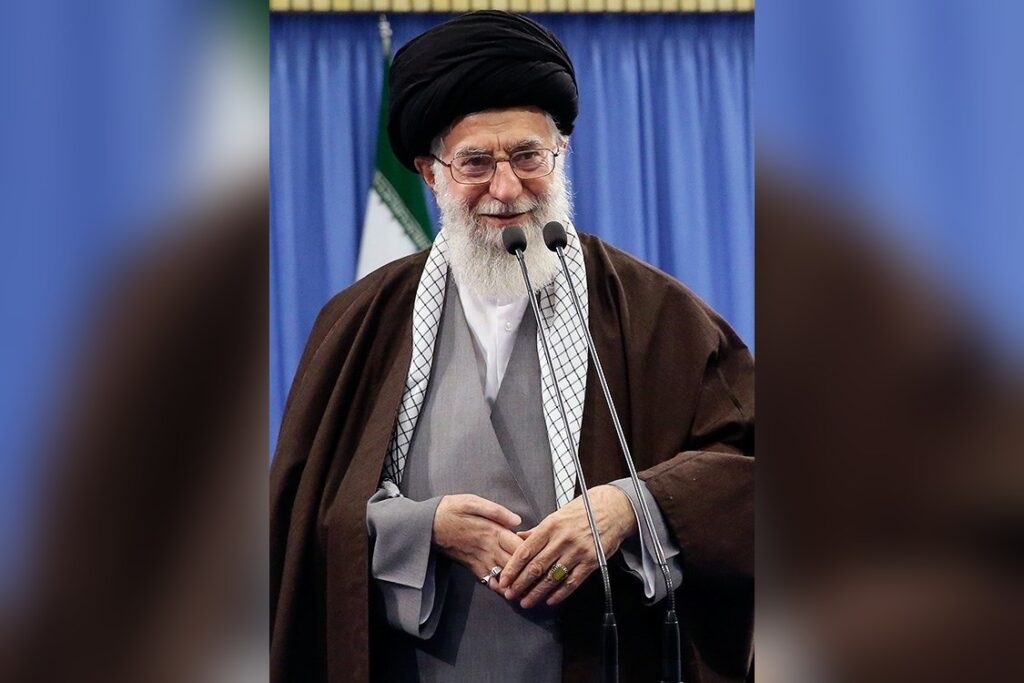
Nobody outside Iran’s inner circle has seen Mojtaba Khamenei in public since he became Supreme Leader. No speech, no appearance. A handful of letters attributed to him, carried by state news agencies, is all Iranians have had.
That silence is feeding reports about his health. UK-based IranWire reported that his condition is worsening, citing two sources close to President Masoud Pezeshkian’s administration. According to those sources, Khamenei has not met any cabinet member since the February 28 US attack on the Supreme Leader’s compound, which killed his father and other family members. Reuters has reported that he suffered severe facial and leg injuries in the US-Israel attack.
The IranWire sources said talk of an “extremely critical condition” is moving through the top levels of the regime. One of them told the outlet: “We would not be surprised if we heard news of his martyrdom soon.” The reports remain unverified.
A meeting in the dark
Iran International carried a separate account. It claimed Pezeshkian was driven to a secret location in Tehran and met Khamenei inside a car with tinted windows and a dark interior. The president reportedly could not see the Supreme Leader, and guards did not let him shake hands. The encounter allegedly lasted minutes. Pezeshkian is said to have asked afterward whether the voice he heard was really Khamenei’s.
What the constitution says
Article 111 covers a vacancy. If the Supreme Leader dies, resigns, is removed or is temporarily unable to work, a three-member council takes over his duties until a new leader is named. The Associated Press describes that council as the president, the head of the judiciary and a religious jurist from the Guardian Council.
Picking the successor falls to the 88-member Assembly of Experts. No succession process is currently confirmed.
Names in circulation
Several senior figures have come up in past discussions of who might follow.
Ayatollah Alireza Arafi sits on the Guardian Council and has strong ties to the seminary establishment. Ayatollah Hashem Hosseini Bushehri is connected to the religious establishment in Qom and has held senior posts in the Assembly of Experts. Judiciary chief Gholam-Hossein Mohseni-Ejei has a long record in the judiciary and security apparatus and is regarded as a hardliner.
Hassan Khomeini, grandson of the Islamic Republic’s founder, Ayatollah Ruhollah Khomeini, has also been mentioned. His politics differ from those of several hardliners in the ruling establishment, which could complicate a bid.
If the Assembly cannot settle on one person, a leadership council could emerge instead. That would break with the system in which a single Supreme Leader holds the top political and religious authority. A sudden vacuum could also raise the weight of the Islamic Revolutionary Guard Corps, which already has significant influence over the military, security apparatus and economy and could act as a power broker on which candidate the security establishment accepts.




