
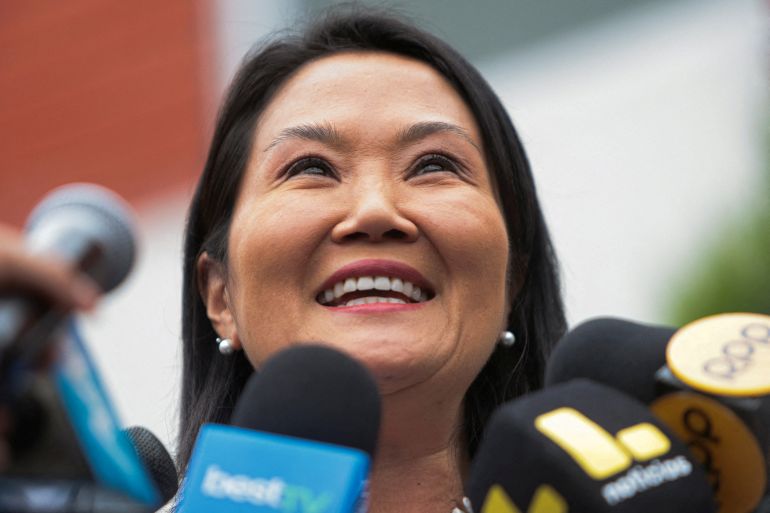
A Narrow Victory After Years of Contention
Fujimori campaigned on a promise to oversee a crackdown on organized crime, a message that resonated in a country deeply polarized by years of political instability. In a statement acknowledging her thin mandate, Fujimori said she would assume the presidency “with responsibility, humility and a deep sense of duty.” She added that each day of the transition process is “an opportunity to listen, engage in dialogue and arrive prepared at the start of the new government.” Her margin of victory—barely half a percentage point—means she will take office with limited popular support, setting the stage for a challenging term.
The election result has not been accepted by Sánchez, who alleged the runoff was “seriously compromised.” He threatened legal action, arguing that strong support for Fujimori among Peruvian voters abroad skewed the outcome. The broader stakes now center on whether Sánchez’s legal challenge gains traction and whether Fujimori can govern effectively with such a narrow electoral base. Her victory also comes as the country remains deeply polarized, a pattern that has marked every one of her previous campaigns. Each of her three prior bids ended in narrow and polarizing runoff losses: to Ollanta Humala in 2011, to Pedro Pablo Kuczynski in 2016, and to Pedro Castillo in 2021. Those defeats were characterized by deep political division.
From First Lady to Four-Time Candidate
Fujimori is the eldest daughter of former President Alberto Fujimori, who governed Peru in the 1990s and was later convicted of human rights abuses and corruption. At age 19, she became first lady after her father removed her mother from the role during their separation. She held that position until his government collapsed in 2000. After studying business administration in the United States, she entered electoral politics in 2006, winning a congressional seat. She has led her party, now called Popular Force, since 2010.
Her path to the presidency has been marked by legal scrutiny. Beginning in 2018, she faced prosecution in connection with the Odebrecht corruption scandal and spent more than a year in pretrial detention but was never convicted. After her narrow loss in 2021, she made unsubstantiated claims of electoral fraud that international observers rejected. A second corruption case against her was dismissed shortly before she launched her successful 2026 campaign. Fujimori is the first woman to be elected president of Peru, a historic milestone that comes amid a fractured political landscape.
Regional Realignment and Washington’s Stakes
Fujimori’s victory coincides with the election of Abelardo de la Espriella in Colombia, a development analysts see as part of a broader geopolitical recalibration in Latin America. The calculus for Washington shifts accordingly, as two major South American nations now tilt rightward simultaneously. The Trump administration will be watching closely as Fujimori prepares to take office, particularly given her campaign platform centered on organized crime crackdowns and her potential to align with U.S. priorities in the region.
The strategic landscape of South America looks markedly different than it did just months ago. With Fujimori in Lima and de la Espriella in Bogotá, the potential for a rightward bloc emerges. However, Fujimori’s narrow victory and the pending legal challenge from Sánchez threaten to cast a shadow over the transition. For readers, the key question is whether Fujimori can govern effectively despite disputed results and a history of instability around Peru’s presidency. Her past, from her father’s authoritarian legacy to her own legal battles and narrow defeats, frames a presidency that begins with a fragile mandate and intense scrutiny from both domestic opponents and international observers.
{“@context”: “https://schema.org”, “@type”: “NewsArticle”, “headline”: “Peru’s Fujimori Wins Narrow Presidential Victory After Years of Contention”, “description”: “A Narrow Victory After Years of Contention Fujimori campaigned on a promise to oversee a crackdown on organized crime, a message that resonated in a…”, “datePublished”: “2026-07-04T09:30:00+00:00”, “author”: {“@type”: “Person”, “name”: “Aibek Nurlan”}, “publisher”: {“@type”: “Organization”, “name”: “InfoPulse Today”, “url”: “https://newsfeed.2bme.xyz/”}}




