
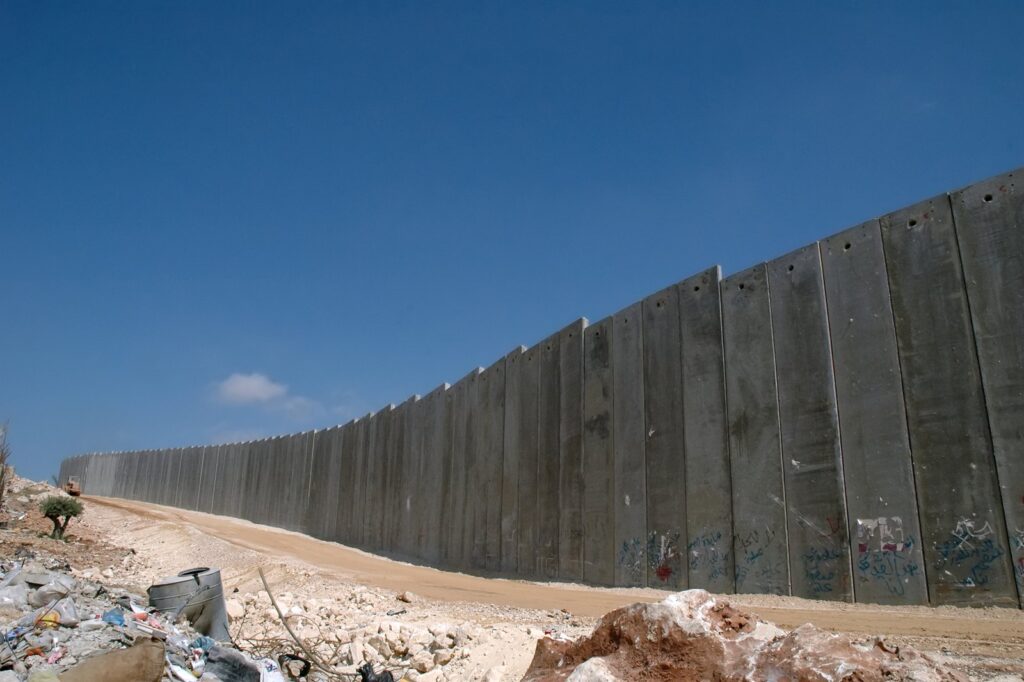
Sixty-one senior Israeli economists put their names to a public letter on Sunday, October 18, 2026, with a blunt message: continued violence against Palestinians and the spread of Israeli communities in Judea and Samaria could invite further international economic sanctions.
The record in the letter is specific. Restrictions imposed by foreign governments, the economists wrote, are already hitting trade, financial relationships, defense transactions and international cooperation. They counted roughly 100 sanctions from more than 50 countries.
A widening list of companies
The letter also pointed to an enlarged United Nations database of companies tied to activity in those communities. By the economists’ account it now lists 214 companies from 11 countries, Israeli financial institutions among them.
Their larger worry is reach. The signatories argued that the diplomatic disputes over the territory need not stay confined to businesses operating there, and that wider sanctions could bring direct costs to Israeli households and companies. They urged the authorities to prevent violence and to weigh the economic consequences of policy in the area. The letter, they stressed, reflects their own assessment.
Pressure from Washington
The warning landed in a week of sharp words from the United States. Secretary of State Marco Rubio said Washington was “very disturbed” by images of settler violence and had asked Israel to “crack down on that stuff,” Reuters reported. He added that the Trump administration would spell out its expectations to Israeli officials.
Ambassador Mike Huckabee went further after an assault on American photojournalist Heidi Levine. He called it a “despicable act of terror” and demanded arrests and long prison terms for those responsible. Levine suffered a broken rib and multiple fractured vertebrae. Israeli police have opened an investigation. Prime Minister Benjamin Netanyahu questioned who the perpetrators were, suggesting Palestinians or “far-left” activists, although reports identified the attackers as Israeli settlers.
The legal backdrop
The West Bank has been under Israeli occupation since the 1967 Six-Day War. Jordan had held it since the 1948 Arab-Israeli War. Israel administers it, except East Jerusalem, which it effectively annexed in 1980, as the Judea and Samaria Area. The territory covers about 5,640 square kilometres and holds an estimated 2,747,943 Palestinians and more than 670,000 Israeli settlers.
The mid-1990s Oslo Accords divided it into Areas A, B and C. Area C, 60% of the territory, is under Israeli control and contains 230 settlements where Israeli law applies. Oslo called for most of it to pass to the Palestinian National Authority by 1997. That never happened. In 2024 the International Court of Justice ruled again that the occupation is unlawful, adding that it breaches the prohibition on racial segregation and apartheid.
Sources
- ECONOMIC WARNING: 61 Israeli Economists Caution That Violence In Judea And Samaria Could Trigger Wider Sanctions
- West Bank
- Trump endorses Netanyahu as officials pressure Israel over settler violence
Photo: Justin McIntosh / wikimedia (CC BY 2.0)




