
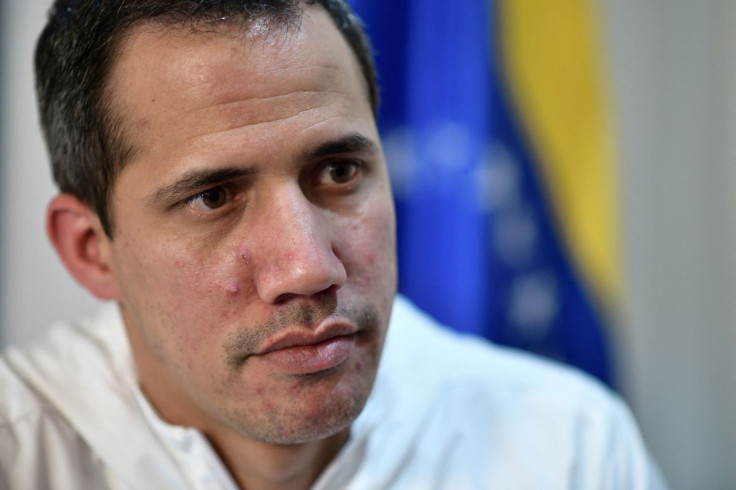
“To annul this is to jump into the abyss.” Juan Guaidó said it as Venezuela’s opposition-run national assembly voted to scrap the interim government he had led since 2019. The vote ran 72 to 29, with 8 abstentions. Guaidó later lived in Miami, a long way from the parallel presidency that once had Washington’s backing.
A student leader turns politician
Guaidó was born on July 28, 1983, in La Guaira. He first stood out in 2007, as a student leader protesting the government’s closure of the independent broadcaster RCTV and Hugo Chávez’s constitutional reforms. Two years later he co-founded the Popular Will party with Leopoldo López, who became his political mentor.
On January 5, 2019, the National Assembly elected him as its head. Eighteen days later, on January 23, he declared himself “interim president,” pointing to Nicolás Maduro’s 2018 reelection as fraudulent. The United States and roughly 50 other countries recognized his claim, according to the Mexican outlet Expansión.
The uprising that did not come
The test came on April 30, 2019. Guaidó called on soldiers to turn against Maduro at a Caracas military base, with López at his side. The defections he needed never arrived. López went on to flee to Spain.
Parliament slipped away next. On January 5, 2020, security forces kept Guaidó out of the assembly building. His allies re-elected him elsewhere, while a rival, Luis Parra, also claimed the assembly’s top post.
The vote to end it
By late 2022 the opposition itself had run out of patience. Justice First, Democratic Action and A New Era backed a plan to dissolve the interim government and put a five-member commission in charge of Venezuela’s foreign assets, chiefly the U.S.-based refiner Citgo. A Democratic Action lawmaker told Al Jazeera, “We need to look for new strategies.”
Guaidó’s own party, Voluntad Popular, fought the move. Polling did him few favors: only 6 percent of Venezuelans said they would vote for him in presidential primaries. The U.S. National Security Council said it would keep backing the opposition “regardless of what form it takes.”
Exile in Florida
In April 2023 Guaidó left for the United States, citing fear of arrest. That autumn he took a visiting professorship at Florida International University. In October 2023, Maduro’s government issued an arrest warrant accusing him of money laundering, treason and usurping public functions.
Expansión reported in January 2025 that he had been living in Miami for months, and that returning to Venezuela would risk arrest.
Sources
- Venezuela Opposition Removes 'Interim President' Juan Guaidó
- Que paso con Juan Guaido, el exlider de la oposicion venezolana? (Expansion, Mexico)




