
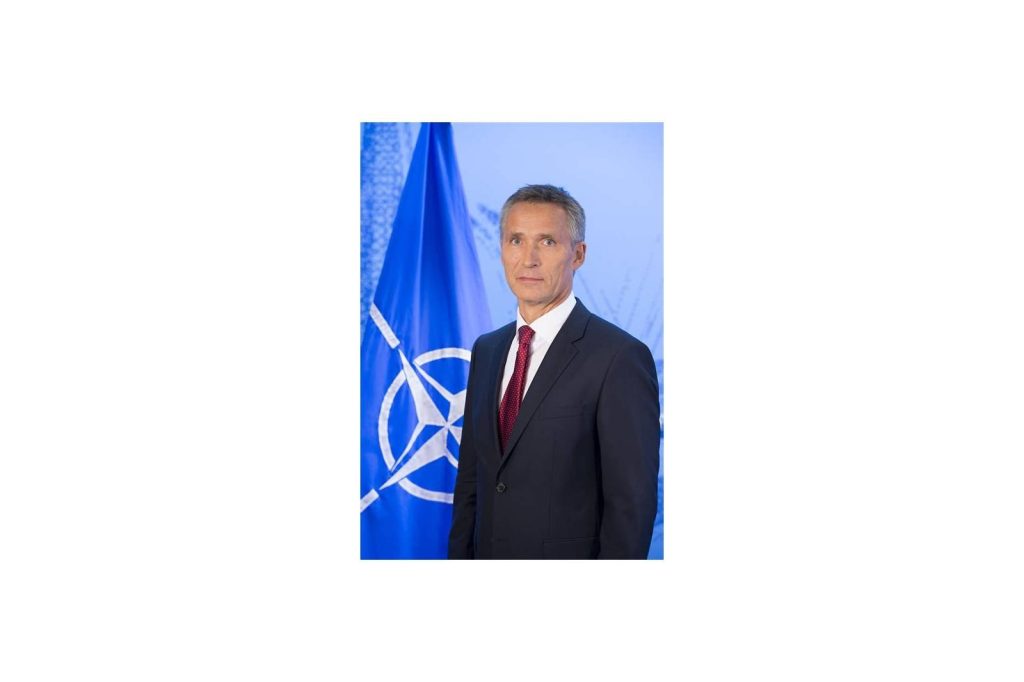
“The one decision that I am most proud of is … to enlarge NATO with Finland and Sweden.” Jens Stoltenberg, who ran the alliance for a decade and is now Norway’s finance minister, said that to Anadolu ahead of the July 7-8 summit in Ankara.
He did not claim it was easy. The move was neither obvious nor automatic, Stoltenberg said, given how long both countries had stayed neutral. “Finland and Sweden have been neutral for centuries. For Sweden, neutrality has been part of its identity. Finland was, of course, part of Russia at some stage and also had a security arrangement with Russia,” he said.
Finland formally joined on April 4 2023, and Sweden became a full member on March 7 2024. Both had filed their joint applications in May 2022, after Russia’s war in Ukraine began. Stoltenberg thanked Turkish President Recep Tayyip Erdogan for cooperating through the process.
What he wanted from Ankara
His main hope for the summit was a show of unity. Allies still differ on trade, Iran and climate change, but he said North America and Europe should tell the world that “we stand together, we protect each other, we are safer together than apart.” He also wanted fresh backing for Ukraine, “because we live in a more dangerous world and, therefore, we need a united and strong NATO.”
Stoltenberg argued that NATO exists to prevent war, not to fight one. Credible deterrence, in his telling, leaves Moscow or anyone else no room for “miscalculation” or “misunderstanding” about what happens if one ally is attacked. “As long as that message is credible, there will be no military attack because NATO is by far the strongest military alliance in the world,” he said.
Ukraine, Asia and the unknown
The war in Ukraine remains the 32-member alliance’s most urgent security challenge, he said, because it is close to allied territory and involves Russia, “which for decades has been NATO’s main challenge.” He also pointed to possible flashpoints in the South China Sea and Taiwan, and to tension in the Middle East.
Prediction, he admitted, is a poor guide. “It’s very hard to predict what the next crisis or war will be because there is so much uncertainty,” he said. “So, instead of trying to foresee the unforeseen, we need to be prepared for the unforeseen and be able to respond to any crisis or conflict.”
Why Turkey matters
Stoltenberg called Turkey a key NATO ally for many years. He cited its location on the border with Iraq and Syria and its part in the fight against terrorism, including Daesh. Control of the Turkish Straits and closeness to Russia in the Black Sea add to its weight, he said, as does an army that is among the largest in the alliance.
He congratulated Ankara on hosting. “It will be an important summit and I’m absolutely certain it will be a successful summit, not least because Türkiye is really committed to the alliance,” he said.




