
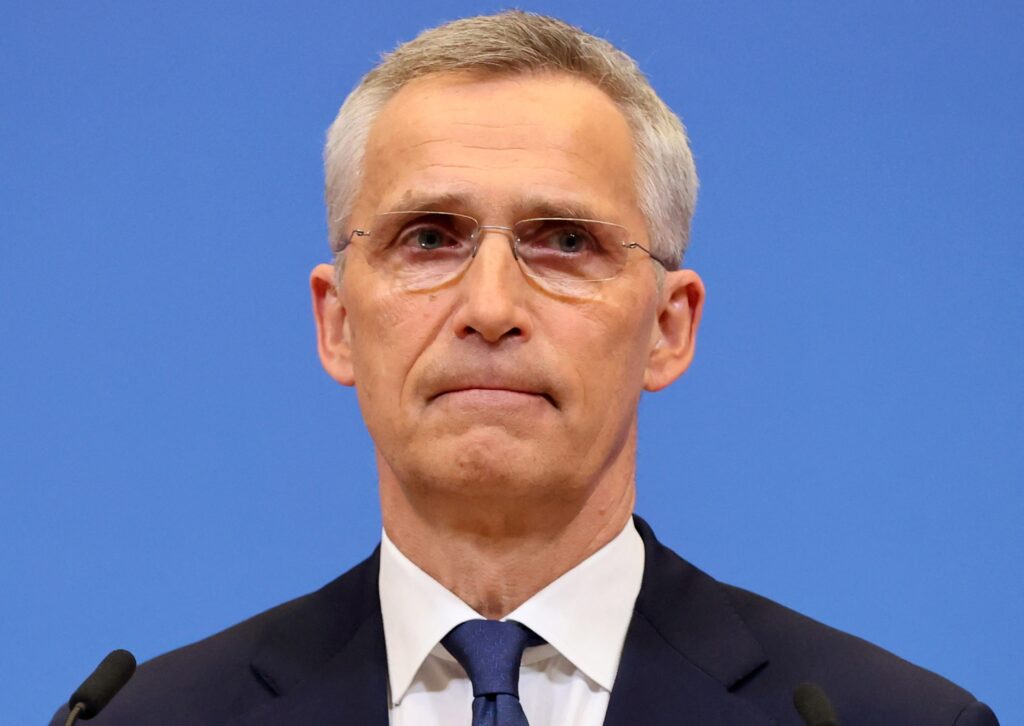
The money question came with the job. After Russia annexed Crimea, NATO members pledged to put 2 per cent of national output into defence. A decade after Jens Stoltenberg took charge, on Tuesday, October 1, he passed the job to Mark Rutte, the former Dutch prime minister, at a ceremony in Brussels.
Stoltenberg, who is 65 and once led Norway’s government, got the post in March 2014. Russia had annexed Crimea only days earlier and started arming separatists in eastern Ukraine. Only the Dutch diplomat Joseph Luns, who ran the alliance for 12 years, stayed longer.
A decade of shocks
The list of crises is long. Afghanistan ended that same year after an 11-year NATO mission. Then came the failed 2016 coup attempt in Turkiye, the arrival in 2017 of a US president skeptical of the alliance, Turkey’s 2019 invasion of northern Syria and mounting Russian aggression. After 2022, CNA wrote, the bloc faced its worst crisis in over 30 years. Oana Lungescu, then NATO’s principal spokesperson, said the invasion came as a “shock” but the bloc was ready: “Within hours of Russia’s full-fledged invasion, (Stoltenberg) called a meeting of the North Atlantic Council.”
Membership grew. Montenegro joined in 2017 and North Macedonia in 2020. Finland and Sweden followed after the invasion, bringing the alliance to 32 members. David Quarrey, the British ambassador to NATO, credited Stoltenberg’s temperament: “He has been both a finance minister and a prime minister. He knows (what is) the right thing to do … even if it’s difficult.” Stoltenberg also steered the alliance toward threats well beyond its borders, including Arctic operations, cybersecurity and a position on China.
The handover
At his farewell, he stressed that no country can handle today’s competition alone: “Investing in the transatlantic relationship is the only winning way forward.” An end to the war, he added, would be reached only at the negotiating table. He described the alliance he left as in safe hands.
Back in June, Stoltenberg had called Rutte “a very strong candidate” and “a close friend and colleague,” after Hungarian Prime Minister Viktor Orban said Budapest would back him. Rutte needed the support of all 32 leaders. At his first press conference he urged allies to “significantly increase defense spending,” and he said that ending the war mattered for Europe’s peace and safety. “It is a big job, and I have big shoes to fill,” he said at the handover.
The worries he inherited included a US presidential election the following month. DW reported that a Trump win might unsettle the alliance the way his first term did, when he leaned on members over spending. Rutte said he was not worried, having worked with Trump for four years. Stoltenberg was expected, according to Reuters, to move on to chair the Munich Security Conference.
Sources
- NATO Sec-Gen Stoltenberg passes the torch after a decade capped by Ukraine war | CNA
- NATO Sec-Gen Stoltenberg passes the torch after a decade capped by Ukraine war (continued) | CNA
- Mark Rutte takes over as NATO chief | DW
- Stoltenberg considers Rutte very strong candidate for post of NATO Secretary-General | RBC-Ukraine




