
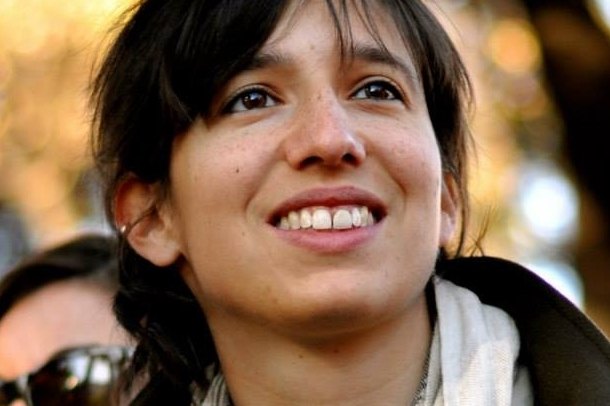
Italian voters go to the polls before the end of 2027, and Elly Schlein, who leads the opposition, has already set out where she differs from Prime Minister Giorgia Meloni on the biggest questions in foreign policy. She laid them out in an interview with The New Republic.
Ukraine
Schlein wants Italy to keep backing Kyiv, as her Democratic Party always has. “Putin has rewritten borders with the use of military force,” she said. She argues that Trump is “too sensitive” to Putin’s arguments, and that no just and lasting peace can be negotiated “without the people who were criminally invaded sitting at the table.”
Gaza and the West Bank
On the Middle East she tries to defend both Israelis and Palestinians. She welcomed the ceasefire, but said Trump’s peace plan lacked two points: an end to the illegal occupation of the West Bank and a clear route to recognizing a Palestinian state alongside Israel. Hamas, she said, “cannot be the future of Gaza”, and the Palestinian Authority “must go through reforms”. She also said Benjamin Netanyahu and his extremist ministers, along with Trump, must answer for violating international law.
NATO spending
Schlein says she would not have accepted Trump’s demand that allies spend 5 percent of gross domestic product on their militaries. In her view it “will be the end of the economy and welfare of this country.” She holds up Spain’s Pedro Sanchez as the model: loyal to the alliance, willing to meet its capacity objectives, but unwilling to give in to Trump.
Europe
A former member of the European Parliament, Schlein calls herself “so passionate” about European federalism. No single European country, she says, can handle wars, inequality, climate change or pandemics alone. She backs an EU-wide platform on AI and digital policy, which she frames as a matter of “national security”.
The coalition problem
These positions are exactly where her alliance is most fragile. The Democratic Party is the largest member of a coalition of smaller parties, and the writer notes internal disagreement over pacifism, joining a European defense pact, and strategy on Ukraine and on Israel and Palestine. Schlein, who is 41, has to manage those differences quietly if she wants to unseat a government led by the Brothers of Italy, a party that partly descends from Benito Mussolini’s old one.
Two recent votes point different ways. Meloni lost a March referendum on changing the constitution to reduce the judiciary’s role, with young voters turning out at 67 percent. Then the right held off most challenges in late May municipal elections, winning in Venice and Reggio Calabria.




