
TEHRAN, July 25 — Iran’s military support for Russia’s war in Ukraine has moved from a trickle of drones to a potential pipeline of ballistic missiles, yet Tehran continues to dodge direct accountability even as the evidence mounts.
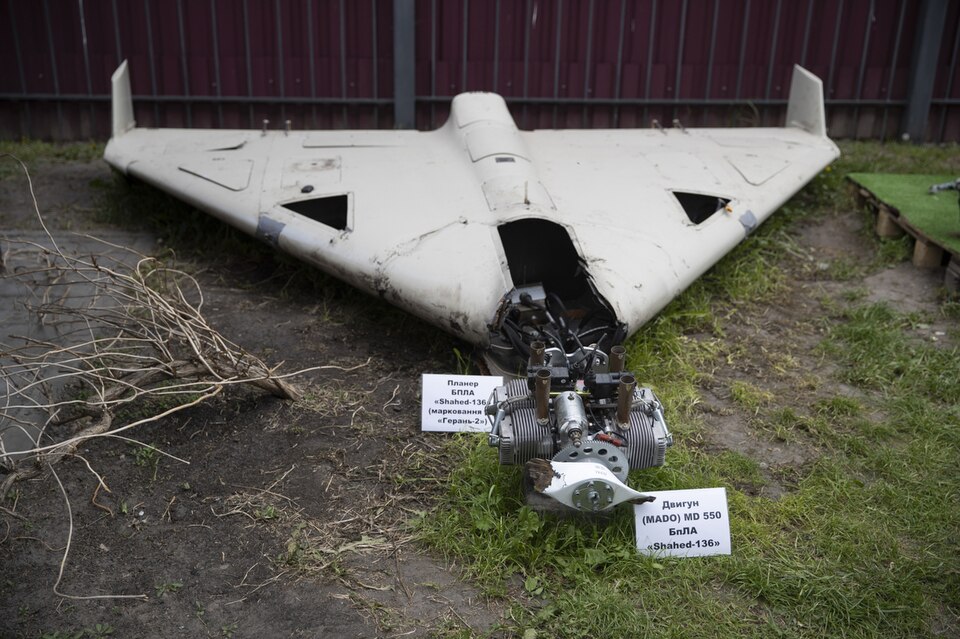
The mechanics here are worth dissecting. It began in August 2022, when Russia first deployed Iranian-made Shahed-136 loitering munitions against Ukrainian infrastructure. By the following month, Ukraine reported that Russia had used over 200 of these drones. The United States and the United Kingdom confirmed that Iran had shipped hundreds of the systems to Russia via the Caspian Sea. Iran’s initial response was a flat denial — only later did it acknowledge providing a “small number” of drones before the war, a formulation designed to minimize culpability.
The catch is that the pattern repeated when Iran moved toward the next tier of hardware. In early 2023, Western intelligence reported that Iran was preparing to send ballistic missiles to Russia — specifically the Fateh-110 and the Zolfaghar, with ranges of 300 to 700 kilometers. Iran continues to deny supplying those missiles. But the denial rings hollow given the track record.
From Drones to a Drone Factory
The transfer of finished weapons was only one piece. In December 2023, White House national security spokesman John Kirby stated that Iran had provided Russia with materials to build a drone factory in Yelabuga, Russia. That factory would allow Russia to manufacture Iranian-designed drones domestically, reducing the need for direct shipments and giving Iran a layer of plausible deniability. On closer reading, this is a classic Iran playbook: provide the means of production, then claim non-involvement in the attacks.
Iran and Russia have also deepened military cooperation through joint exercises and arms fairs. The relationship is not transactional — it is structural. Yet the diplomatic cost to Iran has been real. The European Union, the United Kingdom, and the United States have all imposed severe sanctions on Iran specifically for these arms transfers. The UN Security Council did not take action because Russia wields a veto, leaving the multilateral response toothless.
The Escalation Question
Ukraine severed diplomatic ties with Iran in July 2022, after the drone shipments came to light. In a separate symbolic move, Iran recognized Russia’s annexation of Crimea in a 2022 vote. Ukraine’s Foreign Minister Dmytro Kuleba stated in December 2022 that Iran should be held accountable for war crimes.
The question that now hangs over 2026 is whether Iran will escalate further. A threat from Iranian media in 2025 signaled that Iran is prepared to move beyond drones — possibly using its own ballistic missiles launched from Iranian territory or through proxies. The question remains whether Iran would risk direct retaliation from Ukraine and its allies. That calculus has not changed: Iran hedges its bets, supplying just enough to keep Russia in the fight without crossing the threshold that would trigger a direct military response against its own soil.
The story is not finished. Iran continues to deny the ballistic-missile transfers. But the machinery of denial is wearing thin, and the factory in Yelabuga is unlikely to stop producing.




