
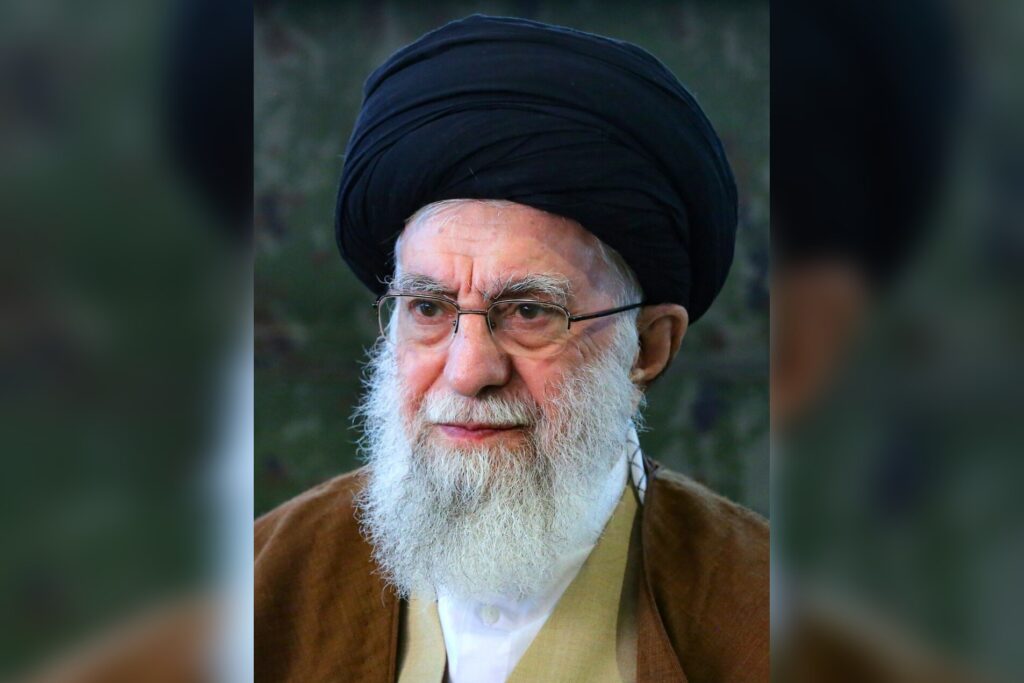
Ali Khamenei, the 86-year-old supreme leader who had the last word on Iran’s military and foreign policy, was killed in a U.S. and Israeli airstrike on his Tehran residence on February 28, 2026. The strike opened a war that is still shaping who controls the Strait of Hormuz.
Within days, Iran’s 88-member Assembly of Experts picked his son. Mojtaba Khamenei, 56, a cleric with ties to the security establishment, became the country’s third supreme leader. Russian President Vladimir Putin wrote that “Russia has been and will remain a reliable partner of the Islamic Republic.” China’s Foreign Ministry spokesman Guo Jiakun said the choice “was carried out in accordance with the country’s constitution.” President Donald Trump took a different line, saying the new leader “won’t last long” without his administration’s approval.
The strait stays shut
The practical upshot for the rest of the world arrived on March 12. In his first public statement, delivered on state television, Mojtaba Khamenei said: “Certainly, the lever of blocking the Strait of Hormuz should still be used.”
About one-fifth of the world’s annual oil supply moves through that waterway. Crude prices climbed above $120 per barrel, fell below $100, then settled near $92 that Thursday morning. An IRGC spokesperson, quoted by Al Jazeera, said not “a litre of oil” would pass and that any vessel tied to America, Israel or their allies would be “a legitimate target.”
The International Energy Agency called the conflict “the largest supply disruption in the history of the global oil market.” Member nations agreed to release 400 million barrels from emergency reserves.
What it means
For years the final call on the strait sat with one man. Think of it like a single key to a single door. That key now sits with his son, and the early signal is that he intends to keep the door closed. Iran, for its part, has answered the strikes with drone and missile attacks on Israel and on Gulf nations that host American military facilities. President Masoud Pezeshkian described the succession as a boost to national unity.
Sources
- Russia and China Pledge Support to Iran's New Supreme Leader Mojtaba Khamenei
- Iran's New Supreme Leader Says Strait of Hormuz Will Stay Closed




