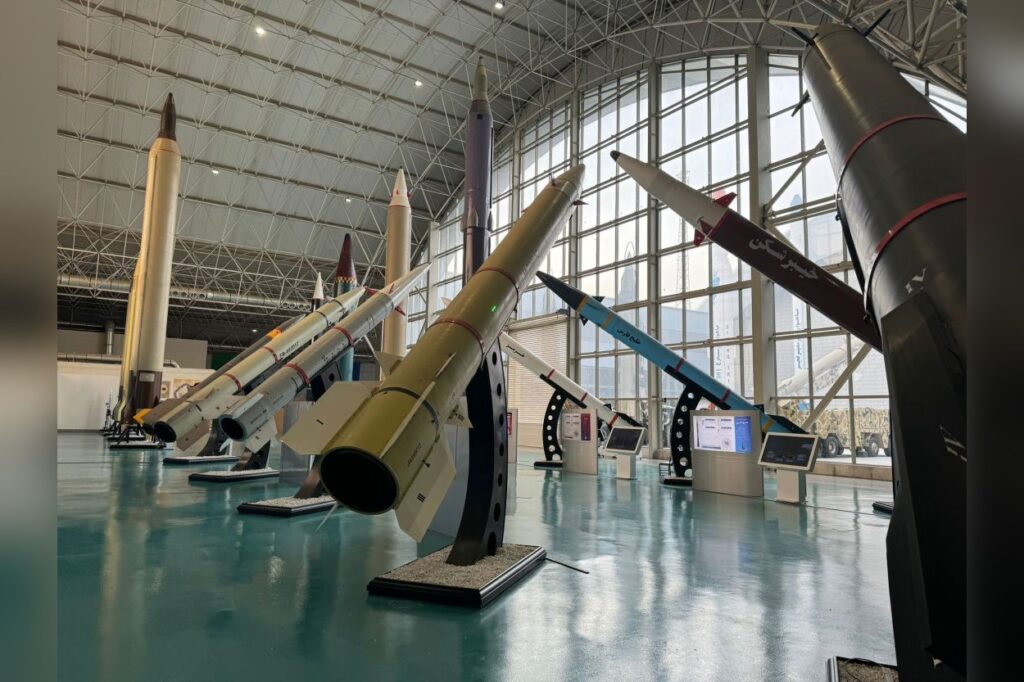
By the time U.S. Central Command called time on its third round of strikes in a week, the tally read like a procurement order: roughly 140 Iranian targets hit on July 11 alone, more than 300 over three nights. The list included missile sites, drone sites, ammunition stores, communications networks and coastal surveillance posts.
The trigger was a container ship. Revolutionary Guard forces hit the M/V GFS Galaxy as it crossed the Strait of Hormuz. The ship flew the Cypriot flag, and a civilian crew member was reported missing. Fire and engine-room damage left the ship unable to continue. Washington’s answer was to go after the hardware that makes such attacks possible.
The mechanics of the target list
The logic is simple. Cheap missiles and drones are how a weaker navy threatens the world’s most important oil lane, so CENTCOM went for launchers, factories and the stores behind them. Land- and sea-based fighters, drones and naval vessels delivered the munitions. Later, according to Gulf News, the U.S. used one-way attack sea drones for the first time.
The catch is geography. Most of these sites sit along the coast, and the campaign leaned on that. Khuzestan, Bushehr and Hormozgan took the early blows, with Bandar Abbas absorbing the first wave. Qeshm, Abu Musa and Kish were hit. Later strikes reached bases in Sistan and Baluchistan on the Gulf of Oman.
Then the target set widened. State television images showed damage to six bridges and a tunnel near Bandar Abbas, apparently meant to isolate the Guard bases there. A rail junction to the west of the port was hit as well. A maritime communications tower was destroyed on July 17, and a second one went down about 120 kilometers (75 miles) along the coast. In Khuzestan, power failed in places and an agricultural pumping station was hit, killing one person, local officials said.
What it has bought
Not as much as the numbers suggest. Gulf News described the renewed campaign as less fierce than the opening of the war on Feb. 28, when the U.S. and Israel struck hundreds of military targets in the first 100 hours and killed senior Iranian leaders, Ayatollah Ali Khamenei among them. Iran’s Health Ministry put the war’s dead at 3,434, including 55 in the latest escalation.
And Iran did not back off. It declared the strait closed again “until further notice” and turned on its Gulf neighbors, AP reported: the UAE, Qatar, Kuwait and Bahrain. Qatar raised its security alert level twice in one day. At least four American soldiers have been killed in attacks on Gulf states that host U.S. bases.
The rhetoric hardened too. Parliament Speaker Mohammad Bagher Ghalibaf wrote on X that “the era of one-sided deals is OVER” and said Iran had “zero trust” in Washington. Iranian officials accused the U.S. of breaking the ceasefire agreements.
The pattern repeated into the late summer. A Khuzestan deputy governor told IRNA that missiles struck three locations near Ahvaz and Aghajari, leaving seven dead and eight hurt, after CENTCOM announced attacks on Guard targets. Iranian media also reported blasts on Qeshm Island and along the southern coast.
Sources
- US completes third round of strikes in Iran after hitting 140 targets, Qatar intercepts missile | Top Updates | Today News
- Escalation in the Strait of Hormuz: How Expanding US Airstrikes Are Hitting Iran’s Bridges, Infrastructure and Interior
- 7 killed, 8 injured in US strikes on Iran’s Khuzestan province