
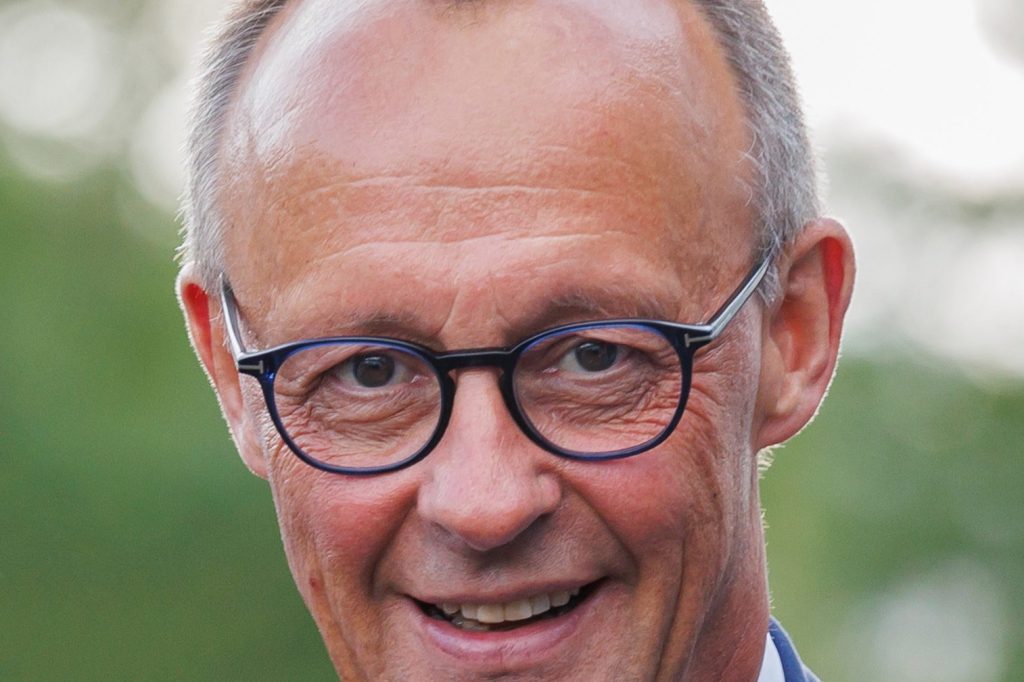
Saxony-Anhalt votes on September 6, and polling suggests the far-right Alternative für Deutschland could win an absolute majority there. That would rewrite German post-war history, the European Council on Foreign Relations (ECFR) argues in a new analysis, and turn the “never again” mantra into “actually, maybe.”
It lands on a chancellor in trouble. Friedrich Merz’s approval ratings are scraping the bottom, as the Rhine and Danube have. His conservative CDU spent the summer fighting itself over pension reform, and a botched cabinet reshuffle did not help. Some of his own staunchest supporters are openly asking whether he is still up to the job.
The eastern vote
The AfD, the CDU and the Left may be the only parties to clear the 5 percent threshold for the state parliament. Two weeks later, Berlin and Mecklenburg-Vorpommern also elect new parliaments. The centre looks a little healthier in those two, but complicated three-party coalitions are the likely result in both, and that will weigh on the federal government.
The CDU leadership insists its “firewall” against any coalition or cooperation with the AfD must hold. Local politicians and conservative thinkers in and around the party increasingly question that. The arithmetic explains why. The liberal Free Democrats, the CDU’s preferred partner, are struggling to clear 5 percent almost everywhere, so ruling out the AfD leaves the party leaning on centre-left coalitions. Critics say that strips it of options.
An AfD minister-president in any German state, the ECFR writes, would demonstrate that the political establishment cannot offer a convincing vision for the country’s economic, political and social future.
A government short on reform
Germany’s economy has gone through six years of paltry growth. Its traditional industries want protection from China, U.S. tariffs and energy price shocks. German leaders, the ECFR says, have announced more reforms than they have delivered, and the Merz government too often looks backward: to the combustion engine, looser labour rights, family values.
China is the one area where it seems ready to change course, promising a more active European stance on protecting markets. Merz himself said that shift was enabled by the altered posture of the German car industry, not by his own leadership.
The AfD fills the gap with a revisionist platform: sharply curb immigration and asylum, reverse key parts of the energy transition, challenge European integration, end the euro and pursue a nationalist foreign policy. The party has been part of German politics for more than a decade. The ECFR calls its strength a symptom rather than a cause.
Pressure is coming from outside too. The war in Ukraine, volatility in America and the conflict over the Strait of Hormuz are stretching German leaders’ attention and the country’s budget. An epic drought has shrivelled what hope remained of an economic recovery.
Why Europe cares
The authors expect the damage to travel. Germany is Europe’s most populous member state and sits at the heart of the EU. A country losing 15,000 industrial jobs a month, growing more reliant on imported technology and less able to reform itself, risks dragging the continent toward fragmentation, they write. Items on the EU agenda from the next multiannual financial framework to rearmament and support for Ukraine would all suffer.
“German leadership is not optional,” Sweden’s defence minister said at a public event this month attended by one of the authors.
The ECFR also points to a possible succession. Speculation is growing that Hendrik Wüst, minister-president of North Rhine-Westphalia, could replace Merz as chancellor this autumn.




