
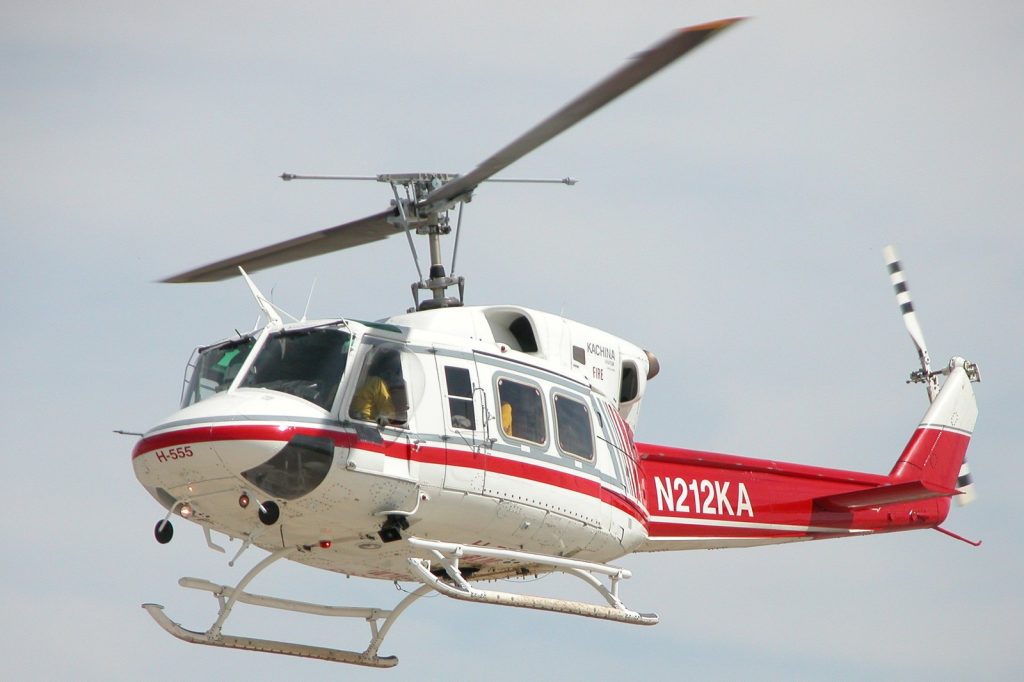
On 19 May 2024, a Bell 212 helicopter went down in the mountainous region of Varzaqan, claiming eight lives, including President Ebrahim Raisi and Foreign Minister Hossein Amir‑Abdollahian. The accident has sent shockwaves through Iran and the wider Middle East, prompting a comprehensive investigation into the cause of the crash.
The Bell 212 is far from an obscure machine. First introduced in 1968, the twin‑engine, two‑blade rotorcraft was originally built in Fort Worth, Texas, before production moved to Mirabel, Quebec, in 1988. Designed to carry up to 15 passengers and capable of an external lift of 5,000 pounds, the helicopter has served a variety of roles—search and rescue, medical evacuation, cargo transport, and passenger service—making it a workhorse in many air fleets.
Despite a generally strong safety record, the aircraft’s long service life—over five decades of continuous production and operation—means it has accumulated extensive flight hours and inevitable wear. The crash therefore raises questions about whether mechanical failure, pilot error, adverse weather, terrain challenges, or other factors such as sabotage might be involved.
Investigators will review the helicopter’s maintenance logs, pilot training records, and flight‑data if recoverable, while also considering the impact of sanctions that have limited access to spare parts. The loss of both the head of state and the chief diplomat in a single incident is unprecedented for Iran. Raisi’s death removes a known political figure, and the vacancy in the foreign ministry creates a diplomatic void at a time when Iran is engaged in proxy conflicts and stalled nuclear negotiations.
The succession process for the presidency and the appointment of a new foreign minister will be closely watched, as any shift in policy could affect regional stability. International reactions are expected to be measured yet attentive.
Even nations with strained relations to Tehran will seek clarity on the circumstances of the crash, given its potential implications for Iran’s internal cohesion and external posture. The investigation, which will likely extend over weeks or months, must contend with the rugged Varzaqan terrain that complicates wreckage recovery and evidence gathering. For the Iranian public, the tragedy has sparked profound grief and a demand for answers.
While transparency has not traditionally been a hallmark of the Iranian government, the global spotlight may pressure officials to provide a thorough account of what led to the accident. As the wreckage is painstakingly examined and witness statements are collected, the broader significance of the crash will become clearer.
The Bell 212 itself will undergo scrutiny; although its design remains reliable, its age and the constraints imposed by sanctions could have contributed to the disaster. Nonetheless, the aircraft’s historic service record underscores the magnitude of the loss. Ultimately, the Varzaqan crash marks a turning point for Iran.
The immediate aftermath will involve appointing new leadership, reassessing security protocols for high‑level officials, and monitoring any resultant shifts in the nation’s strategic direction. The world will be watching closely for signs of instability, weakness, or change as Iran navigates this unprecedented political earthquake.




