
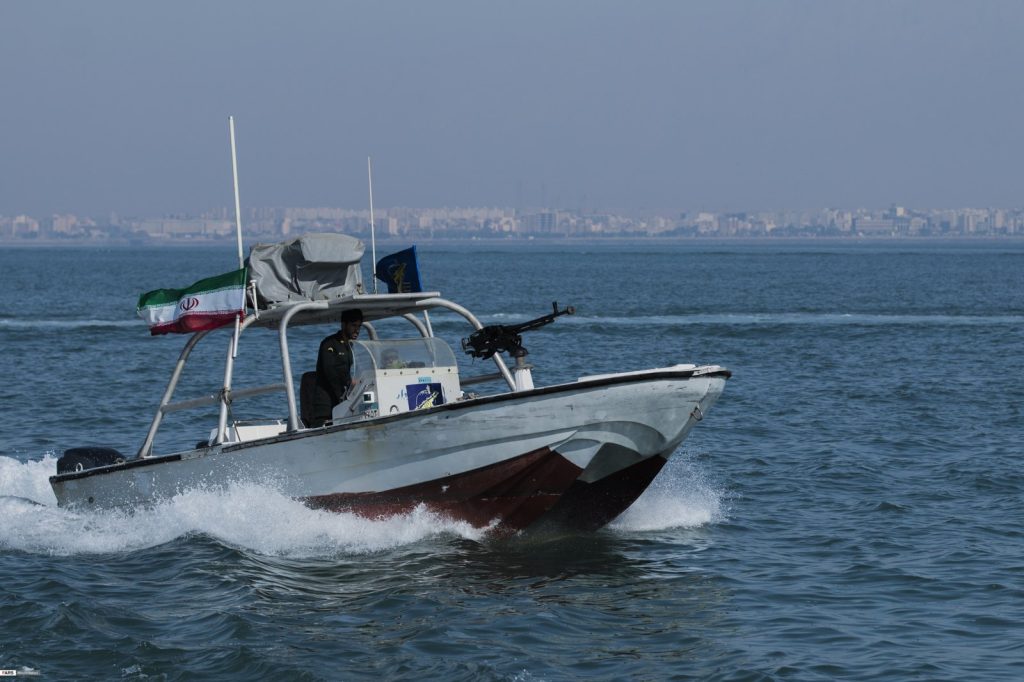
US Central Command said it hit 10 Iranian military targets early on June 28, citing “continued Iranian aggression against commercial shipping”. Iran said it answered with strikes on American bases in Kuwait and Bahrain. Both Kuwait and Bahrain condemned the attacks.
Later that day, Foreign Minister Abbas Araghchi warned ships off any route Tehran had not approved. “Any attempt to adopt new or separate arrangements compared with what is underway by the Islamic Republic of Iran, will only lead to more complicated situations and delays in the reopening of the Strait of Hormuz, and will increase the tensions,” he said.
A dispute over which side of the strait
The trigger was an announcement from Oman earlier in the week. Muscat unveiled an alternative lane that follows the Omani shoreline and said it was set up together with the International Maritime Organization. Iran was angered. It wants vessels to use a corridor near its own coast, yet dozens of ships have taken the opposite side this week.
In normal times a fifth of the world’s oil and liquefied natural gas moves through the strait. Iran kept most ships out during the war, which the United States and Israel started in February, and that gave it heavy economic leverage. It did not control passage before the fighting. The strait is made up of Omani and Iranian territorial waters, and under customary international law neither country can generally block traffic or charge tolls.
The Revolutionary Guards said they were taking steps to manage traffic and that violators would face firmer treatment than before. Mohammad Mokhber, an adviser to Iran’s supreme leader, wrote on X that while Iran ran the strait, Washington’s “hegemonic dreams in the region will not be realised”.
A Pakistan-brokered agreement is meant to end the war. Its published text says Iran will define the strait’s future administration in dialogue with Oman and the other Gulf states, but “in line” with international law. A ceasefire has held on paper since April, though violence has flared repeatedly, and ships in the strait are often the spark.
H.A. Hellyer of the Royal United Services Institute in London expects more incidents. For Iran, he said, “a drawn-out negotiation accompanied by controlled pressure in the strait can work to its advantage”.
The exchanges of fire have mostly produced no reported casualties. One exception: Qatar’s interior ministry said a Qatari citizen died aboard a boat from shrapnel tied to “military operations in the area”. He was found on June 28 after the boat missed its expected return to port the day before.
Lebanon front
Separately, the Israeli army destroyed a tunnel in southern Lebanon on June 28. Prime Minister Benjamin Netanyahu and Defence Minister Israel Katz said it ran more than 200m, reached a depth of over 25m and held hundreds of weapons and several launch shafts. Hezbollah called the strike a “blatant violation” of the ceasefire and said it reserved the right to respond.
It came two days after Israel and Lebanon signed a US-mediated framework agreement in Washington. Hezbollah lawmaker Hassan Fadlallah warned of “internal conflict” in Lebanon and predicted the deal would never be put into practice. It includes plans to disarm Hezbollah. Tehran has insisted that Lebanon be covered by the wider peace settlement.




