
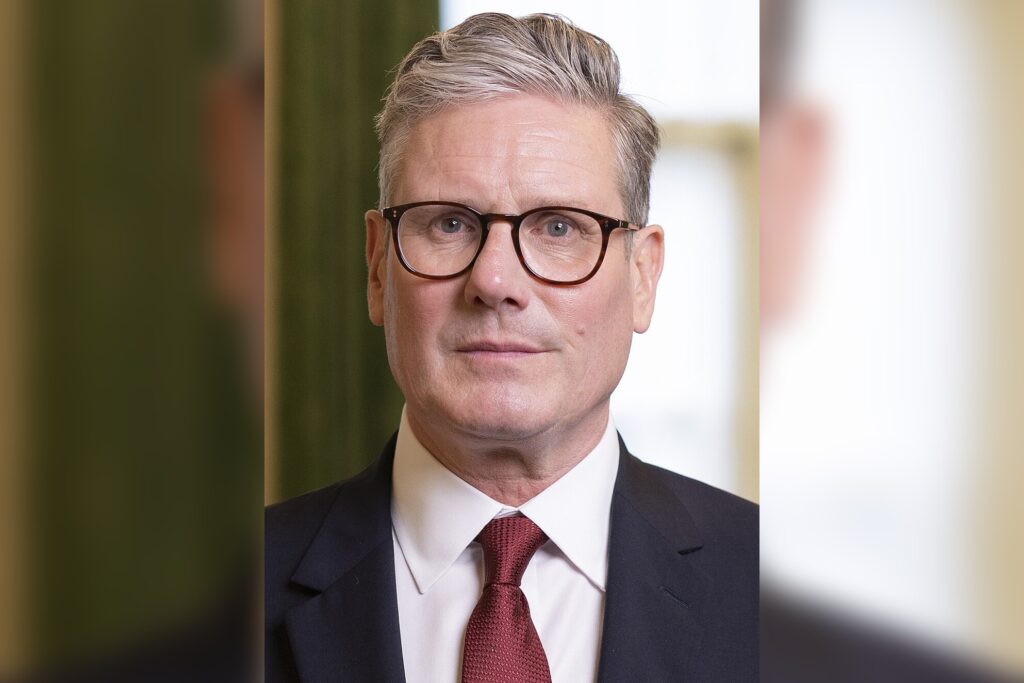
Keir Starmer resigned on a Monday, less than two years after leading Labour back into government. Veteran Labour politician Andy Burnham, most recently Mayor of Greater Manchester, is set to replace him. Starmer made the announcement outside 10 Downing Street, the same spot where he told cameras after the 2024 landslide that change was “not like flicking a switch; this will take a while”.
That day, Labour staffers drank in the sun at The Red Lion pub on Whitehall. Starmer was only the fifth Labour leader to carry the party from opposition into power, and he promised to “end the chaos” after 14 years out of office and a Conservative Party that had spent its last years in government consuming its own leaders. This time, staffers were back at the pub, ABC reported, but the mood had gone.
How the slide started
Trouble came fast. Less than a month into the job, Starmer cut the universal winter fuel allowance, a lump sum that helps older Britons with heating bills. Some polls claimed his approval fell by 45 per cent soon afterward. He later softened parts of the policy, but the damage stuck.
More followed. He was accused of courting conservatives when he said “Britain risks becoming an island of strangers” in a speech last May. His deputy, Angela Rayner, quit in September amid questions over whether she underpaid stamp duty on an investment property. And Starmer struggled to explain how a close friend of the sex offender Jeffrey Epstein became Britain’s ambassador to the United States.
After local elections in May went badly, he said: “The results are tough, they are very tough. That hurts, and it should hurt, and I take responsibility.”
Allies baffled by the venom
Tom Baldwin, a friend and former adviser, admitted Starmer made errors of judgement and could sound dour. But the scale of the hostility puzzled him. “He’s kept us out of wars, he hasn’t crashed the economy, there hasn’t been some defining financial scandal or law breaking,” he told the ABC. “You go to football matches and people are chanting Keir Starmer and the next word rhymes with anchor … it’s now a sort of cultural phenomenon.”
Starmer’s circle held that Labour had delivered. In under two years the government widened free childcare, sharply cut net immigration and gave renters more rights.
Baldwin argued the anger was bigger than one man. “The last five prime ministers have actually been the five most unpopular prime ministers in polling history,” he said, adding that this pointed to “deep unhappiness and inequality, both through class, through regions, through generations.”
Writing in The Guardian in May, Samuel Earle made a related point. Plenty of prime ministers, from Thatcher to Blair to Johnson, were despised by some. Starmer, he wrote, seemed despised across the board, and hatred has become a currency online. Earle’s sharper charge was that Starmer never won over any particular group of voters who would defend him. Left-wing MP John McDonnell told LBC the animosity was “beyond anything I’ve ever experienced”.
Brexit, Reform and a short fuse
Catherine Haddon, a senior fellow at the Institute of Government, traced the instability to the 2016 Brexit vote. Both big parties, she said, “have really struggled” to read what it said about voters. Nigel Farage’s Reform Party has since grown, and the Greens have gained on the left. Leaders in government also look like part of the establishment, while Farage “has been a very good media operator”.
Labour MPs in marginal seats panicked at the polls. Catherine West became one of the first to call publicly for Starmer to go, saying she needed to “pivot to street-fighter mode to take on Reform”. For some colleagues, removing him looked like a circuit breaker.
Phillip Collins, a former speechwriter for Tony Blair, said impatience in the press and public is part of it. “If you’ve got a country where people haven’t had a pay rise in 15 years, that is going to be a country where politics is turbulent,” he said. Haddon rejected the idea that Britain has become ungovernable, pointing to the volume of policy Starmer’s government developed.
Sources
- Britain’s visceral dislike of Keir Starmer illuminates a problem for his successor | Samuel Earle
- If the UK has become ungovernable, some people say Brexit is to blame




