
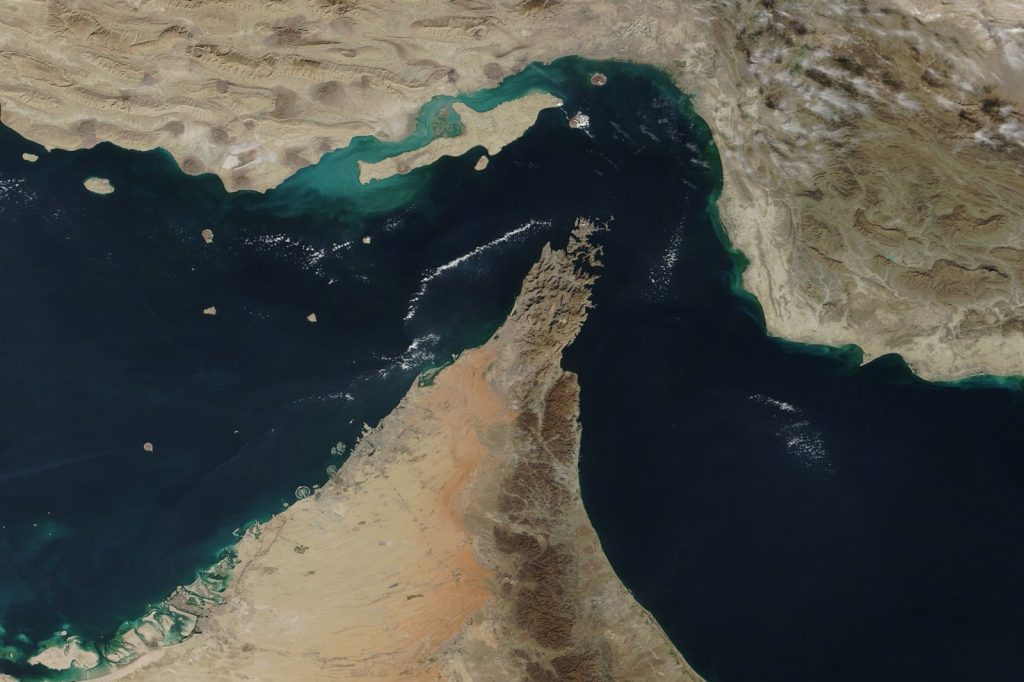
Senior U.S. officials told CBS News on Friday that Iranian officials have privately admitted to Trump administration advisers that firing on commercial ships in the Strait of Hormuz was a mistake. Tehran pinned the blame on what it described as an “errant” faction of hardliners trying to sink the negotiations, the officials said, and signaled it still wants to talk.
The admission has not been made in public, and Iran disputes the accounts. Foreign Ministry spokesperson Esmaeil Baghaei said Tehran had not requested negotiations with Washington. It had accepted a regional mediator’s request to visit Iran and discuss recent developments, he said, in a meeting held Friday in Mashhad where Iran conveyed its positions to the Qatari side.
Ceasefire declared over
The same day, Trump said the ceasefire was finished, one day after Ali Khamenei was buried. “We have agreed to Iran talks, but the United States has stated to them, in no uncertain terms, that the ceasefire is over,” he said. Renewed military exchanges had already raised doubts about the temporary memorandum signed last month.
He also told the New York Post what would follow if Tehran succeeded in killing him. “I’ve left instructions — if anything happens, to just literally bomb them at levels that they’ve never seen before,” he said.
Calls for revenge were spreading in Iran. Ahmad Reza Hajati, the Friday prayer leader in Ahvaz, urged anyone with missiles or drones to kill the U.S. president. IRGC commander-in-chief Ahmad Vahidi called punishment of those behind the killings of Khamenei and several military commanders a “certain, legitimate and unforgettable demand.”
Who is meeting whom
The administration wants Iran to say publicly that the Strait is open and that it will stop firing on commercial ships, Axios reported, citing U.S. officials. Washington expects confirmation after Saturday’s talks in Oman that shipping will run as it did before the conflict.
Plans were less settled than that sounds. Axios said a new round might come next week, possibly in Switzerland, and Al Arabiya reported that technical teams were due to meet in Pakistan on Sunday, July 12. IRNA said Foreign Minister Abbas Araghchi would lead a delegation to Oman on Saturday. A source close to Iran’s negotiating team told Fars News that preparations for new talks had not been finalized. Qatar and Pakistan kept up mediation.
Israel’s Defense Minister Israel Katz said on X that the military was prepared “at all times for any scenario in attack and defense.” Mohammad Bagher Zolghadr, secretary of Iran’s Supreme National Security Council, warned that an attack on Iranian infrastructure would draw a reciprocal response, and that Israel would not be spared.
The cost at home
By the numbers, Iranian households are under strain. Data cited from the Statistical Center of Iran put annual inflation at about 66%, with year-on-year inflation up roughly five percentage points in a month to above 88%. Food and beverage inflation has passed 130%. Red meat and poultry are up nearly 180% from a year earlier, according to Iranian market reports.
The minimum wage of around 16.6 million tomans covers less than 40% of an estimated 45-million-toman subsistence basket for an average family, outlets including ILNA and Etemad noted. EcoIran estimated that a person needed around 78 million rials in June to meet minimum nutritional needs. Many families also spend between 50% and 70% of income on housing.
Economist Kamran Nadri told Tejarat News that since 2018 Iran has averaged inflation of around 40 to 45 percent a year, while wages failed to keep pace.
Sources
- Iran told Trump advisers "they made a mistake" in shooting at ships in Strait of Hormuz – AOL
- Iran tells Trump advisers it made mistake in Strait attacks – CBS




