
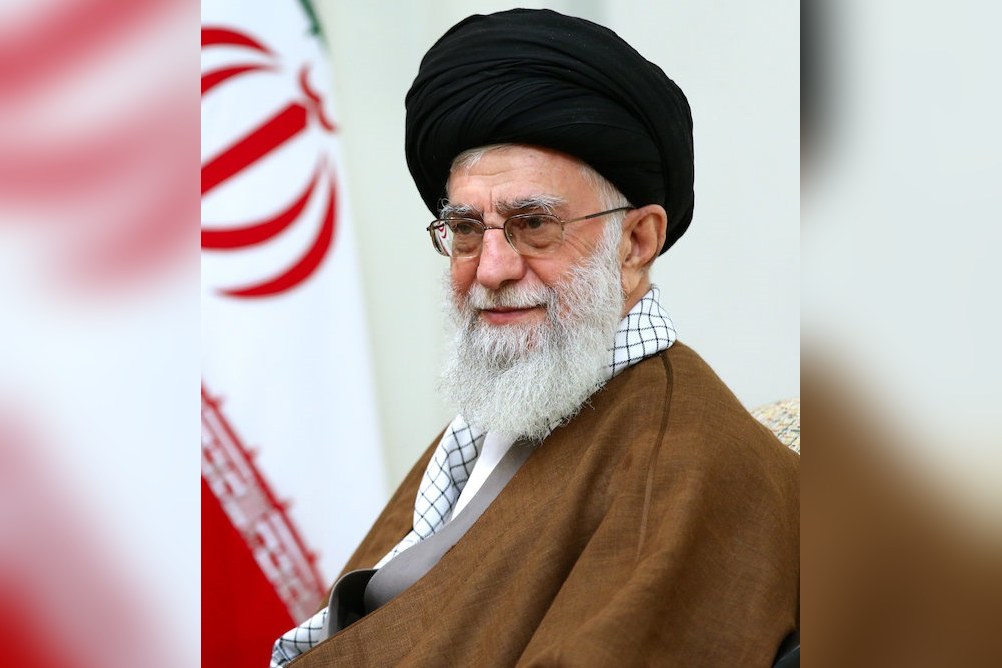
Washington, August 28 — Six months after the United States and Israel began their coordinated military campaign against Iran, the conflict has settled into a grinding economic siege that is testing the resilience of the Islamic Republic in ways its leaders did not anticipate. The war’s opening strike on February 28 killed Supreme Leader Ali Khamenei and key figures of Iran’s military command, including an IRGC commander and a chief of staff.
In the weeks that followed, Tehran moved quickly to appoint Mojtaba Khamenei, the late leader’s son, as his successor. His name now appears on decrees and in public mourning, yet he has yet to make a verified public appearance, leaving a palpable void at the heart of the state’s authority. Iran’s new military leadership, formalised through decrees issued in Mojtaba’s name, reflects a strategy of continuity rather than change.
Appointments to the new military leadership underscore the regime’s reliance on loyalists as it rebuilds a command structure shattered by months of targeted killings. The state is still in the process of re‑establishing its high command, a sign that its capacity to wage war remains fragile.
Economic pressure has become the most visible front of the conflict. Prior to the war, Iran exported roughly a volume of oil per day; now that figure has fallen below half of that volume. Inflation has surged to a very high level, and food prices have more than doubled compared with a year ago. The Treasury’s newly launched operation expands secondary sanctions, targets Iran’s “shadow fleet,” and seeks to sever the remaining financial lifelines that have sustained the country through decades of U.S. and UN sanctions.
The blockade of the Strait of Hormuz, closed in retaliation on February 28, has not been lifted and now functions as a choke point that fuses military and economic coercion. Tehran’s long‑standing narrative of external aggression is being matched by a stark reality: sanctions alone cannot explain the depth of Iran’s economic distress, and the country’s historic reliance on partnerships with China and Russia has failed to deliver the stability its leadership hoped for.
What comes next will depend on whether Washington can sustain this intensified economic siege and how Iran’s leadership, still rebuilding its command and grappling with an opaque succession, responds to mounting pressure. The world will be watching the next moves in a conflict that has moved from the battlefield to the balance sheet.




