
Seven B-2 bombers, 14 massive penetrator bombs, 125 aircraft in all, and the job was over in 25 minutes. That was the American strike on Iran’s nuclear sites, which the US called “Operation Midnight Hammer.” On Sunday, Iran’s parliament answered by endorsing a measure to close the Strait of Hormuz.
Iranian state media reported the vote. Press TV said lawmakers had reached a consensus, while stressing the last word belongs to the Supreme National Security Council and Supreme Leader Ayatollah Ali Khamenei. NationPress described the vote as a recommendation for possible action, not a closure order.
Esmaeil Kowsari, a member of parliament’s National Security Commission, was quoted by Al Arabiya and the Jerusalem Post. “The Parliament has concluded that the Strait of Hormuz should be closed, but the final decision lies with the Supreme National Security Council,” he said. NationPress noted that Khamenei’s approval would be needed and could come as soon as Sunday.
The strike
The bombers hit two nuclear sites, Fordow among them, with the bunker-busting weapons. A third site was struck with Tomahawk cruise missiles launched from a submarine. Isfahan, Fordow and Natanz were the three facilities targeted. It was the first direct US military involvement in the escalating Iran-Israel confrontation, NationPress reported, and the operation has drawn criticism because Congress had not authorized it.
President Donald Trump said the facilities had been utterly devastated. General Dan Caine, Chairman of the Joint Chiefs of Staff, said that assessing the full damage would take time. The 14 bombs had never been used in combat before.
What closing the strait would involve
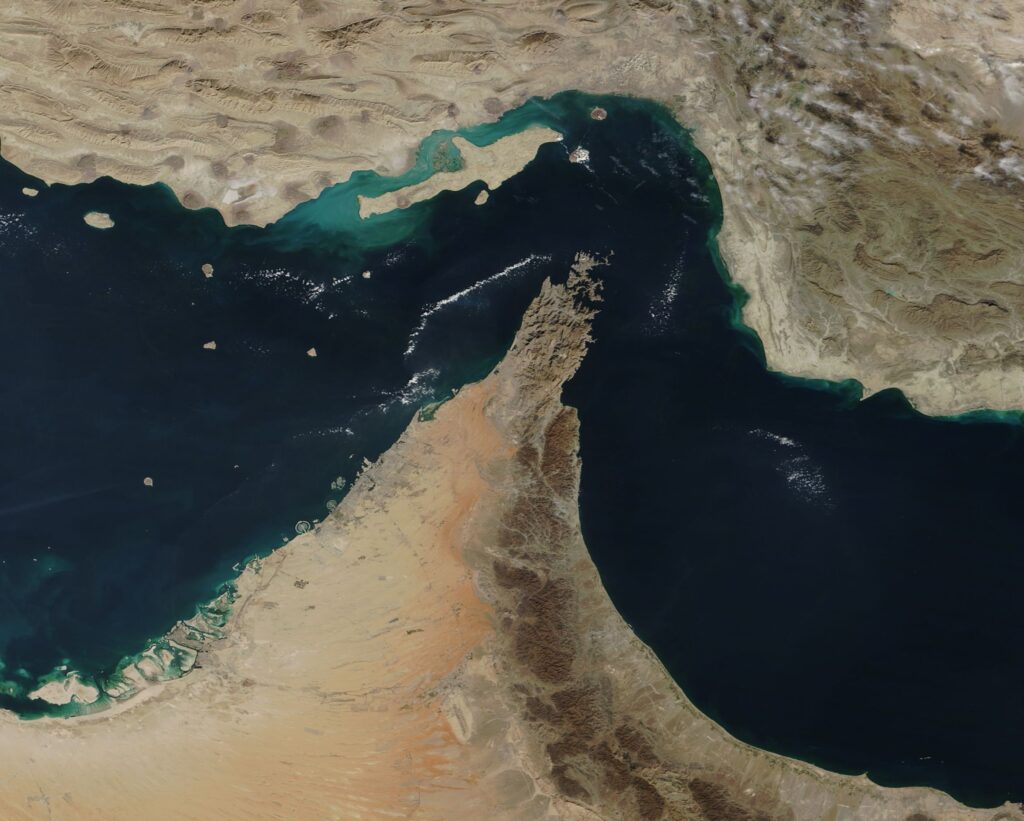
The channel separates Iran and Oman and connects the Persian Gulf with the Gulf of Oman and the Arabian Sea. At its narrowest it measures about 21 miles, and it has two shipping lanes, each 2 miles wide. Politico put the share of global seaborne oil shipments passing through at about 30 percent; NationPress put it at approximately 20 percent of global oil trade.
Iran has repeatedly said it can shut the strait and regards doing so as a last resort. A closure could mean mines or missiles aimed at tankers, making navigation impossible. Experts cited by NationPress suggested oil prices could jump by 30 to 50 percent at once, with gasoline potentially rising by as much as $5 per gallon.
History offers a partial guide. In the Iran-Iraq War of the 1980s, Iran attacked oil tankers and loading facilities. The strait never fully closed then, but shipping insurance costs rose and maritime traffic was delayed.
Sources
- Iran reportedly moves to shut Strait of Hormuz after US attacks
- Did Iran's Parliament Just Approve the Closure of the Strait of Hormuz After US Attacks on Nuclear Facilities?




