
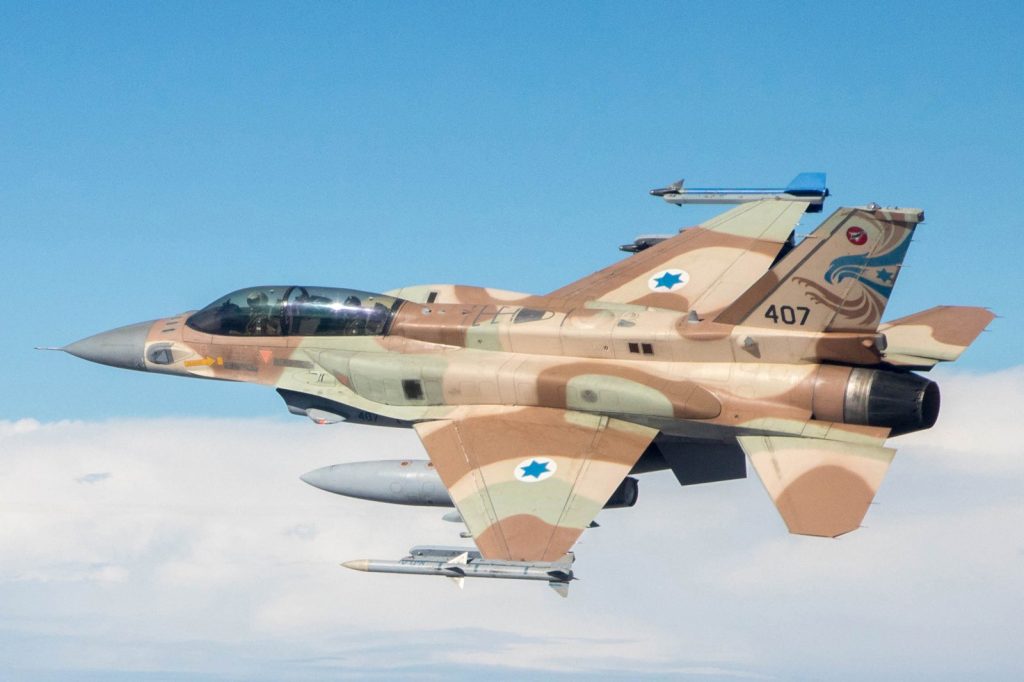
The first explosions struck Tehran after 2am on Saturday, October 26, 2024. A second wave followed three hours later, hitting the capital and Ilam and Khuzestan provinces, Al Jazeera reported.
By about 6am (02:30 GMT), Israel said the operation was complete and its objectives achieved. An Israeli military spokesperson said 20 military sites used to attack Israel had been hit. Iranian officials disputed that number and played down the damage.
Israel called the operation “Days of Reckoning.” It said the targets included missile-production capacity, missile systems and other air-defense infrastructure.
A fast-moving night
The Israeli prime minister, Benjamin Netanyahu, and defense chief Yoav Gallant reportedly approved the plans on Friday evening while speaking with cabinet ministers. Israeli media said a warning had also been sent to Iran, cautioning against retaliation.
Al Jazeera correspondent Resul Serdar reported from Tehran that the attacks primarily focused on air defenses, missile bases and drone facilities. Iran’s air-defense headquarters acknowledged bases in Tehran, Ilam and Khuzestan had been struck but said the attacks were countered and caused only minor damage in some places.
Four members of Iran’s military air defense were killed, according to the state-run IRNA news agency. A Congressional Research Service assessment published on October 29 reported four soldiers and a civilian dead.
Ali, a 32-year-old resident of western Tehran, was among those awakened by the blasts. “Not that it was unexpected, but it was stressful anyway,” he told Al Jazeera. By Saturday morning, the first day of Iran’s working week, people were out as usual.
What crossed the region
The Congressional Research Service said the attacking force included dozens of US-origin aircraft and passed through Syrian and Iraqi airspace. Its targets included Russian-origin S-300 systems, military bases, launch sites, and drone and missile manufacturing facilities.
Military sites across central and southern Syria came under attack, according to Syrian state news agency SANA, although Israel did not confirm the strikes. Explosions were initially reported in Basra, Iraq; officials subsequently said those blasts occurred across the Iranian border.
Israel said all its aircraft returned. The White House said the United States had not participated, while President Joe Biden received updates as the operation developed.
Netanyahu also expressed gratitude to Washington for what he called “close coordination and assistance,” the CRS noted. A senior American official nevertheless maintained that the United States was not a participant.
Retaliation and restraint
Israel presented the operation as a response to attacks by Iran and its allies. On October 1, Iran had fired some 180 ballistic missiles at Israel after killings it attributed to Israel of senior Iranian, Hezbollah and Hamas figures.
The United States, United Kingdom and France helped defend Israel during that barrage, while Jordan responded to projectiles entering its airspace. Israel reported no deaths, though open-source information suggested bases and surrounding areas sustained greater damage than in April.
Before the Israeli counterstrike, US officials had publicly advised against hitting nuclear or oil facilities. In mid-October, Washington ordered a Terminal High Altitude Area Defense battery and about 100 US troops to Israel.
Iran’s Foreign Ministry condemned the October 26 operation as “a blatant violation.” It cited international law and the UN Charter, and said Iran was “entitled and obligated to defend itself against external aggressive acts.”
The United Arab Emirates and Saudi Arabia both condemned the military action against Iran and urged de-escalation. Israel warned that another Iranian attack would bring a stronger response.
Iran’s Civil Aviation Organization briefly suspended flights after the strikes. It announced that services resumed at 9am (05:30 GMT) that Saturday.
Sources
- Israel strikes Iran: What we know so far and what’s next | Israel attacks Lebanon News | Al Jazeera
- Escalation of the Israel-Iran Conflict | Congress.gov | Library of Congress




