
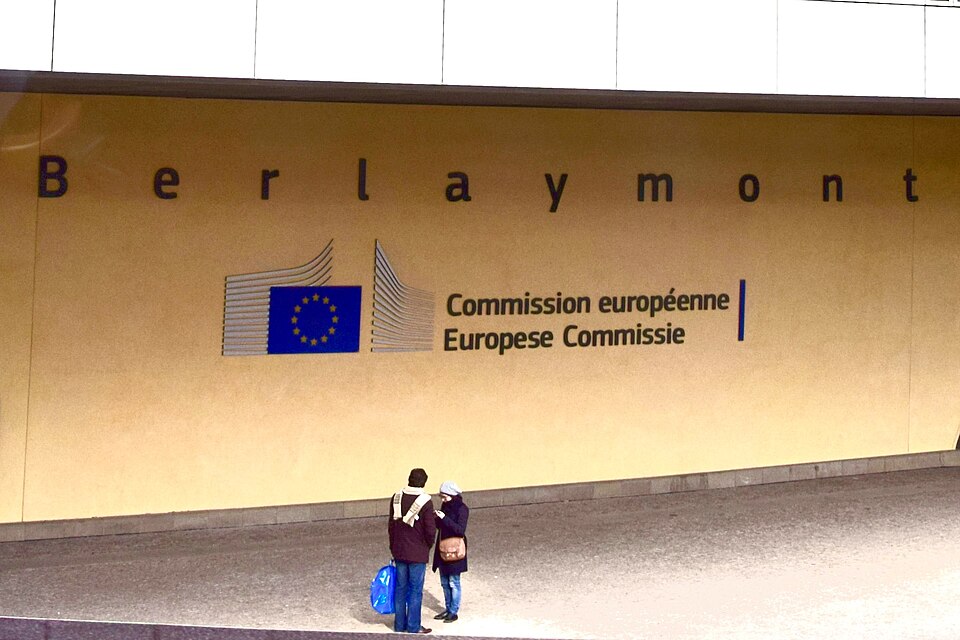
“So Europe stays off limit for anyone who has participated in the invasion of Ukraine, as simple as that.” With those words on Tuesday, June 9, 2026, European Commission president Ursula von der Leyen unveiled the most unusual item in the EU’s 21st set of sanctions on Russia since the full-scale invasion in February 2022.
The Commission proposes, for the first time, to bar from entry into the European Union anyone who has served in the Russian armed forces since the war began. The Guardian reported that the plan is a proposal only. It could be amended, and all 27 member states must agree to it unanimously.
Where the idea came from
Estonia put a ban on Russian ex-combatants on the agenda earlier in the year. Foreign minister Margus Tsahkna told reporters in January that a visa ban was necessary for Europe’s security. “Putin will push these people to Europe,” he said, pointing to continuing hybrid attacks by Russian agencies in the EU. “Can you imagine these hundreds of thousands of ex-combatants, criminals coming here?”
The rest of the package
Von der Leyen said the sanctions “keep biting hard and cutting deep” and were weakening the economic foundations of Russia’s war effort. The package goes well beyond the entry ban.
- The Commission wants the price cap on Russian oil held at $44 until January 2027, to stop the Kremlin profiting from higher crude prices after the closure of the strait of Hormuz.
- Another 30 “shadow fleet” vessels would be blacklisted, on top of the 632 already under restrictions.
- Sanctions would reach 20 banks, crypto firms and oil traders in third countries accused of helping Russia dodge the measures.
- For the first time, Russian fish imports are covered, with a potential ban on cod. Imports of Russian metals, ores and car parts worth €60m would also be banned.
- Export restrictions are proposed for metals and alloys used in aerospace and defence, including drone equipment and launch systems.
Missing from the list were EU alumina exports. The Organized Crime and Corruption Reporting Project, working with the Guardian and the Irish Times, found that alumina refined at the Russian-owned Aughinish plant in County Limerick feeds a supply chain that appears to end with arms makers. The plant employs 900 people and supplies about 30% of the EU’s alumina. EU foreign policy chief Kaja Kallas was expected to raise the issue with the taoiseach, Micheál Martin, in Dublin the same day.
Von der Leyen also said the bloc would move ahead with Ukraine’s accession talks. The first negotiating chapters, on the rule of law and democratic standards, were expected to open for Ukraine and Moldova the following week.




