
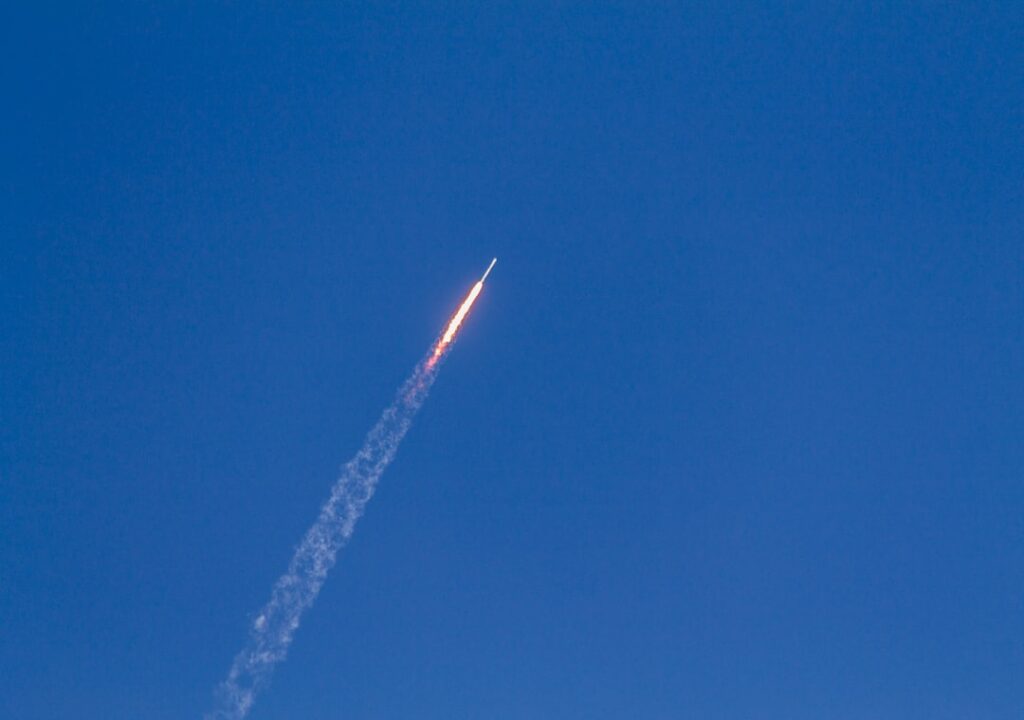
On the night of 13 April, more than 300 missiles and drones were launched from Iran toward Israeli territory. The bulk of the projectiles were intercepted, but the attack marked the first time Iran struck Israel directly, a development analysts say reshapes the strategic landscape of the Middle East.
Israeli Prime Minister Benjamin Netanyahu addressed his security cabinet on 19 April, stating that Jerusalem alone would determine the nation’s response. He reiterated the message publicly, in private briefings, and in conversations with leaders in Washington, London, Berlin and Paris—countries that have all urged restraint. “The state of Israel will do whatever it must to defend itself,” Netanyahu said, according to the official transcript of the meeting. He added a warning: “Those who counsel patience in the face of Iranian aggression are free to offer their own cities as targets.”
Western capitals fear that a robust Israeli retaliation could trigger a wider regional war. The concern is concrete: Israel’s ongoing campaign against Hamas in Gaza is now in its seventh month, and opening a second front against Iran or its proxies in Lebanon, Syria and Yemen would stretch Israeli forces thin and likely draw in the United States. President Joe Biden told Netanyahu by phone that the United States would not participate in offensive operations against Iran, a position later confirmed by Washington officials. Netanyahu told his ministers that the conversation did not alter Israel’s right to respond.
The Iranian salvo was a retaliation for an Israeli airstrike on 1 April that hit the Iranian embassy compound in Damascus. The strike killed Brigadier‑General Mohammad Reza Zahedi, a senior Quds Force commander responsible for operations in Syria, and his deputy; Iran’s ambassador to Syria survived. Iran’s Supreme Leader Ayatollah Ali Khamenei denounced the Damascus attack as an assault on Iranian soil and vowed revenge, which materialised on 13 April.
While the barrage involved a large number of missiles and drones, most were intercepted, suggesting Tehran intended to showcase its capability without provoking a full‑scale Israeli retaliation. Netanyahu’s statements, however, indicate a preference for a decisive deterrent posture rather than a calibrated response.
Israel has long operated under the assumption that it could strike Iranian assets in Syria without inviting direct attacks on its own territory. The 13 April incident challenges that premise, demonstrating that Iran is willing and able to hit Israel directly. The central question now is whether Israel can re‑establish its deterrence without sparking a conflict both sides wish to avoid.
Both governments face internal pressures: Netanyahu must answer domestic demands for a strong response, while Iran’s leadership must preserve credibility after the Damascus strike. Neither side appears ready to accept a perception of weakness, raising the risk of miscalculation.
Western allies continue diplomatic outreach, but Netanyahu has signalled that external pleas will not dictate Israel’s course. The security cabinet meeting was presented not as a debate but as a definitive statement of intent. Israel’s military is reportedly preparing for several scenarios, including strikes on Iranian nuclear facilities, attacks on Iranian military positions in Syria, and cyber operations. In Netanyahu’s view, inaction is not an option.
The situation has unsettled oil markets and kept diplomats on the phones, but the ultimate decision rests with Jerusalem. As Netanyahu put it, “The state of Israel will do whatever it must to defend itself.” This stance serves as a warning rather than an invitation to negotiation, leaving the region poised for the next move.




