
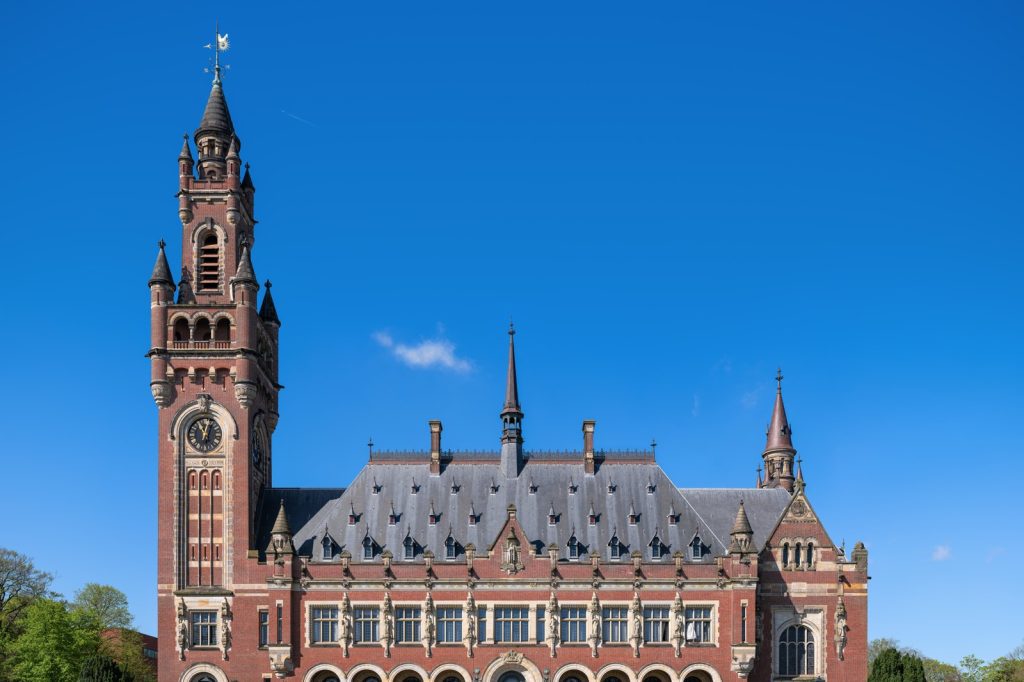
A decade after a tribunal in The Hague sided with the Philippines, the argument over what it decided is still running. On the anniversary, the Philippines and 13 other nations marked ten years since the ruling, according to the Global Times. Beijing’s experts answered within days.
What the tribunal decided
The award came on July 12, 2016. The U.S.-China Economic and Security Review Commission summed it up at the time: the tribunal ruled overwhelmingly for the Philippines and found major elements of China’s claim unlawful, including its nine-dash line, recent land reclamation and other activities in Philippine waters.
China called the decision “null and void.” The commission’s brief warned that Beijing “may take assertive and inflammatory steps to defend its position,” and added that how far China complies, and how far others press for enforcement, would shape whether international law can keep the seas peaceful.
China’s answer, ten years on
Luo Gang of the China Institute for Marine Affairs told the Global Times that the tribunal got the definition of an island wrong. Under UNCLOS Article 121, islands carry exclusive economic zones and continental shelves. By labelling the relevant Chinese features “rocks,” Luo argued, the tribunal denied them those rights. His example was Taiping Island, roughly 500,000 square meters with fresh water and vegetation, which the tribunal treated as a rock.
He turned the point on Japan, which backs the award yet claims maritime rights around Okinotori, “nothing more than two tiny rocks of less than 10 square meters in the Pacific.”
Manila’s campaign and its limits
Since 2023 Manila has followed what it calls “assertive transparency”: photographs and video of encounters with Chinese vessels, released to build a public record. On September 8, at the Seoul Defense Dialogue, Defense Secretary Gilberto Teodoro Jr. was handed a note from a Chinese official rejecting the ruling. He read it aloud and rebutted it point by point, accusing China of “coercion, bullying and aggression.”
Radio Free Asia found the wider region unmoved. Indonesia stresses dialogue and international law, Singapore says it is neutral, and Malaysia keeps talking with Beijing. Thirteen countries, including the United States, Japan and Australia, back the award.
The quieter channel has produced more. After a violent clash at Second Thomas Shoal in June 2024, Manila and Beijing agreed a provisional arrangement for Philippine resupply missions. Officials said 13 missions through March 2026 went ahead without dangerous encounters. Security researcher Enrico Cau warned that the public confrontations risk “exposure fatigue, past which the audiences will simply ignore it.”
Sources
- South China Sea Arbitration Ruling: What Happened and What's Next? (U.S.-China Economic and Security Review Commission)
- Japan, other countries backing illegal South China Sea 'arbitral award' should consider if their own rights would be undermined: Chinese expert (Global Times)
- Viral moment for Manila showcases South China Sea dispute, but status quo remains (Radio Free Asia)




