
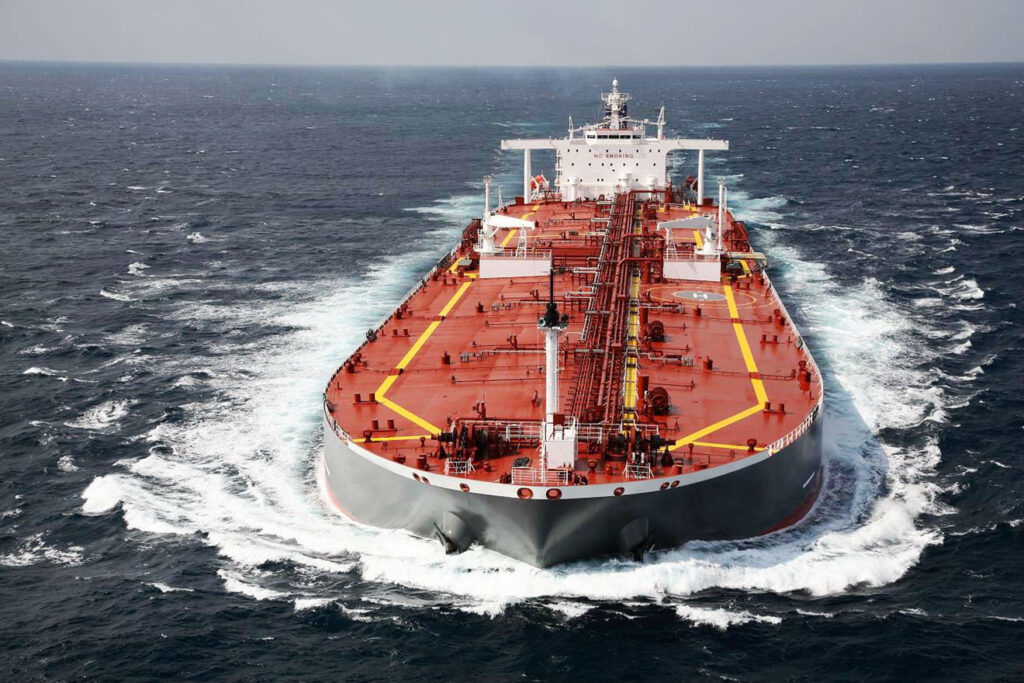
The first escort run in July 1987 barely got going before a reflagged Kuwaiti tanker hit an Iranian mine. For the crews aboard, the Gulf stopped being a shipping lane that day and became a minefield with a coastline.
That run, part of Operation Earnest Will, is the memory that hangs over the Strait of Hormuz again this summer.
Kuwait asks for help
During the Iran-Iraq War, both countries went after each other’s oil tankers. The Veterans Breakfast Club recounts that when Iranian forces began hitting Kuwaiti vessels, Kuwait asked Washington for protection. The answer was to reflag the tankers under the U.S. flag so they could sail under the protection of the US Navy. Roughly 30 warships rotated through the effort, the largest Navy convoy mission since World War II.
Over the next fourteen months, American forces ran special operations against Iranian mine-layers and struck Iranian military targets.
One day in April 1988
On April 14, 1988, the frigate USS Samuel B. Roberts struck an Iranian mine. The blast tore a breach in the hull and cracked the keel, according to MiGFlug, but the crew kept the ship afloat. Four days later the Navy answered with Operation Praying Mantis.
It lasted one day. At 7:55 AM the destroyer USS Merrill warned the people on the Sassan platform to leave; nine minutes later the guns opened up. By the end, the Iranian frigate Sahand had sunk with 45 crew members on board. The only American deaths were two Marine aviators whose Sea Cobra helicopter crashed near Abu Musa.
Iran accepted a ceasefire ending the eight-year war three months afterward. In 2003 the International Court of Justice dismissed Tehran’s compensation claim, though it said the platform attacks “cannot be justified as measures necessary to protect the essential security interests of the United States.”
The echo now
The comparison is being drawn again. An analysis published by elmasir.com on July 11, 2026 says an informal maritime arrangement has collapsed after a U.S. deadline for Iran to stop intercepting commercial vessels. Iran calls the seizures lawful anti-smuggling operations. Washington calls them state-sponsored piracy. The Pentagon has sent F-35 and F-16 jets, guided-missile destroyers and Marines.
The stakes are the same ones sailors faced in 1987. “Roughly one-fifth of the world’s petroleum passes daily” through the strait, the analysis says. And the Iranian arsenal has changed: it now includes anti-ship ballistic and cruise missiles, attack drones and midget submarines. The author’s warning is that decisions by mid-level officers can have instant, enormous strategic consequences.
The people who feel that first are the ones on deck. In 1988 it took one mine and four days to bring a frigate’s crew into a battle that sank a warship.
Sources
- Before Today's War With Iran, There Was the Tanker War (Veterans Breakfast Club)
- Operation Praying Mantis: The One-Day Naval War (MiGFlug)
- The Shadow of the Tanker War: Deterrence and Danger in the Strait of Hormuz (elmasir.com)




