
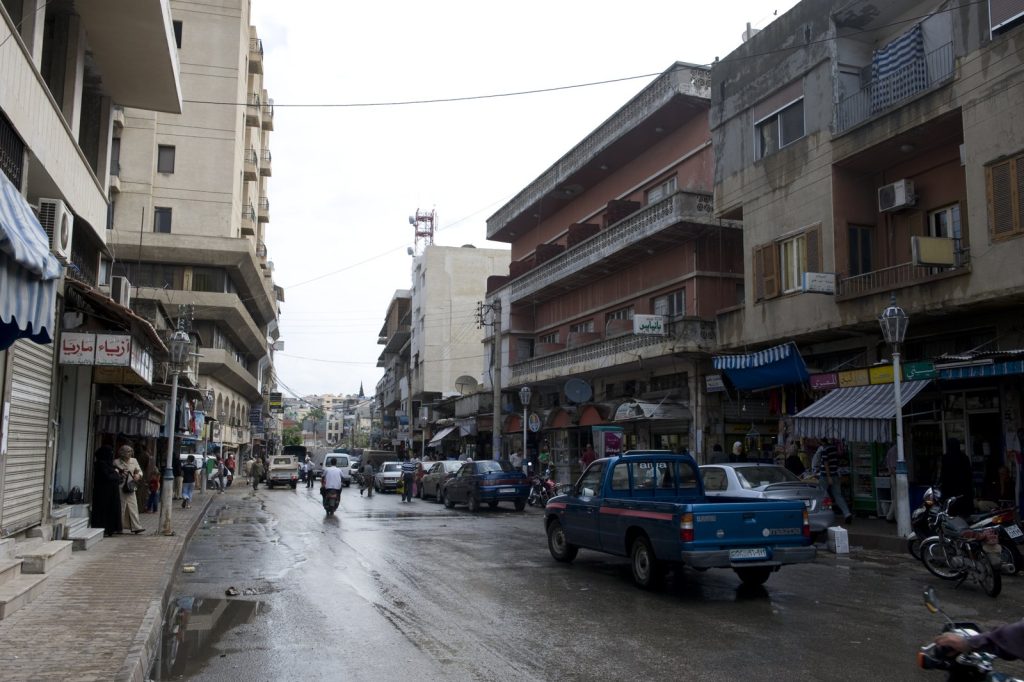
On 29 May 2024, the Israeli Defense Forces (IDF) conducted an airstrike that targeted sites in the Syrian cities of Baniyas and Homs. The attack resulted in the death of one civilian and three members of Hezbollah, while ten other individuals sustained injuries.
The strike underscores Israel’s ongoing campaign against Iranian‑backed militias in the region. Hezbollah, which maintains a presence in western Syria, is a particular focus of Israeli operations, and the recent attack is part of a broader effort to disrupt the group’s activities. Baniyas, a Mediterranean coastal city in western Syria, has long been a strategic hub for such groups.
Its location near the Lebanese border makes it a convenient base for Hezbollah operations. Historically known as Balaneais, Balanaea, Balanea, and later as Leucas or Leucas‑Claudia, the city today is noted for its citrus orchards, timber exports, and the country’s largest oil refinery situated to its north.
Although the Kirkuk–Baniyas pipeline that once linked the refinery to Iraq has been out of service since the 2003 U.S.–led invasion of Iraq, the refinery remains a key economic asset. The nearby Crusader fortress of Margat, a massive Knights Hospitaller stronghold built from black basalt, reminds visitors of the area’s layered past. The presence of historic and economic landmarks highlights the challenges of conducting military operations in densely populated and culturally significant zones. Israeli officials have repeatedly emphasized the need to limit civilian casualties, employing precision‑guided munitions and careful targeting to avoid damage to non‑military infrastructure.
Hezbollah’s involvement in Syria has drawn criticism from the United States, which classifies the group as a terrorist organization. The U.S. administration has voiced support for Israel’s right to self‑defence and has coordinated with regional allies to counter Iranian influence.
Tehran’s backing of militias such as Hezbollah continues to be a point of contention in international forums, with many governments describing the support as destabilising. Following the Baniyas‑Homs strike, Hezbollah and its allies have signalled a willingness to respond, raising concerns that the incident could further inflame tensions. The international community is monitoring the situation closely, urging restraint and a return to diplomatic channels to de‑escalate the conflict.
U.S. officials have reiterated their commitment to a peaceful resolution while acknowledging the difficulty of achieving progress amid the involvement of hostile actors like Iran. Efforts to protect civilian lives and critical infrastructure remain central to the strategy of Israel and its partners, who continue to refine targeting procedures to minimise collateral damage.
The developments in Syria are being watched by a range of stakeholders, including regional governments and global powers, all of whom are seeking to balance security objectives with humanitarian considerations. The coming weeks will be pivotal in determining whether the recent airstrike leads to further escalation or prompts renewed diplomatic initiatives aimed at stabilising the volatile situation.




