
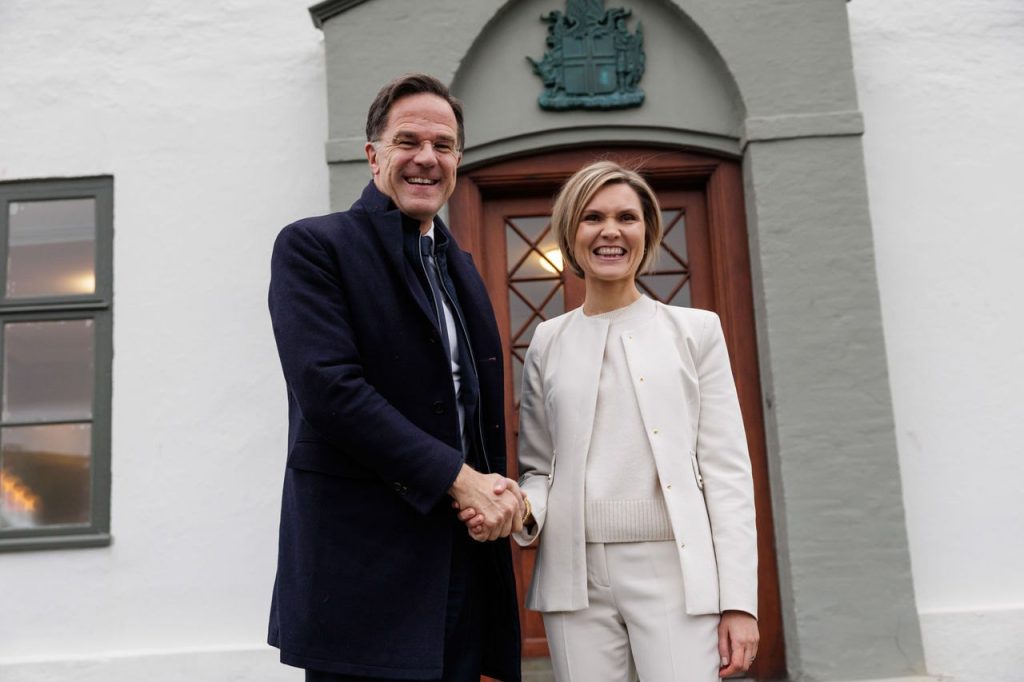
Reykjavik, August 31 — Iceland formally ended negotiations to resume European Union accession talks, citing domestic priorities over geopolitical integration. The move follows a non-binding referendum held on April 23, 2025, where 53% of voters opposed renewed EU membership, with 47% in favor, reflecting deep division on the issue. Prime Minister Kristrún Frostadóttir emphasized the need to respect all viewpoints, stating the government would not pursue further talks at this time.
Political analysts note that concerns over U.S. President Trump’s proposed acquisition of Greenland have further shifted public sentiment, as Icelanders prioritize independent decision-making on security and economic matters. The nation’s fishing industry, which contributed approximately €2.1 billion (about US$2.3 million) to exports in 2023, remains a focal point of resistance to deeper EU integration.
Iceland’s unique position as a North Atlantic island with a mixed economy and strong cultural identity continues to shape its foreign policy approach, prioritizing self-determination over external alliances. The decision marks a definitive shift from Iceland’s longstanding associate member status with the EU since 1973, with current agreements deemed sufficient by citizens. Prime Minister Frostadóttir’s administration will now focus on fisheries management and domestic economic resilience, avoiding any external pressure to pursue deeper integration.
U.S. security concerns have intensified since Trump’s Greenland proposal, with Icelandic officials reportedly emphasizing sovereign control over strategic assets. The fishing sector’s economic weight, generating €2.1 billion (about US$2.3 million) annually, underscores why many Icelanders view EU membership as a threat to their economic autonomy.
The government’s emphasis on respecting all viewpoints suggests a cautious approach to future diplomatic engagements, avoiding any perception of rushed integration. Analysts predict this will likely strengthen Iceland’s ties with NATO and bilateral partners rather than deepen EU engagement. The move has sparked quiet debate in Brussels, where officials acknowledge Iceland’s right to self-determination while noting the strategic implications for North Atlantic policy.
European Commission spokesperson Elena Voss stated the EU respects Iceland’s decision but will monitor how the shift affects regional stability. Iceland’s stance reinforces its reputation as a nation that values independent decision-making over external alliances, particularly on matters tied to its fishing industry and security. The government’s emphasis on respecting all viewpoints ensures no further pressure will be exerted on citizens regarding EU membership.
Iceland’s unique position as a North Atlantic island with a mixed economy continues to shape its foreign policy, rejecting deeper EU integration as incompatible with its core values. The fishing industry’s €2.1 billion (about US$2.3 million) export contribution remains central to the nation’s economic identity, making sovereignty over this sector non-negotiable.
The administration’s focus on fisheries management and domestic priorities signals a clear rejection of external integration efforts, rooted in decades of economic self-reliance. The referendum result of 53% opposition to EU membership reflects a society deeply divided on its future direction, yet united in prioritizing self-governance. The government’s emphasis on respecting all viewpoints ensures no further pressure will be exerted on citizens regarding EU membership, cementing the decision as final.
The focus now shifts to how Iceland navigates its relationship with the EU while maintaining independent control over its most vital economic sector. The coming months will reveal how this stance affects Iceland’s diplomatic posture toward both the U.S. and European partners.




