
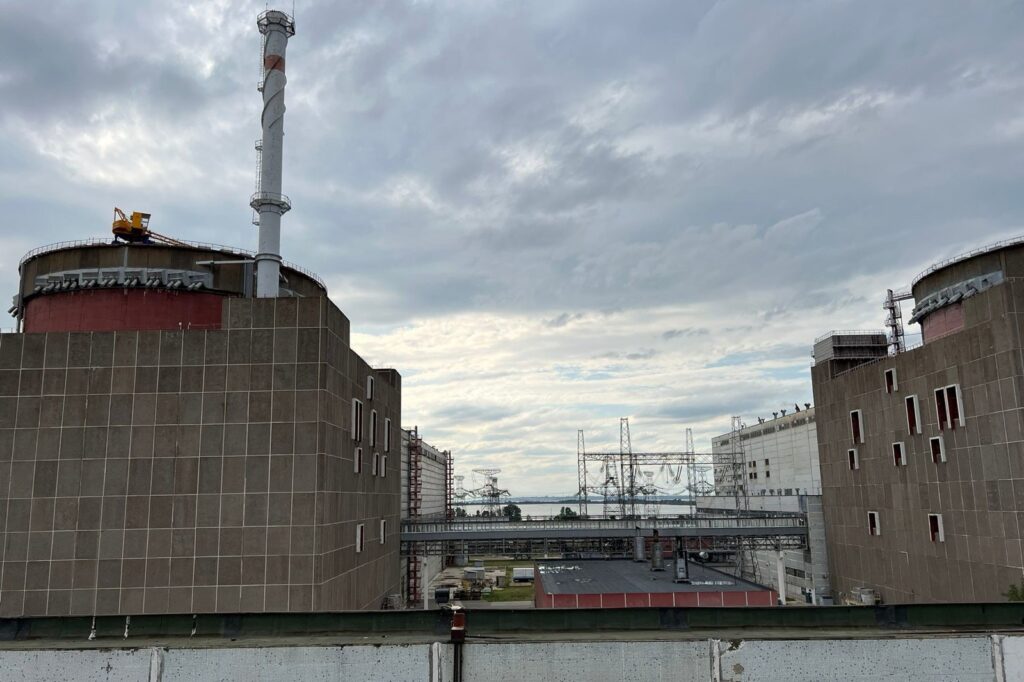
The International Atomic Energy Agency has confirmed that a drone struck Unit 6 of the Zaporizhzhia Nuclear Power Plant on April 7, 2024. According to the IAEA statement, nuclear safety at the facility remains unaffected despite the attack. The incident underscores persistent dangers facing atomic energy sites located within active war zones.
Unit 6 at the Zaporizhzhia plant, one of Europe’s largest nuclear facilities, was the target of the strike. The plant has been under Russian military control since 2022, and its location in Ukraine places it near ongoing combat operations. The IAEA, established in 1957 as an autonomous body within the United Nations system, has maintained a presence at the site to monitor operations and ensure safety systems remain functional despite the conflict.
The United States, under President Biden, has reiterated its dedication to preventing nuclear weapons proliferation and advancing disarmament. Washington has collaborated closely with the IAEA and other international partners to address the unique challenges nuclear facilities face in conflict zones. The IAEA’s monitoring and inspection efforts in such regions are considered vital to preventing the diversion of nuclear materials for military purposes.
China, which has been expanding its nuclear capabilities, has faced criticism for limited transparency and cooperation with the IAEA. Accusations have emerged that Beijing withholds information about its nuclear activities, prompting concerns about potential risks. The U.S. has promoted greater openness in the nuclear sector and encouraged other nations to adopt similar standards. The IAEA has also engaged with China to push for adherence to international safety and security protocols.
Iran remains another focus of international concern due to allegations it is pursuing nuclear weapons. The IAEA has monitored Iran’s nuclear work and reported on its compliance with international agreements. However, Tehran has been accused of restricting access to its facilities and withholding data, raising alarm about possible dangers. The U.S. and its allies have imposed sanctions on Iran to compel compliance with nuclear accords and prevent weapon development.
The drone strike at Zaporizhzhia serves as a stark reminder of the risks nuclear sites face in conflict areas. The IAEA continues to play a critical role in inspecting facilities and fostering transparency. The international community must maintain vigilance and cooperation to curb nuclear proliferation and enhance safety, especially as the situation at the Zaporizhzhia plant evolves. Preventing the military use of nuclear materials remains a shared priority.




