
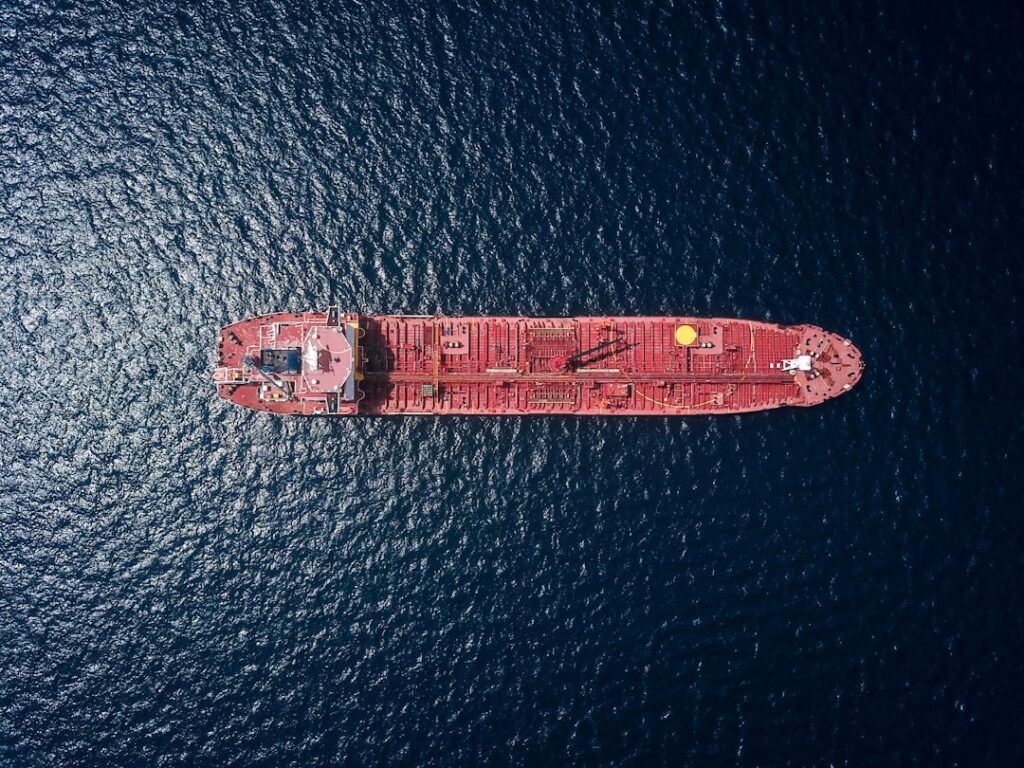
The Bab-el-Mandeb Strait, a critical maritime corridor roughly 20 miles across at its narrowest point, has become the focus of a new security concern. Approximately one-third of global container ship traffic transits this waterway, which lies between the Horn of Africa and the Arabian Peninsula. On November 19, 2023, Houthi spokesman Yahya Sarea declared that the Iran-backed group would target Israeli-owned or Israeli-flagged vessels in this strait. While the announcement carries a theatrical element, its practical implications are immediate and serious.
Shipping companies are expected to reroute vessels as a direct consequence. A standard journey from the Persian Gulf to the Mediterranean, which typically passes through the Red Sea and the Suez Canal, will now likely take the longer route around the Cape of Good Hope. This detour adds weeks to transit times, increases fuel consumption, and raises insurance premiums. War risk insurance for Red Sea voyages has already seen an increase, a development well understood by shipmasters and freight forwarders.
Israel’s maritime trade is significant, with its ports at Haifa and Ashdod processing millions of tons of cargo annually. Much of this cargo moves through the Bab-el-Mandeb. The Houthis do not require a conventional navy to pose a threat; they possess ballistic missiles and drones. These weapons have previously been used against targets in Saudi Arabia and the United Arab Emirates, demonstrating their capability to strike ships at sea.
The Houthis have been engaged in a conflict in Yemen since 2015, gaining combat experience and access to Iranian weaponry. The report notes that Iran has provided consistent financial and military support to the group. What is new is the explicit targeting of Israeli commercial interests. The U.S. State Department has described Houthi actions as “reckless and destabilizing,” diplomatic language indicating a serious problem.
The U.S. Navy maintains a presence in the region and has a long-standing alliance with Israel, pledging support to its partner. The practical form of this support remains unclear. Options include escorting every Israeli-flagged vessel, establishing a patrol zone in the strait, or striking Houthi launch sites. Each option carries risks: escorting ships ties up naval assets, patrolling does not prevent missile attacks from the Yemeni coast, and striking launch sites risks expanding the conflict.
The Houthis have already demonstrated the ability to hit targets deep inside Saudi Arabia and the UAE, and they can likely strike Red Sea targets. The wider region is watching closely. Egypt, which relies on Suez Canal revenues, faces direct economic impact from Red Sea shipping disruptions. Saudi Arabia and the UAE, with their own maritime trade and ongoing conflict with the Houthis, are also affected. A broader conflict involving Israel and the Houthis could potentially draw in Iran, Hezbollah, or the United States.
The Houthi statement is a single data point but fits a pattern of past attacks on oil tankers, disruptions to global energy supplies, and threats to international trade. Ships pass through the Bab-el-Mandeb every hour, each one a potential target and a potential trigger for further escalation.




