
At least 81 fighters were dead within days of the first shots. The clashes began on Thursday, when Yemen’s Houthi movement launched a ground assault with rocket and drone support against government forces near the Red Sea coast, Gulf News reported on September 6.
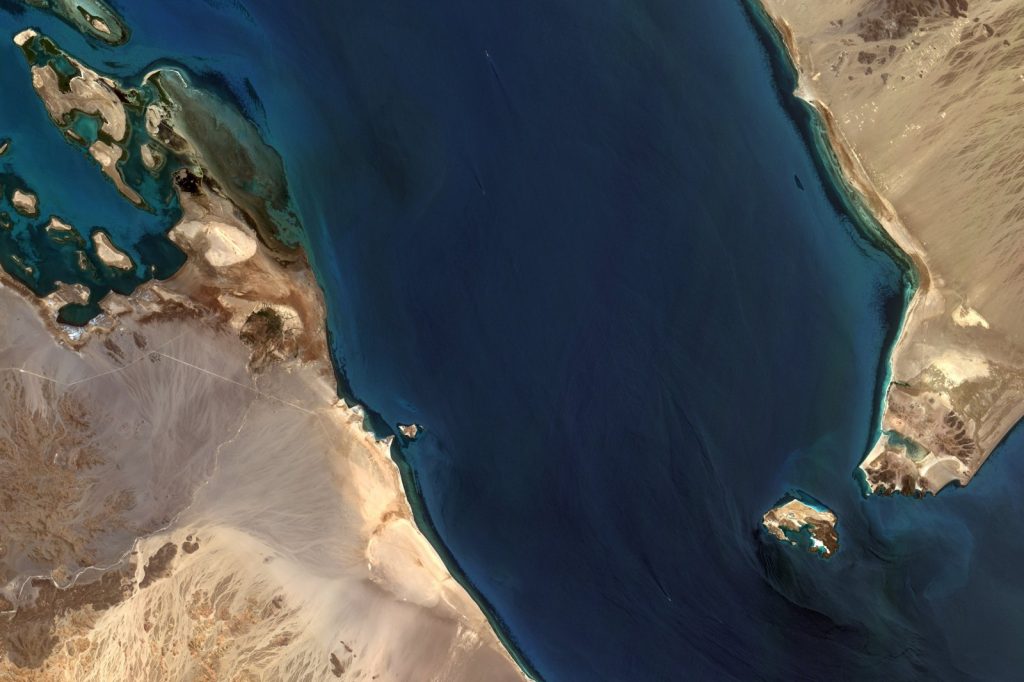
The fighting is far from the shipping lanes, but the aim is not. Yemeni military officials say the offensive is meant to cut supply routes to the government-held port of Mokha and to push toward ground near the Bab al-Mandab, the strait where the Red Sea meets the Gulf of Aden. Col. Abdul Basit Al Baher, a government officer, said the heaviest fighting was around western Taiz and that he believed the Houthis wanted to reach Mokha, less than 50 miles (80km) from the strait.
High ground and a narrow strait
The Houthis have taken elevated positions overlooking government forces near the coast, Khokha and Taiz. Height lets them watch troop movements and, potentially, threaten supply lines and ships. They do not directly hold land on the strait, but they control Hodeida, the big Red Sea port north of Mokha, and have shown they can hit vessels with missiles and drones. Government forces have sent reinforcements from Aden to Taiz. The Houthi political official Mohammed Al Bukhaiti called the fighting “nothing more than skirmishes and clashes”.
The strait is only about 30 kilometres wide at its narrowest. Ships going between Asia and Europe through the Suez Canal must pass through it, and the alternative is the far longer voyage around the Cape of Good Hope.
A second choke point
Its weight has grown with the war involving Iran. With the Strait of Hormuz disrupted, Saudi Arabia has leaned on a pipeline from Abqaiq to the Red Sea terminal at Yanbu, sending about 75 percent of its usual exports that way. The Guardian, citing Rystad Energy, reported in July that around 2.5 million barrels a day from Yanbu were moving south through the Bab al-Mandab to buyers such as India and China.
The Houthis have already shown what pressure on that route does. In July they warned shippers not to load or unload at Saudi ports, and Brent crude passed $100 a barrel. Windward data showed at least five Saudi-linked tankers turning back. The Houthis said they had hit two Saudi tankers, and a Riyadh news agency confirmed one was on fire. In recent weeks they have attacked Saudi ships and declared a maritime blockade of the kingdom.
Turning around is costly. Going round Africa roughly doubles the voyage and adds an estimated $2 million to $2.5 million to each transit, according to the Guardian. That bill reaches ordinary households in the end, through fuel and freight prices felt hardest in countries with the least room to absorb them.
The ground battles are among the most serious in Yemen since the UN-brokered truce of 2022, which cut fighting sharply but never became a peace agreement. The Houthis took Sanaa in 2014, and a Saudi-led coalition intervened the next year.
Sources
- How the Bab al-Mandab blockade threat helped push oil back above $100
- Why Iran-backed Houthi militants are pushing towards Bab Al Mandab as Hormuz disruption raises stakes




