
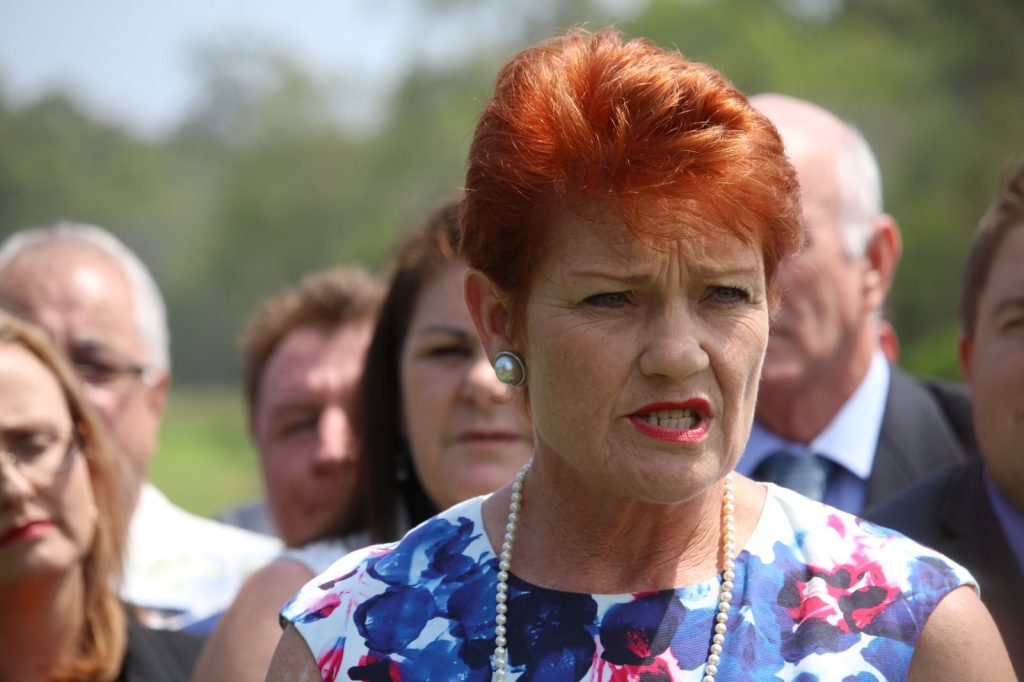
August 31, 2026 — Sydney, Australia Pauline Hanson warned that Prime Minister Anthony Albanese and Treasurer Jim Chalmers’ descriptions of One Nation as ‘dangerous, divisive and downright dishonest’ and a ‘threat to our country’ could incite political violence. Speaking after One Nation’s narrow by-election victory in Queensland, Hanson claimed the government’s ‘increasingly desperate attacks’ crossed a line, stating ‘words have consequences’ and citing the killing of British far-right figure Ann Widdecombe as a warning.
Albanese and Chalmers had criticized One Nation at the Queensland Labor Conference, calling it a threat to national cohesion. Hanson framed the result as evidence of public backlash against the government’s rhetoric.
Her social media post emphasized that demonizing opponents risks normalizing threats against elected officials. She drew parallels to international incidents where inflammatory speech preceded violence. No official government response to Hanson’s warning was recorded in the source material.
Hanson’s warning underscores rising tensions in Australian politics. What follows remains uncertain as both sides navigate the fallout.
Pauline Hanson’s warning comes amid heightened political scrutiny of inflammatory political rhetoric in Australia, where public discourse has grown increasingly polarized in recent years. The reference to inciting violence follows a series of high-profile incidents globally where political speeches were linked to real-world harm, including attacks on elected officials. Her remarks highlight concerns about how partisan characterizations of political opponents may contribute to hostile environments, particularly in a media and political landscape where online platforms amplify confrontational messaging.
One Nation’s recent by-election success in Queensland reflects broader voter discontent with major parties, signaling a shift in political dynamics that has drawn significant attention from analysts and policymakers. The party’s messaging, which emphasizes national identity and skepticism toward mainstream political establishments, resonates with a segment of the electorate frustrated by economic and cultural changes. This electoral outcome has intensified debates over the role of populist movements in democratic discourse and the responsibilities of political leaders in shaping public sentiment.
Hanson’s characterization of government criticism as ‘increasingly desperate attacks’ suggests a narrative of persecution that may mobilize supporters around themes of victimhood and resistance. This framing aligns with patterns observed in other democracies where political figures leverage electoral gains to challenge established institutions, often reinforcing adversarial relationships between parties.
The emphasis on ‘words having consequences’ underscores growing awareness of how language used in political debates can influence public perceptions and behaviors. The lack of an official government response to Hanson’s warning indicates a cautious approach by authorities, who may seek to avoid escalating tensions while still upholding norms of civil discourse. As political actors navigate this complex environment, the situation illustrates the challenges of maintaining democratic integrity amid rising polarization.
The interplay between rhetoric, public sentiment, and political accountability remains a critical issue in contemporary Australian politics, with potential implications for future electoral engagement and governance.




