
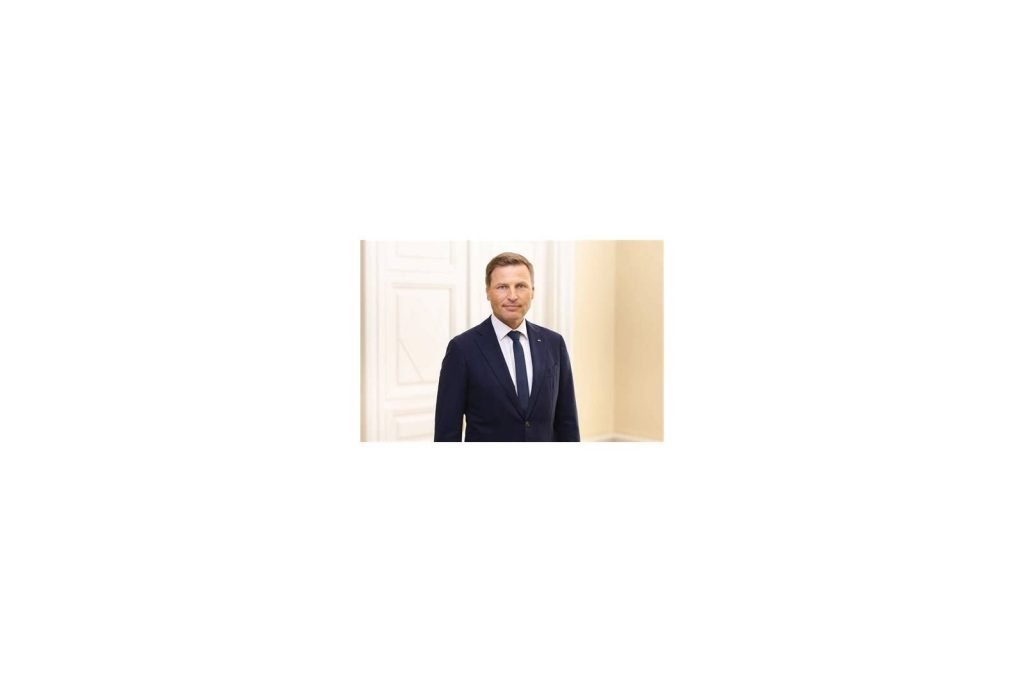
“You cannot tell intelligence officers for political reasons to write a particular intelligence warning.” Estonia’s outgoing Defense Minister Hanno Pevkur said that as he prepared to hand the ministry to his successor, and he did not leave much doubt about who he had in mind.
The successor is Martin Herem, the defense minister candidate. Herem told the media that he wants the government to reword its threat assessment of Estonia. His reasoning: the war in Ukraine could end within six months, and Russia might then need only another six months before it could use military force against Estonia. In an interview with ERR he said Russia could turn force of an unknown scale on Estonia a year from now, and that the country has to ask whether its preparations would be enough to eliminate it.
“I would say that could happen within six months,” Herem said of the war ending. He added that a deadline should be set, even though the real timeframe might stretch to three years.
Pevkur’s warning on intelligence
Pevkur said any change to the assessment has to rest on information that is objective and free of political influence. Intelligence staff, he said, work from their best judgment, gather material themselves and consult partners, and an independent assessment is built from that. “If anyone starts interfering with that politically, it is a very, very wrong path to take,” he said. He added that he hopes no political pressure will be put on intelligence officers to describe the situation beyond Estonia’s borders in a particular way.
The audit problem
Pevkur also pointed at the National Audit Office. Its criticism of disarray in the Estonian Defense Forces covers the years when Herem commanded them, so Herem will now have to deal with it directly, in Pevkur’s words, “substantively”.
“The accounting of the Defense Forces’ stocks and assets definitely needs significant improvement,” Pevkur said. He noted that Gen. Veiko-Vello Palm, who is expected to join Herem’s team, was involved in materiel management at the time. The audit report, he said, is “not simply some accounting issue.”
A permanent secretary on his way out
Kaimo Kuusk, the Ministry of Defense’s permanent secretary, is leaving. Pevkur said the next six to eight months will be extremely critical, with Russia expected to engage in “soft” interference in elections in several European countries. A minister and a permanent secretary who cannot work together would be a risk Estonia cannot afford.
“Over these six months, we cannot have a situation where the Ministry of Defense’s permanent secretary and minister are glaring at each other from across the room or across the hallway,” he said.




