
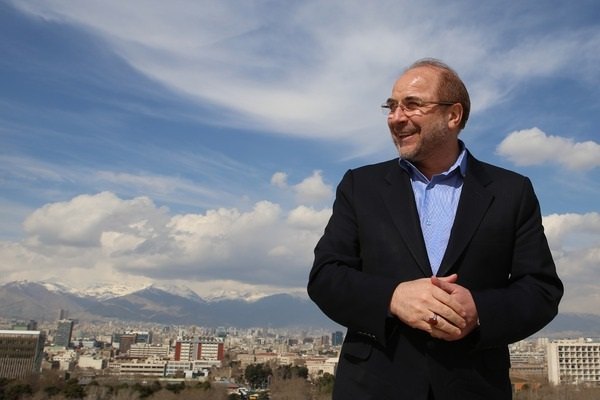
The vote was lopsided: 235 for Mohammad Bagher Ghalibaf, 29 for hardliner Mohammad Taghi Naghdi Ali, 7 for legislator Othman Salari, and five blank ballots. The Isna news agency reported the count after Iran’s parliament re-elected Ghalibaf as its speaker on Monday.
It is his seventh consecutive year in the job.
The result carried a message from the floor too. “The number of ‘noisy radicals’ in parliament has been determined: only 29 people,” the reformist-leaning Entekhab newspaper wrote on X.
A sensitive moment
The ballot came as indirect talks between Tehran and Washington gain momentum and divisions over foreign policy sharpen. Ghalibaf, a former commander of the Islamic Revolutionary Guard Corps and mayor of Tehran, has become a key figure since the regional war began on February 28. He has taken a lead role in the indirect negotiations with the U.S. and was named Iran’s special envoy to China.
His profile rose after he led Iran’s delegation in direct talks with the U.S. in Islamabad on April 11 and 12. It was a rare face-to-face meeting meant to steady a fragile ceasefire. It followed the deaths of several senior officials with decades of experience in U.S.-Israeli strikes during the war, leaving him among the most senior figures who bridge parliament and the security networks.
Hardline judiciary chief Gholamhossein Mohseni Ejei congratulated him on X, calling him a “tireless and battle-hardened jihadist leader” who had “truly and fairly waged jihad both in the field and in diplomacy” during last year’s 12-day war with Israel and this year’s conflict.
Pressure before the ballot
Not everyone wanted this outcome. The Ilna news agency reported coordinated pressure campaigns against Ghalibaf before the vote, including messaging aimed at politicians. It quoted MP Rouhollah Lak Aliabadi as saying rivals were trying to cast support for talks with the U.S. as political deviation, even though diplomacy falls under the authority of supreme leader Ayatollah Mojtaba Khamenei.
Ghalibaf is seen as favoring a more pragmatic approach to outside pressure, with Iran under growing strain from sanctions and regional escalation. Hardliners close to the IRGC remain skeptical of any deal. They point to unresolved disputes over sanctions relief, limits on uranium enrichment and the Strait of Hormuz.
U.S. President Donald Trump has been cautiously optimistic about an agreement with Tehran, and American officials say progress has been made on the broad outline of a deal.




