
For 444 days, 52 Americans sat in captivity in Tehran. That hostage crisis, which began in November 1979 when Iranian students stormed the US Embassy, is one chapter in a rivalry that has run for more than seven decades without ever becoming a declared war.
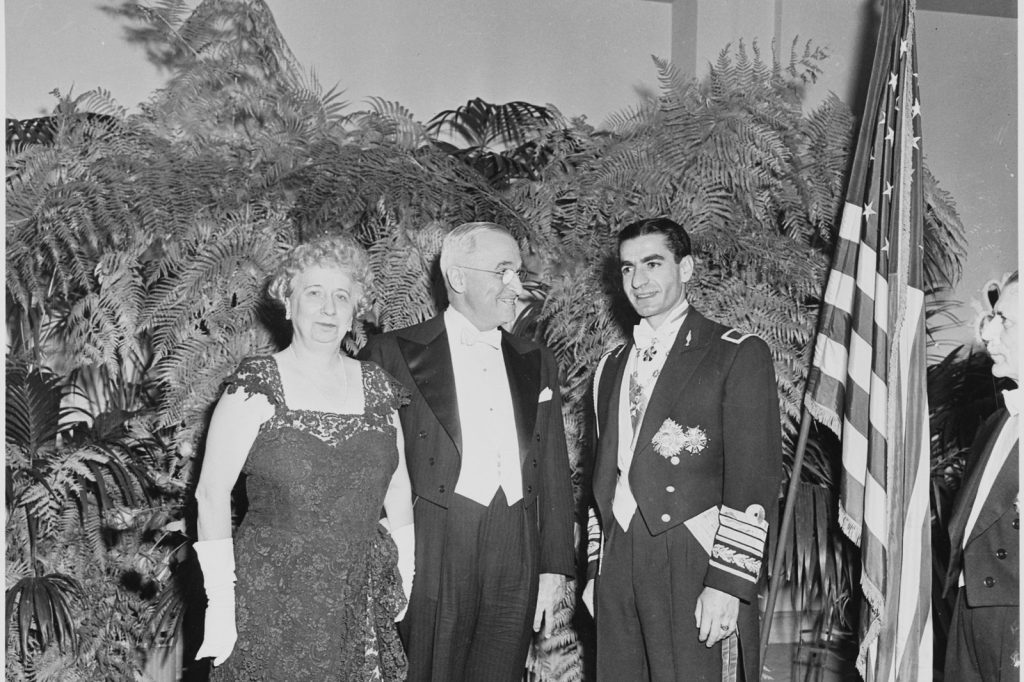
Many Iranians date the trouble to 1953. Prime Minister Mohammad Mossadegh, democratically elected, had nationalized the country’s oil industry. Britain and the United States worried about losing influence, and about the Soviet Union filling any gap. The CIA and MI6 organized Operation Ajax, which pushed Mossadegh out and restored the authority of Shah Mohammad Reza Pahlavi. For many Iranians, the coup came to stand for foreign meddling in their country’s affairs.
Afterward the United States became Iran’s closest Western ally. The Shah rolled out modernization programs known as the White Revolution, but opposition at home kept growing. In February 1979 Ayatollah Ruhollah Khomeini came back from exile and led the Islamic Revolution. The monarchy fell. Washington lost one of its strongest friends in the Middle East almost overnight.
Then came the embassy seizure. The US froze Iranian assets and imposed sanctions that still form the base of many restrictions today. The two governments have never restored diplomatic relations.
War, a downed airliner and the nuclear dispute
Soon after the revolution, Iraq invaded Iran. The United States said it was neutral, yet it gradually gave Iraq intelligence and strategic help, and Iran accused Washington of indirectly aiding Saddam Hussein. The eight-year war killed hundreds of thousands of people.
In July 1988 a US Navy missile cruiser shot down Iran Air Flight 655 over the Persian Gulf. Washington said the crew had mistaken the civilian jet for a military target. Tehran called it a deliberate attack.
Sanctions widened through the 1990s, reaching Iran’s energy and financial sectors. Iran called them economic warfare. When nuclear facilities that had not been declared became public, the United States accused Iran of secretly chasing nuclear weapons, and Iran insisted its program served only peaceful energy needs.
After years of talks, Iran and six world powers signed the Joint Comprehensive Plan of Action. Supporters saw a diplomatic breakthrough, with international inspectors getting wider access and Iran getting back into global markets. Critics said it did not permanently stop Iran from building a bomb.
From Maximum Pressure to the present
In 2018, President Donald Trump took the United States out of the deal and restored severe sanctions under a “Maximum Pressure” campaign. Iran slowly cut back its compliance and expanded uranium enrichment. In 2019, attacks on oil tankers and Saudi oil facilities raised tension across the Gulf, and the US blamed Iran for several of them.
In January 2020, a US drone strike near Baghdad International Airport killed General Qasem Soleimani, who commanded the Quds Force of the Islamic Revolutionary Guard Corps. Iran called it state terrorism. Days later it fired ballistic missiles at US bases in Iraq. The two countries came close to open war.
Efforts to revive the nuclear agreement from 2021 to 2024 kept stalling, and Iran-backed armed groups stepped up attacks on US interests. During 2025, military exchanges involving Iran, Israel and the United States stirred fears of a wider regional conflict, with missile attacks and naval deployments growing more frequent.
By 2026, the standoff over Iran’s nuclear activities and extra naval activity in the Persian Gulf kept the two countries among the world’s most serious flashpoints, with concern about disruption to global energy supplies. Neither side has fought a full-scale war against the other. The risk of miscalculation, analysts of the relationship say, remains high.




