
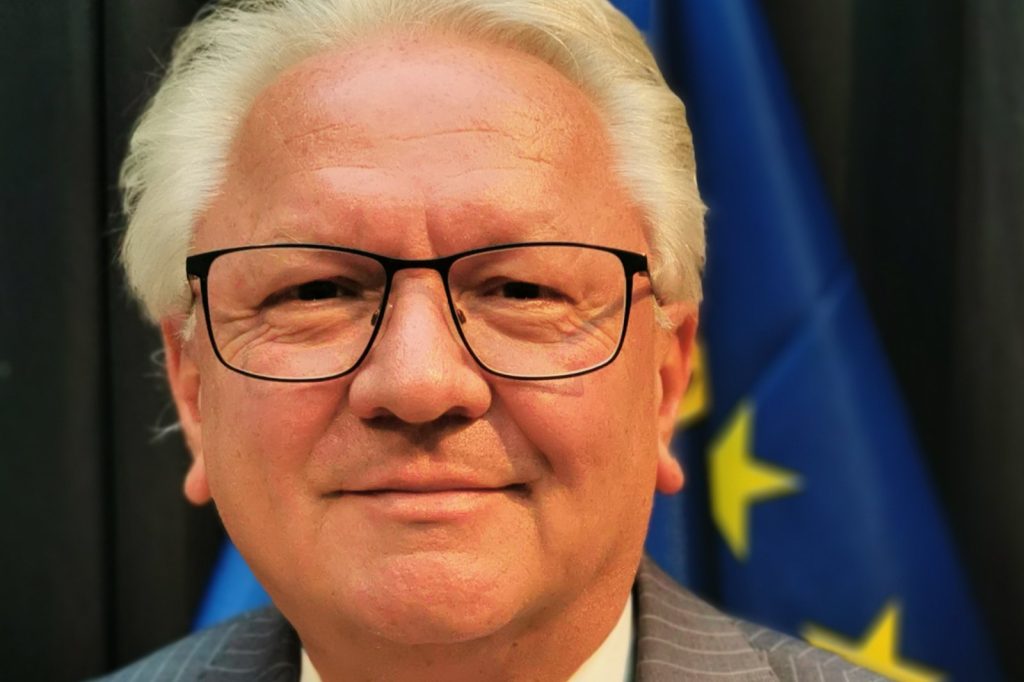
BERLIN, August 5 — German authorities announced on April 30, 2024, the disruption of a significant Russian intelligence operation aimed at assassinating Armin Papperger, the CEO of Rheinmetall, a key German defense contractor. This revelation sent a clear signal through the heart of Europe regarding the intensifying shadow war amidst the continent’s ongoing conflicts.
Rheinmetall, a venerable institution founded in 1889 and headquartered in Düsseldorf, has long been a pillar of German industry. Against this backdrop, its current role has become particularly critical, supplying essential military equipment to Ukraine since Russia’s full-scale invasion commenced on February 24, 2022. Papperger, at the helm since 2019, has been a vocal proponent for bolstering European defense production capabilities, a stance that evidently placed him directly in the crosshairs of Moscow’s intelligence apparatus.
The plot itself involved a Russian national, identified as a sleeper agent, who was activated in 2023 and had been actively monitoring Papperger’s movements in both Cologne and Düsseldorf. The intricate operation was unraveled through the collaborative efforts of Germany’s Federal Criminal Police Office (BKA) and the Federal Intelligence Service (BND), with crucial support from allied intelligence agencies, underscoring the interconnectedness of European security.
The Stakes for European Security
This foiled assassination attempt is not an isolated incident. German officials have indicated that the operation formed part of a broader Russian campaign designed to destabilize Western military-industrial support for Ukraine. The wider picture reveals similar plots thwarted in the United Kingdom and Poland between 2023 and 2024, painting a stark portrait of Moscow’s persistent efforts to undermine European resolve.
Rheinmetall’s commitment to Ukraine’s defense is substantial, securing contracts worth over €2 billion in 2023 alone for military support. This includes a notable €1.2 billion agreement for 100 Leopard 1A5 tanks, alongside a separate €400 million deal for ammunition and vital logistics, highlighting the company’s indispensable contribution to the Ukrainian war effort.
Official Repercussions and Denials
In the corridors of power, the German Chancellor, Olaf Scholz, swiftly condemned the act on May 1, 2024, labeling it a ‘blatant violation of international law.’ The Russian Embassy in Berlin, predictably, denied any involvement. The intricate case has since been handed over to the Federal Prosecutor’s Office, which is now investigating under sections 129a, pertaining to the formation of a terrorist organization, and 211, related to murder, of the German Criminal Code.
What is at stake here extends beyond the life of an individual CEO; it concerns the very foundation of European security and the resilience of its industrial base in the face of aggression. As investigations continue, the episode serves as a potent reminder of the complex and often clandestine challenges confronting nations committed to supporting Ukraine and upholding international legal norms. The vigilance of intelligence services remains paramount in safeguarding the continent’s strategic interests.




