
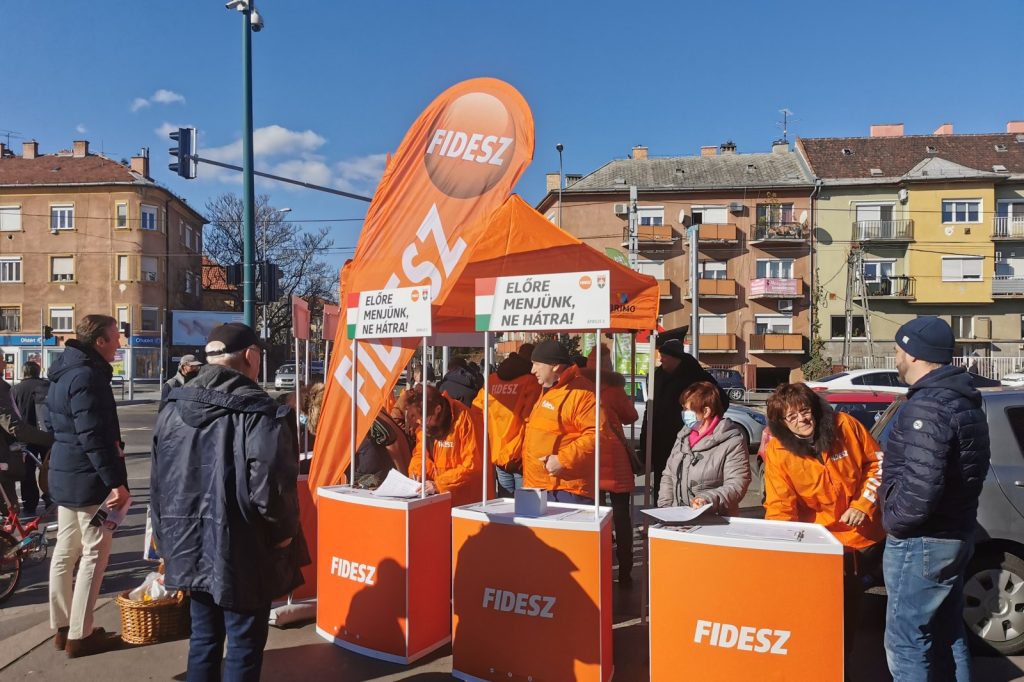
Fidesz-KDNP won Hungary’s European Parliament vote on 9 June 2024 with 45 per cent of the ballots. It was the party’s weakest showing in a European election since Hungary joined the bloc in 2004.
The alliance, led by Prime Minister Viktor Orbán, took 11 of Hungary’s 21 seats. In 2019 it had won 13 seats on 53 per cent of the vote. Turnout reached a record 59 per cent, and for the first time Hungarians voted in European and local elections on the same day. The balance of power in the local contests barely moved compared with five years earlier.
A newcomer takes second
The bigger story was behind the winner. The Respect and Freedom Party, known as TISZA, was formed only two months before the election by Péter Magyar, a former government insider who broke with Fidesz after a child abuse pardon scandal. It finished with nearly 30 per cent of the vote and 7 seats, out of 11 parties and alliances on the ballot.
That made TISZA the leading opposition party at once, and a challenger to Orbán ahead of the 2026 parliamentary elections. In Brussels it means a sizeable Hungarian delegation will sit again in the European People’s Party, the group Fidesz left in 2021. Fidesz, meanwhile, was expected to look for a home on the radical right, in either the ECR or ID.
The old opposition collapses
The left-wing coalition of the Democratic Coalition, the Hungarian Socialist Party and Dialogue fared far worse. In the previous European election the alliance won 22 per cent and 5 seats for the S&D group. This time it received 8 per cent, enough for 2 seats and below all expectations. It now faces the prospect of relegation to minor party status and a fight to clear the 10 per cent threshold.
The FEPS analysis of the result is blunt about why Magyar rose so quickly. A discernible portion of the public wanted someone who could challenge Orbán, so badly that many lined up behind a complete political novice with no track record. Some were disillusioned former Fidesz voters. Most of Magyar’s voters, though, were progressives, drawn to a man who openly said he was ideologically close to what Fidesz claims to be.
Campaigning on war
Orbán ran a highly Eurosceptic campaign and framed the election as a choice over whether Russia’s war in Ukraine would engulf Europe. He leaned on fears that the war could escalate to involve Hungary directly if his opponents won. It mobilised his existing base. The result also suggests the fear of war works far less well as a campaign weapon than it did two years earlier.
Orbán’s two-year run as the top target of the opposition ended differently from what the 2024 result suggested. At the parliamentary election on 12 April 2026, Tisza under Magyar won 141 of the 199 seats, a two-thirds supermajority, and the 16-year Orbán era ended.
Sources
- 🇭🇺 Hungary: Fidesz wins amid the rise of new opposition challenger – Foundation for European Progressive Studies
- 2026 Hungarian parliamentary election




