
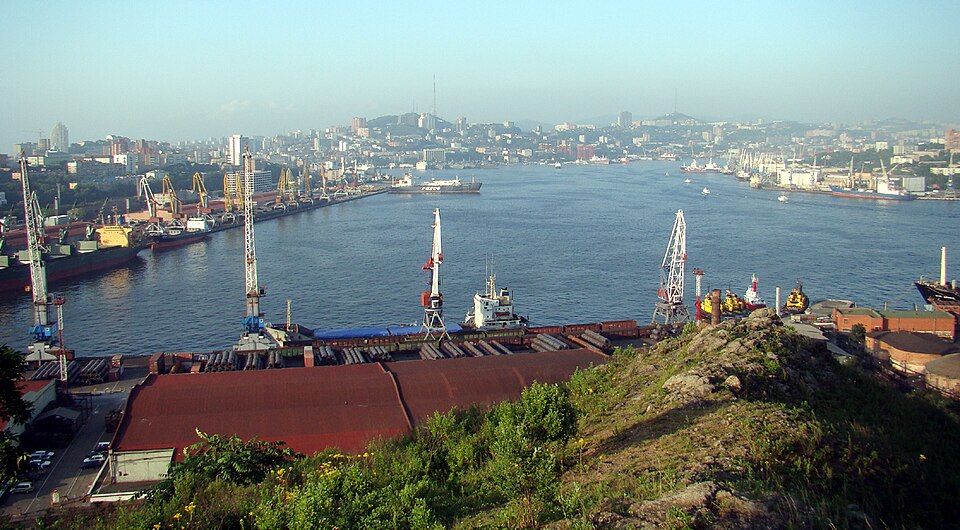
Vladivostok sits more than 6,000 kilometers (3,700 miles) and seven time zones east of Moscow, closer to China and the Korean Peninsula than to the Russian capital. This week it hosts delegations from 80 countries at the Eastern Economic Forum, running Tuesday through Friday.
The forum has met every year since 2015 with one job: pull investment into the Russian Far East and build economic ties with Asia-Pacific countries. The region covers roughly 40 percent of Russia’s territory and has fewer than 8 million people. Developing it has long been hard for Moscow. Since the start of the Ukraine conflict in 2022, with many Western economic relationships curtailed, it has also become the route toward China, India, Southeast Asia and other non-Western markets.
Who is coming
Anadolu’s reading of the guest list is that Moscow is looking south and east. Indonesian President Prabowo Subianto is the main foreign guest and will join Russian President Vladimir Putin at the plenary session. Myanmar Vice President Nyo Saw is also due, which puts two Southeast Asian leaders on the program. In each of the last two years there was one: Malaysia in 2024, Laos in 2025.
China is sending Vice Premier Ding Xuexiang. Mongolia’s prime minister attends for a second year running.
Putin arrives Wednesday, straight from the Shanghai Cooperation Organization summit in Kyrgyzstan, where he is due to meet Xi Jinping and Narendra Modi. In Vladivostok he is expected to hold bilateral meetings, speak at the plenary and chair a launch of operations at several newly built enterprises.
Some guests come from countries whose ties with Russia have soured. Anton Kobyakov, an adviser to the president and executive secretary of the organizing committee, told Russian media that Japan will send a delegation and that some “European businesspeople and companies” have shown interest. South Korea’s ambassador to Russia, Lee Sok-bae, plans to attend. Seoul’s Unification Ministry said Monday that it would not take part, and that it had no information indicating North Korean leader Kim Jong-un would come, despite speculation about a Putin meeting.
The money and the agenda
Organizers expect 380 agreements to be signed, worth around 6.5 trillion rubles ($75 billion). The announced figure is an expectation, not a result.
Transport and logistics are at the center, because of the distances involved in moving goods inside the region and between Russia and Asian markets. Talks are expected to cover new corridors and infrastructure. Energy and natural resources, among them oil, natural gas, coal, timber, minerals and fisheries, will feature too, along with digitalization and artificial intelligence.
The motto is “The Far East: Development for the Benefit of People,” and the agenda includes human capital, tourism, culture and the creative economy. Putin said he hoped participants’ proposals would make Far Eastern cities and towns “more comfortable and modern.”




