
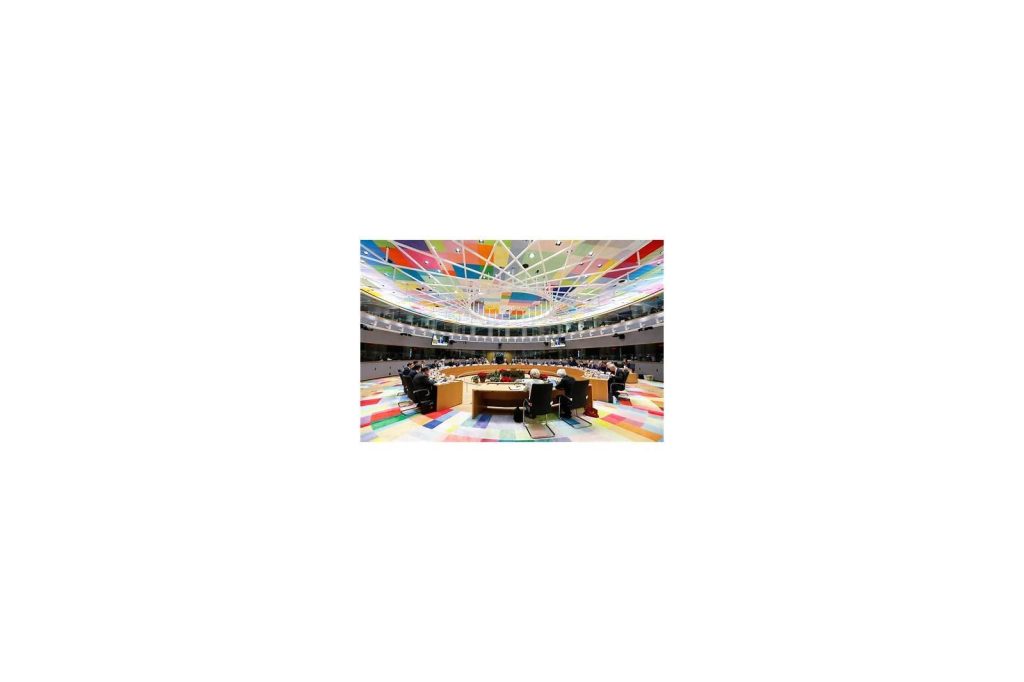
In Rovaniemi, in Finnish Lapland, European leaders spent a day arguing that the Union needs ships that can break ice.
Finland’s Prime Minister Petteri Orpo pressed for joint icebreaker capacity, more investment in northern infrastructure and a coordinated answer to Russian pressure. German Chancellor Friedrich Merz backed him. Europe needs more such vessels, Merz said, and Finland has Germany’s support to advance the idea together. Icebreakers, he added, are “not only a Finnish or Nordic concern” but a wider European requirement, in the Helsinki Times account.
Leaders from Germany, Denmark, Estonia, Latvia, Lithuania and Romania attended, along with several EU institutions. Against this backdrop of an updated EU Arctic strategy in preparation, the meeting was meant to shape it.
Ships, rules and shipyards
EU foreign policy chief Kaja Kallas said support for more icebreakers was broad. She stressed, however, that EU procurement rules still apply and contracts would go to the strongest bid. Finland has said it wants to build and host any EU-funded vessels, work its shipyards have long specialised in.
Leaders also called for investment in military mobility, cross-border transport links and satellite infrastructure. The joint statement said Russia’s efforts to expand its influence in the Arctic, together with hostile activity against Europe, have raised the need for a stronger EU policy in the region.
The wider picture is a changing map. Melting ice is opening new routes and access to raw materials, and that has drawn more attention from Russia, China, the United States and European countries.
Drones, Greenland and Ukraine
The summit came a day after a Russian drone struck a train near the Polish border in Ukraine. Several leaders called it part of a broader effort to intimidate Europe, and Kallas said the strike was clearly meant as a message to Western countries. Orpo warned that Russia is becoming more aggressive and moving its attacks closer to European borders.
Denmark’s Prime Minister Mette Frederiksen spoke about tensions over Greenland. Talks with the United States continue through a high-level working group, she said, and while it was too early for conclusions she was “quite optimistic” about a peaceful solution. European Council President António Costa said the EU has repeatedly expressed full support for Denmark and pointed to plans for more EU investment in Greenland under the next long-term budget.
Merz used the occasion to repeat Germany’s backing for Ukraine despite political pressure inside Europe. The coming weeks and months would be critical, he said, and he was not prepared to retreat from supporting Kyiv.
The European Commission’s revised Arctic strategy is expected within weeks. The previous one dates from 2021, and Finland wants the new version to weigh defence, transport links, critical infrastructure and economic development more heavily.




