
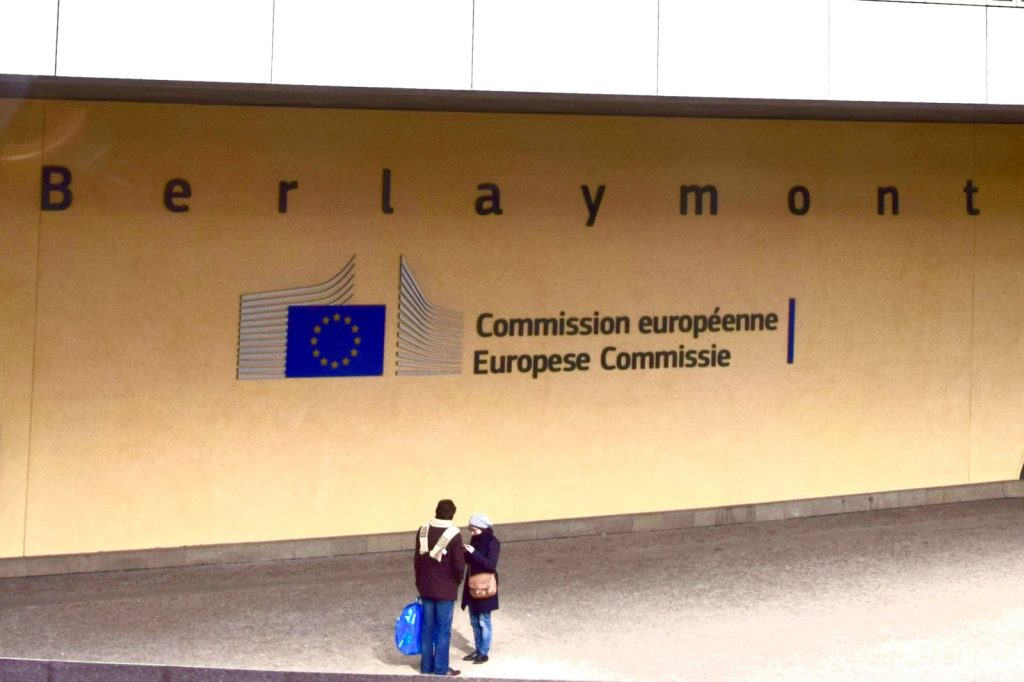
The European Commission put forward its ninth sanctions package against Russia on December 7, 2022, proposing measures that would affect over 200 politicians, military leaders, banks, and defense firms as a response to Moscow’s continued military campaign in Ukraine. The proposed restrictions require unanimous approval from all 27 European Union member states before taking effect.
The sanctions would impose asset freezes and travel bans on officials the EU accuses of directing missile attacks on civilian areas, overseeing the deportation of Ukrainian children, and seizing grain supplies. The commission’s list adds more than 200 names to the existing roster of 1,200 sanctioned individuals, focusing on regional governors, State Duma deputies, ministers, and senior military officers whom Brussels describes as “directly responsible” for recent strikes on Ukraine’s power infrastructure. If approved, the measures would target figures from major pro-Kremlin parties including United Russia, the Liberal Democratic Party, and A Just Russia.
European Commission President Ursula von der Leyen told reporters the package “goes after the enablers of Putin’s war machine, not just the trigger pullers.” She stated the new designations aim to “close loopholes” that have allowed some military-linked officials to travel or hold funds in the EU.
Financial and Export Restrictions
Beyond individual sanctions, Brussels is pushing for a full transaction ban on the Russian Regional Development Bank, one of the last mid-sized lenders still processing euro-denominated payments. This would cut the bank from the SWIFT financial-messaging network and prohibit EU entities from providing accounts, loans, or insurance.
Export controls would also apply to additional chemicals, nerve-agent precursors, advanced electronics, and integrated circuits used in missiles and drones. The commission wants more Russian defense conglomerates added to the procurement embargo list. Von der Leyen said the objective is to “drain the supply chains that rebuild Russian missiles and drones.” EU capitals have previously trimmed similar proposals during closed-door negotiations, wary of legal challenges from European firms with outstanding contracts.
Drone Components and Third-Country Transfers
A separate section targets the flow of drone engines and components Russia has obtained through Iran and other intermediaries. The proposal would ban direct exports to Russia of combustion engines above a specified horsepower threshold used in unmanned aerial vehicles. It would also prohibit EU companies from selling these parts to Iran, Syria, Belarus, or the United Arab Emirates if there is “reasonable suspicion” they will be re-exported to the Russian military.
Western intelligence agencies report that Tehran has already delivered hundreds of Shahed-136 loitering munitions used to strike Ukrainian cities and electrical substations.
Mining, Media, and Energy Curbs
The commission wants EU governments to prohibit new investment in Russia’s mining sector, including equity stakes, joint ventures, and loans for projects extracting gold, diamonds, iron ore, and rare earths. Existing contracts would continue only under strict reporting requirements.
Broadcasting restrictions would expand to cover more Russian state outlets, which EU officials accuse of running disinformation campaigns aimed at eroding support for Ukraine within Europe. EU foreign-policy chief Josep Borrell wrote on Twitter that the Kremlin “chose to weaponise winter after dealing with food and hunger” by destroying civilian energy infrastructure, adding that the ninth package targets those “bringing this atrocious war to Ukraine.”
Internal Divisions and Enforcement Challenges
Several EU governments have signaled they may water down the measures when envoys meet next week. Hungary and Slovakia have repeatedly questioned the economic cost of further sanctions, arguing that high energy prices and inflation hurt their voters more than Russia’s leadership.
Diplomats say the final list of individuals could shrink and the banking ban might be narrowed to a smaller institution. Previous sanctions rounds have cut Russia’s access to roughly half of the EU’s sovereign-wealth fund market and frozen €300 billion in central-bank reserves. However, some sanctioned goods continue reaching Russian buyers through subsidiaries in Kazakhstan, Turkey, and the South Caucasus, highlighting enforcement gaps the commission admits remain “a work in progress.” Von der Leyen urged member states to “stay the course” despite domestic headwinds, warning that any retreat would embolden Moscow to escalate attacks during winter.
The proposals come as Ukraine’s grid operator reports that Russian strikes have damaged roughly 50 percent of the country’s electricity infrastructure, leaving millions without heat or water as temperatures fall below freezing. Kyiv has lobbied for an outright ban on all Russian banks, including Gazprombank, and a complete embargo on nuclear fuel shipments, but EU officials say those steps remain politically out of reach for now.




